
Eleanor Norton (D-DC)
Washington, D.C. Admission Act
A Democratic bill with 209 Democratic cosponsors · See all 209 cosponsors
Last activity — Referred to the Committee on Oversight and Government Reform, and in addition to the Committees on Rules, Armed Services, the Judiciary, and Energy and Commerce, for a period to be subsequently determined by the Speaker, in each case for consideration of such provisions as fall within the jurisdiction of the committee concerned.
In committee
Introduced and handed to a committee in the chamber it started in.
The committee holds it, and most bills are never heard from again. A hearing or a committee vote would be news; silence is the usual outcome, and it kills the bill without anyone voting against it.
Its path through Congress
- Introduced
- In Committee
What this bill would do
This bill, known as the "Washington, D.C. Admission Act," provides for the admission of the State of Washington, Douglass Commonwealth, into the Union. It establishes procedures for electing two Senators and one Representative to Congress. The act defines the boundaries of a remaining "Capital" area that will serve as the seat of the United States government. It also outlines the transition of various federal benefits, agency functions, and legal responsibilities to the new state. Additionally, the bill creates a Statehood Transition Commission to advise on an orderly transition.
Yes· 3 of 18
- Scored +8
Does this leave more decisions to the states?
The bill establishes a framework to transition the District of Columbia into a state with sovereign powers.
- Scored +7
Does this protect the right to vote?
The bill grants the residents of the new state full voting representation in Congress through the election of two Senators and one Representative.
- Scored +6
Would people in cities be better off under this?
The bill focuses on the political reorganization and empowerment of the urban population in the District of Columbia.
The opposite
- Scored -3
Does this give the federal government more power?
The transition involves shifting administrative and jurisdictional authority from the federal government to a new state entity.
Who it would affect, and how
Potential Positive Impacts for People
-
Representation in Congress: The bill provides for the election of 2 Senators and one Representative, giving the residents of the new state a voice in Congress (Section 102).
-
Voting Rights in Federal Elections: It requires states to permit "absent Capital voters" to use absentee registration and voting procedures for Federal offices in the state where they were last domiciled (Section 221).
-
Continuity of Benefits: Individuals currently entitled to Federal benefit payments under the District of Columbia Retirement Protection Act of 1997 will continue to receive them (Section 301).
-
Maintenance of Legal Services: The bill ensures the continuation of operations for the Public Defender Service and the Court Services and Offender Supervision Agency (Sections 311 and 315).
-
Tuition Assistance: The bill maintains the application of the College Access Act and the Scholarships for Opportunity and Results Act for the state's institutions of higher education (Sections 321 and 322).
Potential Negative Impacts for People
-
Loss of Municipal Status for the Capital: The legal status of the "Capital" as a municipal corporation will be terminated (Section 116).
-
Changes to Federal Court Jurisdictions: The bill implements various changes to the naming and residency requirements of Federal courts and judicial districts (Section 211 and 212).
-
Termination of Certain Legal Authorities: Various existing legal authorities, such as the role of the United States Parole Commission or the requirement for the Public Defender Service, are set to terminate once the State provides specific certifications (Sections 311, 315).
-
Potential Revenue Reductions: The state must certify that it has sufficient revenue to cover potential reductions resulting from the termination of certain Medicaid assistance provisions (Section 323).
Groups and Interests Ranking
Every group the model scored this bill for, from -10 to +10. Tap or hover a score for the reason it gave.
- Demographic And Interest Groups
- Would people in cities be better off under this? — The bill focuses on the political reorganization and empowerment of the urban population in the District of Columbia. Would Black Americans be better off under this? — Statehood provides full political representation to the residents of the District of Columbia, a majority-Black jurisdiction. Would people over 65 be better off under this? — The bill ensures the continuation of federal benefit payments under the District of Columbia Retirement Protection Act. Would students be better off under this? — The bill preserves access to various tuition assistance and scholarship programs. Would business owners be better off under this? — Statehood may allow for more localized control over business regulations and tax policy. Would households on low incomes be better off under this? — Statehood can lead to more local control over social programs and economic development through continued Medicaid assistance. Would middle-income households be better off under this? — The bill provides for the continuation of various federal civil service and retirement benefits while providing full democratic representation. Would veterans be better off under this, taking everything together? — The bill maintains various federal service and benefit obligations.
- Social Issues And Justice
- Does this protect the right to vote? — The bill grants the residents of the new state full voting representation in Congress through the election of two Senators and one Representative. Does this change how police departments operate? — The bill adjusts the enforcement authority of federal police forces within the new state. Does this strengthen Social Security? — The bill ensures the continuation of federal benefit payments for specific retirement programs.
- Governance And Ideology
- Does this leave more decisions to the states? — The bill establishes a framework to transition the District of Columbia into a state with sovereign powers. Does this make what the government does easier for the public to see? — The creation of a formal Statehood Transition Commission establishes a structured process for governance changes. Does this give the federal government more power? — The transition involves shifting administrative and jurisdictional authority from the federal government to a new state entity.
- Economy And Finance
- Is this likely to grow the economy? — The establishment of a statehood transition commission aims to facilitate the political transition of the District of Columbia into a state. Does this make the government pay for what it commits to? — The bill provides procedures for the transition of financial obligations from the District to the new State. Does this cut taxes for small businesses? — The bill includes limitations on the state's authority to tax federal property.
- Education And Technology
- Does this make college cost less? — The bill maintains the application of the College Access Act and the Scholarships for Opportunity and Results Act for the state's institutions.
- Healthcare
- Does this put more money into Medicaid, the health coverage for people on low incomes? — The bill ensures the continuation of the existing Medicaid federal medical assistance percentage for the new state.
- 10/9/2026
- 1 Cosponsor added.
- 7/27/2026
- 1 Cosponsor added.
- 5/7/2026
- 1 Cosponsor added.
- 3/12/2026
- 1 Cosponsor added.
- 1/12/2026
- 1 Cosponsor added.
- 10/24/2025
- 1 Cosponsor added.
- 9/17/2025
- 2 Cosponsors added.
- 9/16/2025
- 1 Cosponsor added.
- 9/4/2025
- 1 Cosponsor added.
- 9/3/2025
- 1 Cosponsor added.
- 8/22/2025
- 1 Cosponsor added.
- 8/15/2025
- 1 Cosponsor added.
- 7/29/2025
- 1 Cosponsor added.
- 7/21/2025
- 2 Cosponsors added.
- 6/25/2025
- 1 Cosponsor added.
- 6/24/2025
- 1 Cosponsor added.
- 6/2/2025
- 1 Cosponsor added.
- 4/24/2025
- 1 Cosponsor added.
- 4/3/2025
- 1 Cosponsor added.
- 3/21/2025
- 1 Cosponsor added.
- 3/18/2025
- 1 Cosponsor added.
- 3/14/2025
- 2 Cosponsors added.
- 3/11/2025
- 1 Cosponsor added.
- 3/10/2025
- 4 Cosponsors added.
- 3/3/2025
- 1 Cosponsor added.
- 2/12/2025
- 1 Cosponsor added.
- 2/10/2025
- 1 Cosponsor added.
- 2/5/2025
- 1 Cosponsor added.
- 2/4/2025
- 2 Cosponsors added.
- 1/31/2025
- 6 Cosponsors added.
- 1/28/2025
- 1 Cosponsor added.
- 1/22/2025
- 1 Cosponsor added.
- 1/15/2025
- 4 Cosponsors added.
- 1/9/2025
- 1 Cosponsor added.
- 1/6/2025
- 1 Cosponsor added.
- 1/3/2025
- Sponsor introductory remarks on measure. (CR E1-2)
- Referred to the Committee on Oversight and Government Reform, and in addition to the Committees on Rules, Armed Services, the Judiciary, and Energy and Commerce, for a period to be subsequently determined by the Speaker, in each case for consideration of such provisions as fall within the jurisdiction of the committee concerned.
- 159 Cosponsors added.
- Introduced in House
One bill Congress.gov lists as related to this one — companions in the other chamber, earlier versions, and bills this one absorbed or was folded into.
 Jake Auchincloss
Democrat · Massachusetts
 Alma Adams
Democrat · North Carolina
 Pete Aguilar
Democrat · California
 Gabe Amo
Democrat · Rhode Island
 Yassamin Ansari
Democrat · Arizona
 Sanford Bishop
Democrat · Georgia
 Suzanne Bonamici
Democrat · Oregon
 Joyce Beatty
Democrat · Ohio
 Julia Brownley
Democrat · California
 Ami Bera
Democrat · California
 Donald Beyer
Democrat · Virginia
 Brendan Boyle
Democrat · Pennsylvania
 Nanette Barragán
Democrat · California
 Shontel Brown
Democrat · Ohio
 Nikki Budzinski
Democrat · Illinois
 Becca Balint
Democrat · Vermont
 Wesley Bell
Democrat · Missouri
 Janelle Bynum
Democrat · Oregon
 Everton Blair
Democrat · Georgia
 James Clyburn
Democrat · South Carolina
 Ed Case
Democrat · Hawaii
 Jim Costa
Democrat · California
 Emanuel Cleaver
Democrat · Missouri
 Kathy Castor
Democrat · Florida
 Yvette Clarke
Democrat · New York
 Steve Cohen
Democrat · Tennessee
 Joe Courtney
Democrat · Connecticut
 André Carson
Democrat · Indiana
 Gerald Connolly
Democrat · Virginia
 Judy Chu
Democrat · California
 Joaquin Castro
Democrat · Texas
 Katherine Clark
Democrat · Massachusetts
 J. Correa
Democrat · California
 Salud Carbajal
Democrat · California
 Sean Casten
Democrat · Illinois
 Angie Craig
Democrat · Minnesota
 Jason Crow
Democrat · Colorado
 Gilbert Cisneros
Democrat · California
 Troy Carter
Democrat · Louisiana
 Sheila Cherfilus-McCormick
Democrat · Florida
 Jasmine Crockett
Democrat · Texas
 Greg Casar
Democrat · Texas
 Herbert Conaway
Democrat · New Jersey
 Danny Davis
Democrat · Illinois
 Diana DeGette
Democrat · Colorado
 Rosa DeLauro
Democrat · Connecticut
 Lloyd Doggett
Democrat · Texas
 Christopher Deluzio
Democrat · Pennsylvania
 Suzan DelBene
Democrat · Washington
 Mark DeSaulnier
Democrat · California
 Debbie Dingell
Democrat · Michigan
 Sharice Davids
Democrat · Kansas
 Madeleine Dean
Democrat · Pennsylvania
 Maxine Dexter
Democrat · Oregon
 Dwight Evans
Democrat · Pennsylvania
 Adriano Espaillat
Democrat · New York
 Veronica Escobar
Democrat · Texas
 Sarah Elfreth
Democrat · Maryland
 Cleo Fields
Democrat · Louisiana
 Bill Foster
Democrat · Illinois
 Lois Frankel
Democrat · Florida
 Lizzie Fletcher
Democrat · Texas
 Maxwell Frost
Democrat · Florida
 Valerie Foushee
Democrat · North Carolina
 Shomari Figures
Democrat · Alabama
 Laura Friedman
Democrat · California
 Raúl Grijalva
Democrat · Arizona
 Al Green
Democrat · Texas
 John Garamendi
Democrat · California
 Josh Gottheimer
Democrat · New Jersey
 Jimmy Gomez
Democrat · California
 Jesús García
Democrat · Illinois
 Sylvia Garcia
Democrat · Texas
 Robert Garcia
Democrat · California
 Daniel Goldman
Democrat · New York
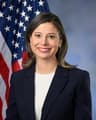 Maggie Goodlander
Democrat · New Hampshire
 Adelita Grijalva
Democrat · Arizona
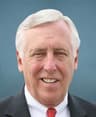 Steny Hoyer
Democrat · Maryland
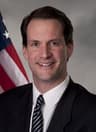 James Himes
Democrat · Connecticut
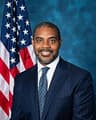 Steven Horsford
Democrat · Nevada
 Jared Huffman
Democrat · California
 Jahana Hayes
Democrat · Connecticut
 Chrissy Houlahan
Democrat · Pennsylvania
 Val Hoyle
Democrat · Oregon
 Pablo Hernández
Democrat · Puerto Rico
 Glenn Ivey
Democrat · Maryland
 Henry Johnson
Democrat · Georgia
 Hakeem Jeffries
Democrat · New York
 Pramila Jayapal
Democrat · Washington
 Sara Jacobs
Democrat · California
 Jonathan Jackson
Democrat · Illinois
 Julie Johnson
Democrat · Texas
 William Keating
Democrat · Massachusetts
 Robin Kelly
Democrat · Illinois
 Ro Khanna
Democrat · California
 Raja Krishnamoorthi
Democrat · Illinois
 Sydney Kamlager-Dove
Democrat · California
 Timothy Kennedy
Democrat · New York
 Teresa Leger Fernandez
Democrat · New Mexico
 Zoe Lofgren
Democrat · California
 John Larson
Democrat · Connecticut
 Rick Larsen
Democrat · Washington
 Stephen Lynch
Democrat · Massachusetts
 Ted Lieu
Democrat · California
 Mike Levin
Democrat · California
 Greg Landsman
Democrat · Ohio
 Summer Lee
Democrat · Pennsylvania
 George Latimer
Democrat · New York
 Sam Liccardo
Democrat · California
 James McGovern
Democrat · Massachusetts
 Kweisi Mfume
Democrat · Maryland
 Gregory Meeks
Democrat · New York
 Betty McCollum
Democrat · Minnesota
 Gwen Moore
Democrat · Wisconsin
 Doris Matsui
Democrat · California
 Grace Meng
Democrat · New York
 Seth Moulton
Democrat · Massachusetts
 Joseph Morelle
Democrat · New York
 Lucy McBath
Democrat · Georgia
 Frank Mrvan
Democrat · Indiana
 Jared Moskowitz
Democrat · Florida
 Morgan McGarvey
Democrat · Kentucky
 Seth Magaziner
Democrat · Rhode Island
 Kevin Mullin
Democrat · California
 Robert Menendez
Democrat · New Jersey
 Jennifer McClellan
Democrat · Virginia
 LaMonica McIver
Democrat · New Jersey
 John Mannion
Democrat · New York
 April McClain Delaney
Democrat · Maryland
 Kelly Morrison
Democrat · Minnesota
 Sarah McBride
Democrat · Delaware
 Dave Min
Democrat · California
 Christian Menefee
Democrat · Texas
 Analilia Mejia
Democrat · New Jersey
 Jerrold Nadler
Democrat · New York
 Richard Neal
Democrat · Massachusetts
 Donald Norcross
Democrat · New Jersey
 Joe Neguse
Democrat · Colorado
 Alexandria Ocasio-Cortez
Democrat · New York
 Ilhan Omar
Democrat · Minnesota
 Johnny Olszewski
Democrat · Maryland
 Frank Pallone
Democrat · New Jersey
 Nancy Pelosi
Democrat · California
 Chellie Pingree
Democrat · Maine
 Mark Pocan
Democrat · Wisconsin
 Scott Peters
Democrat · California
 Stacey Plaskett
Democrat · Virgin Islands
 Jimmy Panetta
Democrat · California
 Ayanna Pressley
Democrat · Massachusetts
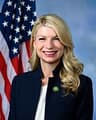 Brittany Pettersen
Democrat · Colorado
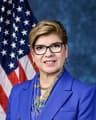 Nellie Pou
Democrat · New Jersey
 Mike Quigley
Democrat · Illinois
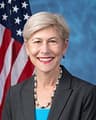 Deborah Ross
Democrat · North Carolina
 Patrick Ryan
Democrat · New York
 Raul Ruiz
Democrat · California
 Jamie Raskin
Democrat · Maryland
 Delia Ramirez
Democrat · Illinois
 Luz Rivas
Democrat · California
 Emily Randall
Democrat · Washington
 Josh Riley
Democrat · New York
 Robert Scott
Democrat · Virginia
 Brad Sherman
Democrat · California
 Adam Smith
Democrat · Washington
 Janice Schakowsky
Democrat · Illinois
 Linda Sánchez
Democrat · California
 David Scott
Democrat · Georgia
 Marilyn Strickland
Democrat · Washington
 Terri Sewell
Democrat · Alabama
 Bradley Schneider
Democrat · Illinois
 Eric Swalwell
Democrat · California
 Darren Soto
Democrat · Florida
 Thomas Suozzi
Democrat · New York
 Mary Gay Scanlon
Democrat · Pennsylvania
 Mikie Sherrill
Democrat · New Jersey
 Greg Stanton
Democrat · Arizona
 Haley Stevens
Democrat · Michigan
 Kim Schrier
Democrat · Washington
 Melanie Stansbury
Democrat · New Mexico
 Hillary Scholten
Democrat · Michigan
 Emilia Sykes
Democrat · Ohio
 Eric Sorensen
Democrat · Illinois
 Andrea Salinas
Democrat · Oregon
 Suhas Subramanyam
Democrat · Virginia
 Lateefah Simon
Democrat · California
 Bennie Thompson
Democrat · Mississippi
 Mike Thompson
Democrat · California
 Dina Titus
Democrat · Nevada
 Paul Tonko
Democrat · New York
 Mark Takano
Democrat · California
 Norma Torres
Democrat · California
 Rashida Tlaib
Democrat · Michigan
 Lori Trahan
Democrat · Massachusetts
 Ritchie Torres
Democrat · New York
 Jill Tokuda
Democrat · Hawaii
 Shri Thanedar
Democrat · Michigan
 Sylvester Turner
Democrat · Texas
 Derek Tran
Democrat · California
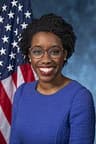 Lauren Underwood
Democrat · Illinois
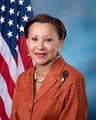 Nydia Velázquez
Democrat · New York
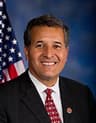 Juan Vargas
Democrat · California
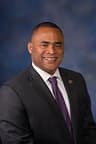 Marc Veasey
Democrat · Texas
 Gabe Vasquez
Democrat · New Mexico
 Eugene Vindman
Democrat · Virginia
 Maxine Waters
Democrat · California
 Nikema Williams
Democrat · Georgia
 Debbie Wasserman Schultz
Democrat · Florida
 Frederica Wilson
Democrat · Florida
 Bonnie Watson Coleman
Democrat · New Jersey
 James Walkinshaw
Democrat · Virginia