
A Democratic bill with 75 Democratic cosponsors · See all 75 cosponsors
Last activity — Referred to the Subcommittee on Conservation, Research, and Biotechnology.
In committee
Introduced and handed to a committee in the chamber it started in.
The committee holds it, and most bills are never heard from again. A hearing or a committee vote would be news; silence is the usual outcome, and it kills the bill without anyone voting against it.
Its path through Congress
- Introduced
- In Committee
What this bill would do
The Marijuana Opportunity Reinvestment and Expungement Act (MORE Act) seeks to decriminalize and deschedule cannabis by removing it from the Controlled Substances Act. It establishes an Opportunity Trust Fund to finance community reinvestment and small business assistance. The bill provides for the expungement of certain non-violent Federal cannabis offense convictions and associated arrests. Additionally, it creates a Cannabis Justice Office to oversee community grant programs. The legislation also implements various taxes on cannabis products and occupational taxes for producers. Finally, it mandates several studies regarding the societal, workplace, and school impacts of cannabis legalization.
Yes· 3 of 18
- Scored +9
Does this shorten or soften prison sentences?
The bill mandates the expungement of non-violent federal cannabis convictions and provides for sentencing reviews for those currently serving sentences.
- Scored +8
Does this narrow racial gaps in how people are treated?
The bill targets racial inequities by expunging cannabis-related convictions and providing targeted reinvestment for communities disproportionately affected by prohibition.
- Scored +7
Would Black Americans be better off under this?
The bill targets the disproportionate impact of cannabis enforcement on Black communities through expungement and reinvestment.
The opposite
No question was scored the opposite.
Who it would affect, and how
Potential Positive Impacts for People
-
Expungement of Criminal Records: The bill directs Federal courts to review and expunge non-sviolent Federal cannabis convictions and associated arrests, allowing individuals to treat these incidents as if they never occurred (Section 10).
-
Community Reinvestment: Through the Cannabis Justice Office, funds will be used for job training, reentry services, legal aid, literacy programs, youth mentoring, and health education (Section 6).
-
Support for Small Businesses: The Small Business Administration will establish the Cannabis Restorative Opportunity Program to provide loans and technical assistance to socially and economically disadvantaged individuals (Section 6).
-
Equitable Licensing Access: The Equitable Licensing Grant Program helps states minimize barriers to cannabis licensing and employment for those adversely impacted by the War on Drugs (Section 6).
-
Protection of Federal Benefits: The bill ensures that no person is denied any Federal public benefit based on the use, possession, or conviction related to cannabis (Section 8).
-
Immigration Protections: The act specifies that cannabis may not be considered a controlled substance for immigration law purposes, protecting individuals from being denied benefits or protection due to cannabis-related conduct (Section 9).
-
Security Clearance Protections: Federal agencies are prohibited from using past or present cannabis use as a basis for granting, denying, or rescinding security clearances (Section 8).
Potential Negative Impacts for People
-
Imposition of New Taxes: The bill imposes a tax on all cannabis products produced in or imported into the United States, with rates starting at 5 percent (Section 5).
-
Occupational Taxes: Producers and export warehouse proprietors are required to pay an annual occupational tax of $1,000 per business location (Section 5).
-
Penalties for Non-Compliance: Individuals may face significant fines or imprisonment for failing to register or pay required occupational taxes or for violating various regulations (Section 5).
-
Restrictions on Business Operations: Cannabis production is restricted to authorized, bonded production facilities (Section 5).
Groups and Interests Ranking
Every group the model scored this bill for, from -10 to +10. Tap or hover a score for the reason it gave.
- Demographic And Interest Groups
- Would Black Americans be better off under this? — The bill targets the disproportionate impact of cannabis enforcement on Black communities through expungement and reinvestment. Would Hispanic Americans be better off under this? — The bill aims to remedy historical inequities and sentencing disparities that have disproportionately affected Hispanic populations. Would immigrants be better off under this? — The bill prevents cannabis-related conduct from being used as a basis for denial of benefits or protections under immigration laws. Would business owners be better off under this? — The bill increases access to capital and support services for cannabis-related small businesses. Would households on low incomes be better off under this? — The bill provides legal aid, job training, and financial assistance to individuals living below the federal poverty level. Would people in their twenties and thirties be better off under this? — The bill provides for youth recreation and mentoring programs through the Community Reinvestment Grant Program. Would veterans be better off under this, taking everything together? — The bill includes provisions for substance use disorder services that may assist veterans affected by the War on Drugs.
- Social Issues And Justice
- Does this shorten or soften prison sentences? — The bill mandates the expungement of non-violent federal cannabis convictions and provides for sentencing reviews for those currently serving sentences. Does this narrow racial gaps in how people are treated? — The bill targets racial inequities by expunging cannabis-related convictions and providing targeted reinvestment for communities disproportionately affected by prohibition. Does this make it easier for immigrants already here to become citizens? — The bill ensures that cannabis cannot be used as a basis for denying benefits or protections under immigration laws. Is this likely to lift people out of poverty? — The bill provides job training, legal aid, and small business loans to uplift communities impacted by cannabis-related legal issues.
- Economy And Finance
- Does this make it easier to run a small business? — The bill provides loans, technical assistance, and grants specifically designed to help socially and economically disadvantaged small businesses enter the cannabis market. Is this likely to grow the economy? — The bill establishes a legal, regulated market for cannabis and provides funding for community reinvestment and small business support. Does this raise the taxes companies pay? — The bill imposes a new tax on cannabis products and an annual occupational tax on producers and export warehouse proprietors. Is this likely to create jobs? — The decriminalization and establishment of a legal market is expected to expand employment opportunities in the cannabis industry.
- Governance And Ideology
- Does this make what the government does easier for the public to see? — The bill requires the Bureau of Labor Statistics to regularly compile and make public demographic data regarding the cannabis industry.
- National Security And Foreign Policy
- Does this increase the pay, pensions or support veterans receive? — The bill allows for the provision of services and support specifically to individuals impacted by the War on Drugs, which may include veterans.
- Healthcare
- Does this do more about addiction and overdose deaths? — The bill funds substance use disorder services for individuals adversely impacted by the War on Drugs.
- 11/10/2026
- 1 Cosponsor added.
- 7/13/2026
- 1 Cosponsor added.
- 6/9/2026
- 1 Cosponsor added.
- 6/2/2026
- 1 Cosponsor added.
- 5/12/2026
- 1 Cosponsor added.
- 4/29/2026
- 1 Cosponsor added.
- 4/28/2026
- 5 Cosponsors added.
- 4/23/2026
- 3 Cosponsors added.
- 2/4/2026
- 1 Cosponsor added.
- 1/13/2026
- Referred to the Subcommittee on Forestry and Horticulture.
- Referred to the Subcommittee on Conservation, Research, and Biotechnology.
- 12/16/2025
- 1 Cosponsor added.
- 11/19/2025
- 2 Cosponsors added.
- 10/24/2025
- 1 Cosponsor added.
- 10/14/2025
- 1 Cosponsor added.
- 9/26/2025
- 1 Cosponsor added.
- 9/23/2025
- 1 Cosponsor added.
- 9/15/2025
- 7 Cosponsors added.
- 9/3/2025
- 3 Cosponsors added.
- 9/2/2025
- 3 Cosponsors added.
- 8/29/2025
- Referred to the Committee on the Judiciary, and in addition to the Committees on Energy and Commerce, Agriculture, Education and Workforce, Ways and Means, Small Business, Natural Resources, Oversight and Government Reform, and Transportation and Infrastructure, for a period to be subsequently determined by the Speaker, in each case for consideration of such provisions as fall within the jurisdiction of the committee concerned.
- 40 Cosponsors added.
- Introduced in House
 Yassamin Ansari
Democrat · Arizona
 Suzanne Bonamici
Democrat · Oregon
 Julia Brownley
Democrat · California
 Donald Beyer
Democrat · Virginia
 Brendan Boyle
Democrat · Pennsylvania
 Shontel Brown
Democrat · Ohio
 Nikki Budzinski
Democrat · Illinois
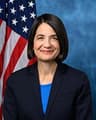 Becca Balint
Democrat · Vermont
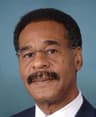 Emanuel Cleaver
Democrat · Missouri
 Kathy Castor
Democrat · Florida
 Steve Cohen
Democrat · Tennessee
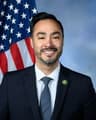 Joaquin Castro
Democrat · Texas
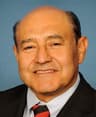 J. Correa
Democrat · California
 Salud Carbajal
Democrat · California
 Jason Crow
Democrat · Colorado
 Troy Carter
Democrat · Louisiana
 Jasmine Crockett
Democrat · Texas
 Greg Casar
Democrat · Texas
 Diana DeGette
Democrat · Colorado
 Lloyd Doggett
Democrat · Texas
 Christopher Deluzio
Democrat · Pennsylvania
 Suzan DelBene
Democrat · Washington
 Dwight Evans
Democrat · Pennsylvania
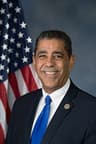 Adriano Espaillat
Democrat · New York
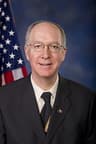 Bill Foster
Democrat · Illinois
 Maxwell Frost
Democrat · Florida
 Jesús García
Democrat · Illinois
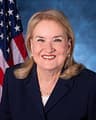 Sylvia Garcia
Democrat · Texas
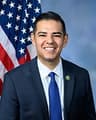 Robert Garcia
Democrat · California
 Adelita Grijalva
Democrat · Arizona
 Jared Huffman
Democrat · California
 Jahana Hayes
Democrat · Connecticut
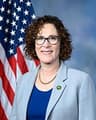 Val Hoyle
Democrat · Oregon
 Henry Johnson
Democrat · Georgia
 Pramila Jayapal
Democrat · Washington
 Julie Johnson
Democrat · Texas
 Robin Kelly
Democrat · Illinois
 Ro Khanna
Democrat · California
 Teresa Leger Fernandez
Democrat · New Mexico
 Ted Lieu
Democrat · California
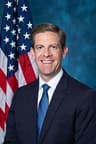 Mike Levin
Democrat · California
 Summer Lee
Democrat · Pennsylvania
 James McGovern
Democrat · Massachusetts
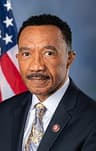 Kweisi Mfume
Democrat · Maryland
 Betty McCollum
Democrat · Minnesota
 Grace Meng
Democrat · New York
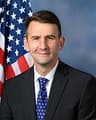 Frank Mrvan
Democrat · Indiana
 Morgan McGarvey
Democrat · Kentucky
 Jennifer McClellan
Democrat · Virginia
 Eleanor Norton
Democrat · District of Columbia
 Ilhan Omar
Democrat · Minnesota
 Chellie Pingree
Democrat · Maine
 Mark Pocan
Democrat · Wisconsin
 Ayanna Pressley
Democrat · Massachusetts
 Jamie Raskin
Democrat · Maryland
 Delia Ramirez
Democrat · Illinois
 Emily Randall
Democrat · Washington
 Brad Sherman
Democrat · California
 Adam Smith
Democrat · Washington
 Janice Schakowsky
Democrat · Illinois
 David Scott
Democrat · Georgia
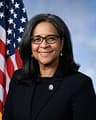 Marilyn Strickland
Democrat · Washington
 Mary Gay Scanlon
Democrat · Pennsylvania
 Melanie Stansbury
Democrat · New Mexico
 Emilia Sykes
Democrat · Ohio
 Lateefah Simon
Democrat · California
 Dina Titus
Democrat · Nevada
 Paul Tonko
Democrat · New York
 Rashida Tlaib
Democrat · Michigan
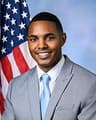 Ritchie Torres
Democrat · New York
 Shri Thanedar
Democrat · Michigan
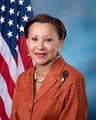 Nydia Velázquez
Democrat · New York
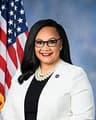 Nikema Williams
Democrat · Georgia
 Frederica Wilson
Democrat · Florida
 Bonnie Watson Coleman
Democrat · New Jersey