
Beth Van Duyne (R-TX)
Preserving Patient Access to Long-Term Care Pharmacies Act
A Republican bill with 14 Democratic cosponsors · See all 46 cosponsors
Last activity — Referred to the Committee on Energy and Commerce, and in addition to the Committee on Ways and Means, for a period to be subsequently determined by the Speaker, in each case for consideration of such provisions as fall within the jurisdiction of the committee concerned.
In committee
Introduced and handed to a committee in the chamber it started in.
The committee holds it, and most bills are never heard from again. A hearing or a committee vote would be news; silence is the usual outcome, and it kills the bill without anyone voting against it.
Its path through Congress
- Introduced
- In Committee
What this bill would do
This bill, known as the Preserving Patient Access to Long-Term Care Pharmacies Act, aims to amend title XVIII of the Social Security Act. It establishes a temporary supply fee for long-term care pharmacies for specific prescriptions during the 2026 and 2027 plan years. Drug plan sponsors or organizations must pay these fees to pharmacies for certain dispensed prescriptions. The Secretary of Health and Human Services will provide subsidies to these plan sponsors to cover the cost of the fees. Additionally, the bill mandates a GAO study to analyze the economic sustainability of long-term care pharmacies in the Medicare program.
Yes· 3 of 7
- Scored +5
Would people over 65 be better off under this?
The bill helps preserve pharmacy access for Medicare beneficiaries who rely on long-term care services.
- Scored +5
Does this make health care easier to get in general?
The bill aims to ensure Medicare beneficiaries with long-term care needs have uninterrupted access to pharmacy services.
- Scored +5
Does this make it easier to run a small business?
The bill provides additional supply fees to long-term care pharmacies to help ensure their economic sustainability.
The opposite
- Scored -3
Does this reduce what the federal government spends?
The bill requires the Secretary to provide subsidies to plan sponsors to cover the aggregate amount of the supply fees.
Who it would affect, and how
Potential Positive Impacts for People
-
Increased revenue for long-term care pharmacies: Under Section 2(a), plan sponsors must pay a supply fee—$30 for the 2026 plan year and an increased amount for 2027—for specified prescriptions. This payment is intended to be in addition to other reimbursements like ingredient costs or dispensing fees.
-
Financial protection through subsidies: According to Section 2(b), the Secretary will provide subsidies to plan sponsors to cover the aggregate amount of these supply fees, ensuring the costs are offset.
-
Future planning for service access: Section 2(c) requires a GAO study to include recommendations on creating a sustainable payment system. The goal of these recommendations is to ensure Medicare beneficiaries with long-term care needs have uninterrupted access to pharmacy services, especially in rural markets.
Potential Negative Impacts for People
- Financial penalties for non-compliance: Under Section 2(a)(ii), the Secretary will impose a civil money penalty of at least $10,000 on any drug plan sponsor or organization that fails to pay the required supply fee for a specified prescription.
Groups and Interests Ranking
Every group the model scored this bill for, from -10 to +10. Tap or hover a score for the reason it gave.
- Demographic And Interest Groups
- Would people over 65 be better off under this? — The bill helps preserve pharmacy access for Medicare beneficiaries who rely on long-term care services. Would people in rural areas be better off under this? — The bill directs a GAO study to include recommendations for ensuring pharmacy service access in rural markets. Would households on low incomes be better off under this? — The bill supports uninterrupted access to prescribed medications for Medicare beneficiaries.
- Healthcare
- Does this make health care easier to get in general? — The bill aims to ensure Medicare beneficiaries with long-term care needs have uninterrupted access to pharmacy services. Does this put more money into Medicare, the health coverage for people over 65? — The bill increases funding for Medicare by providing subsidies to cover supply fees for long-term care pharmacies.
- Governance And Ideology
- Does this make what the government does easier for the public to see? — The bill mandates a GAO study and report to analyze the economic sustainability of long-term care pharmacies.
- Economy And Finance
- Does this make it easier to run a small business? — The bill provides additional supply fees to long-term care pharmacies to help ensure their economic sustainability. Does this reduce what the federal government spends? — The bill requires the Secretary to provide subsidies to plan sponsors to cover the aggregate amount of the supply fees.
- 6/25/2026
- 1 Cosponsor added.
- 6/18/2026
- 1 Cosponsor added.
- 5/12/2026
- 1 Cosponsor added.
- 4/22/2026
- 1 Cosponsor added.
- 3/26/2026
- 2 Cosponsors added.
- 3/12/2026
- 1 Cosponsor added.
- 3/5/2026
- 1 Cosponsor added.
- 1/23/2026
- 3 Cosponsors added.
- 1/8/2026
- 2 Cosponsors added.
- 1/6/2026
- 1 Cosponsor added.
- 12/17/2025
- 1 Cosponsor added.
- 12/10/2025
- 2 Cosponsors added.
- 12/9/2025
- 1 Cosponsor added.
- 12/2/2025
- 3 Cosponsors added.
- 11/20/2025
- 1 Cosponsor added.
- 11/19/2025
- 2 Cosponsors added.
- 11/17/2025
- 1 Cosponsor added.
- 11/12/2025
- 2 Cosponsors added.
- 11/10/2025
- 5 Cosponsors added.
- 11/4/2025
- 1 Cosponsor added.
- 10/28/2025
- 2 Cosponsors added.
- 10/24/2025
- 1 Cosponsor added.
- 10/14/2025
- 1 Cosponsor added.
- 10/3/2025
- 1 Cosponsor added.
- 9/19/2025
- 1 Cosponsor added.
- 9/18/2025
- 1 Cosponsor added.
- 9/11/2025
- 1 Cosponsor added.
- 8/22/2025
- Referred to the Committee on Energy and Commerce, and in addition to the Committee on Ways and Means, for a period to be subsequently determined by the Speaker, in each case for consideration of such provisions as fall within the jurisdiction of the committee concerned.
- 5 Cosponsors added.
- Introduced in House
One bill Congress.gov lists as related to this one — companions in the other chamber, earlier versions, and bills this one absorbed or was folded into.
 Rick Allen
Republican · Georgia
 Stephanie Bice
Republican · Oklahoma
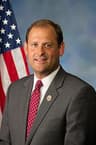 Andy Barr
Republican · Kentucky
 Brian Babin
Republican · Texas
 Aaron Bean
Republican · Florida
 Wesley Bell
Democrat · Missouri
 Earl Carter
Republican · Georgia
 James Comer
Republican · Kentucky
 Donald Davis
Democrat · North Carolina
 Sharice Davids
Democrat · Kansas
 Gabe Evans
Republican · Colorado
 Randy Feenstra
Republican · Iowa
 Brian Fitzpatrick
Republican · Pennsylvania
 Michelle Fischbach
Republican · Minnesota
 Brad Finstad
Republican · Minnesota
 Vicente Gonzalez
Democrat · Texas
 Tony Gonzales
Republican · Texas
 Josh Harder
Democrat · California
 Ashley Hinson
Republican · Iowa
 Brian Jack
Republican · Georgia
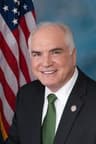 Mike Kelly
Republican · Pennsylvania
 Jennifer Kiggans
Republican · Virginia
 Darin LaHood
Republican · Illinois
 Susie Lee
Democrat · Nevada
 Nick LaLota
Republican · New York
 Greg Landsman
Democrat · Ohio
 Carol Miller
Republican · West Virginia
 Ryan Mackenzie
Republican · Pennsylvania
 John Mannion
Democrat · New York
 John McGuire
Republican · Virginia
 Burgess Owens
Republican · Utah
 Deborah Ross
Democrat · North Carolina
 Harold Rogers
Republican · Kentucky
 Mike Rogers
Republican · Alabama
 Josh Riley
Democrat · New York
 Pete Sessions
Republican · Texas
 Bradley Schneider
Democrat · Illinois
 Pete Stauber
Republican · Minnesota
 W. Steube
Republican · Florida
 Hillary Scholten
Democrat · Michigan
 Claudia Tenney
Republican · New York
 David Taylor
Republican · Ohio
 Derrick Van Orden
Republican · Wisconsin
 Gabe Vasquez
Democrat · New Mexico
 Eugene Vindman
Democrat · Virginia
 Robert Wittman
Republican · Virginia