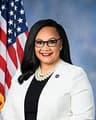
Nikema Williams (D-GA)
Youth Voting Rights Act
A Democratic bill with 47 Democratic cosponsors · See all 47 cosponsors
Last activity — Referred to the Committee on House Administration, and in addition to the Committee on the Judiciary, for a period to be subsequently determined by the Speaker, in each case for consideration of such provisions as fall within the jurisdiction of the committee concerned.
In committee
Introduced and handed to a committee in the chamber it started in.
The committee holds it, and most bills are never heard from again. A hearing or a committee vote would be news; silence is the usual outcome, and it kills the bill without anyone voting against it.
Its path through Congress
- Introduced
- In Committee
What this bill would do
This legislation aims to expand youth access to voting in federal elections across the United States. It allows individuals aged 16 and older to pre-register to vote and treats public higher education offices as voter registration agencies. The bill requires states to provide on-campus polling locations at public universities, subject to specific waiver options. It also prohibits age-based restrictions on voting by mail and ensures student identification cards are accepted as valid voter identification. Finally, the measure creates a grant program to encourage youth civic involvement and establishes federal reporting requirements on voting trends.
Yes· 3 of 10
- Scored +9
Would people in their twenties and thirties be better off under this?
The bill significantly expands voting access for young adults through campus polling and easier identification requirements.
- Scored +9
Would students be better off under this?
The bill provides significant voting advantages for students, including on-campus polling and student ID recognition.
- Scored +9
Does this make casting a ballot easier in practice?
The bill increases accessibility by requiring polling places on higher education campuses and prohibiting residency requirements.
The opposite
- Scored -1
Would people over 65 be better off under this?
The bill focuses resources and new voting mechanisms specifically on the youth demographic.
- Scored -1
Does this make the government pay for what it commits to?
The bill authorizes $26 million in annual grants for youth engagement, increasing federal spending.
Who it would affect, and how
Potential Positive Impacts for People
-
Section 5: Public institutions of higher education will be treated as voter registration agencies under the National Voter Registration Act of 1993. This makes it easier for college students to register to vote directly through student assistance offices on their campuses.
-
Section 6: States must implement a process allowing residents to pre-register to vote starting at 16 years of age so they are automatically registered by the time they turn 18. This helps young people secure their voting status early before they graduate or move.
-
Section 7: States are required to provide on-campus polling places on election day for public institutions of higher education, or offer alternative accessibility procedures like free shuttles or early voting units. This lowers the opportunity costs and travel barriers for young voters living on campus.
-
Section 9: State and local jurisdictions with voter identification requirements must accept student identification cards issued by higher education institutions, provided they contain the minimum identifying information required for other forms of voter ID. This ensures students who lack drivers' licenses can still use their school IDs to vote.
-
Section 10: The Election Commission will establish a Youth Engagement Fund to provide grants to states for activities encouraging youth involvement in elections. This funding supports paid fellowships, civic curriculum updates, and voter registration drives for secondary and postsecondary students.
Potential Negative Impacts for People
- There are no explicit provisions within the provided text that outline negative outcomes, burdens, or consequences for individuals or groups of people in the United States.
Groups and Interests Ranking
Every group the model scored this bill for, from -10 to +10. Tap or hover a score for the reason it gave.
- Demographic And Interest Groups
- Would students be better off under this? — The bill provides significant voting advantages for students, including on-campus polling and student ID recognition. Would people in their twenties and thirties be better off under this? — The bill significantly expands voting access for young adults through campus polling and easier identification requirements. Would children be better off under this? — The bill provides a path for 16 and 17-year-olds to pre-register for future voting. Would households on low incomes be better off under this? — The bill aims to reduce logistical and financial barriers to voting that disproportionately affect low-income youth. Would Black Americans be better off under this? — The bill includes provisions to reduce disparities in access to the electoral process for protected classes. Would Hispanic Americans be better off under this? — The bill aims to address higher ballot rejection rates often seen among Hispanic voters. Would people over 65 be better off under this? — The bill focuses resources and new voting mechanisms specifically on the youth demographic.
- Social Issues And Justice
- Does this make casting a ballot easier in practice? — The bill increases accessibility by requiring polling places on higher education campuses and prohibiting residency requirements. Does this protect the right to vote? — The bill expands voting access through pre-registration for 16-year-olds, on-campus polling, and expanded identification rules.
- Governance And Ideology
- Does this make what the government does easier for the public to see? — The bill mandates new GAO and EAC studies and data collection regarding voter registration and rejection rates.
- Economy And Finance
- Does this make the government pay for what it commits to? — The bill authorizes $26 million in annual grants for youth engagement, increasing federal spending.
- Education And Technology
- Does this reduce what student borrowers owe or repay? — The bill indirectly supports student life by establishing on-campus polling locations and recognizing student IDs.
- 10/1/2026
- 1 Cosponsor added.
- 9/28/2026
- 1 Cosponsor added.
- 2/2/2026
- 1 Cosponsor added.
- 10/3/2025
- 2 Cosponsors added.
- 9/3/2025
- 1 Cosponsor added.
- 8/5/2025
- Referred to the Committee on House Administration, and in addition to the Committee on the Judiciary, for a period to be subsequently determined by the Speaker, in each case for consideration of such provisions as fall within the jurisdiction of the committee concerned.
- 41 Cosponsors added.
- Introduced in House
5 bills Congress.gov lists as related to this one — companions in the other chamber, earlier versions, and bills this one absorbed or was folded into.
 Yassamin Ansari
Democrat · Arizona
 Shontel Brown
Democrat · Ohio
 Wesley Bell
Democrat · Missouri
 Yvette Clarke
Democrat · New York
 André Carson
Democrat · Indiana
 Troy Carter
Democrat · Louisiana
 Sheila Cherfilus-McCormick
Democrat · Florida
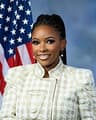 Jasmine Crockett
Democrat · Texas
 Lloyd Doggett
Democrat · Texas
 Christopher Deluzio
Democrat · Pennsylvania
 Suzan DelBene
Democrat · Washington
 Dwight Evans
Democrat · Pennsylvania
 Sarah Elfreth
Democrat · Maryland
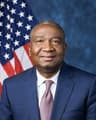 Cleo Fields
Democrat · Louisiana
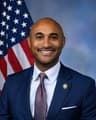 Shomari Figures
Democrat · Alabama
 Al Green
Democrat · Texas
 Jesús García
Democrat · Illinois
 Henry Johnson
Democrat · Georgia
 Jonathan Jackson
Democrat · Illinois
 Robin Kelly
Democrat · Illinois
 Raja Krishnamoorthi
Democrat · Illinois
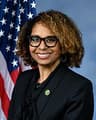 Sydney Kamlager-Dove
Democrat · California
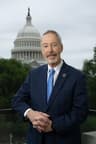 Stephen Lynch
Democrat · Massachusetts
 Summer Lee
Democrat · Pennsylvania
 George Latimer
Democrat · New York
 Kweisi Mfume
Democrat · Maryland
 Seth Moulton
Democrat · Massachusetts
 Seth Magaziner
Democrat · Rhode Island
 Kevin Mullin
Democrat · California
 Jennifer McClellan
Democrat · Virginia
 LaMonica McIver
Democrat · New Jersey
 Eleanor Norton
Democrat · District of Columbia
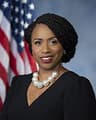 Ayanna Pressley
Democrat · Massachusetts
 Delia Ramirez
Democrat · Illinois
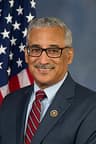 Robert Scott
Democrat · Virginia
 Janice Schakowsky
Democrat · Illinois
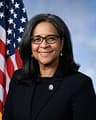 Marilyn Strickland
Democrat · Washington
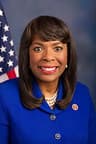 Terri Sewell
Democrat · Alabama
 Andrea Salinas
Democrat · Oregon
 Lateefah Simon
Democrat · California
 Bennie Thompson
Democrat · Mississippi
 Dina Titus
Democrat · Nevada
 Paul Tonko
Democrat · New York
 Rashida Tlaib
Democrat · Michigan
 Ritchie Torres
Democrat · New York
 Shri Thanedar
Democrat · Michigan
 Eugene Vindman
Democrat · Virginia