
Julie Johnson (D-TX)
Reproductive Rights are Human Rights Act of 2025
A Democratic bill with 59 Democratic cosponsors · See all 59 cosponsors
Last activity — Referred to the House Committee on Foreign Affairs.
In committee
Introduced and handed to a committee in the chamber it started in.
The committee holds it, and most bills are never heard from again. A hearing or a committee vote would be news; silence is the usual outcome, and it kills the bill without anyone voting against it.
Its path through Congress
- Introduced
- In Committee
What this bill would do
The "Reproductive Rights are Human Rights Act of 2025" amends the Foreign Assistance Act of 1961. It requires the U.S. government to include a specific section on reproductive rights in its Annual Country Reports on Human Rights Practices. These reports must track policies on contraception, pregnancy care, abortion services, and reproductive violence in other countries. The bill also mandates that the Secretary of State consult with civil society, multilateral organizations, and local nongovernmental organizations when preparing these reports.
Yes· 3 of 13
- Scored +8
Would women be better off under this?
Directly advocates for the monitoring and promotion of women's reproductive health and rights globally.
- Scored +7
Does this narrow the gap between how men and women are treated?
Promotes the monitoring of reproductive rights and violence against women and girls globally.
- Scored +6
Would LGBTQ people be better off under this?
Specifically mandates reporting on discrimination and health barriers faced by LGBTQI+ persons.
The opposite
No question was scored the opposite.
Who it would affect, and how
Potential Positive Impacts for People
-
Increased Transparency on Global Health: By requiring reports on the status of reproductive rights, including access to contraception and pregnancy care, the bill promotes visibility into health services globally (Section 3(a)).
-
Monitoring of Human Rights Violations: The bill requires reporting on coercion, violence, and discrimination against women, girls, LGBTQI+ individuals, and people with disabilities in health care settings, which helps identify and document abuses (Section 3(a)).
-
Focus on Marginalized Groups: The bill specifically mandates the description of disparities in health outcomes based on race, ethnicity, disability, sexual orientation, and other marginalized identities (Section 3(a)).
-
Inclusive Reporting Process: The requirement to consult with local nongovernmental organizations and civil society experts ensures that the reports are informed by people with actual experience in sexual and reproductive health (Section 3(b)).
Potential Negative Impacts for People
- No negative impacts for individuals or groups in the United States are explicitly mentioned in the provided text.
Groups and Interests Ranking
Every group the model scored this bill for, from -10 to +10. Tap or hover a score for the reason it gave.
- Demographic And Interest Groups
- Would women be better off under this? — Directly advocates for the monitoring and promotion of women's reproductive health and rights globally. Would LGBTQ people be better off under this? — Specifically mandates reporting on discrimination and health barriers faced by LGBTQI+ persons. Would people with disabilities be better off under this? — Requires reporting on reproductive coercion and healthcare barriers specifically for people with disabilities. Would children be better off under this? — Includes reporting on reproductive rights and violence against girls globally. Would people in their twenties and thirties be better off under this? — Focuses on access to contraception and family planning for individuals of reproductive age. Would people in middle age be better off under this? — Promotes monitoring of reproductive health services for adults globally.
- Social Issues And Justice
- Does this narrow the gap between how men and women are treated? — Promotes the monitoring of reproductive rights and violence against women and girls globally. Does this expand the rights of people with disabilities? — Requires reporting on coercion and violence against people with disabilities in reproductive health settings. Does this expand the rights of LGBTQ people? — Requires reporting on discrimination and violence against LGBTQI+ individuals in global healthcare settings. Does this narrow racial gaps in how people are treated? — Mandates reporting on disparities in reproductive health outcomes based on race and ethnicity.
- Governance And Ideology
- Does this make what the government does easier for the public to see? — Mandates detailed reporting and transparency on global reproductive rights and human rights violations. Does this give the federal government more power? — Expands the mandate of the Department of State to report on specific global health metrics.
- National Security And Foreign Policy
- Does this favour talking over confrontation abroad? — Increases diplomatic monitoring and consultation with international civil society on human rights.
- 6/8/2026
- 1 Cosponsor added.
- 12/10/2025
- 1 Cosponsor added.
- 11/19/2025
- 1 Cosponsor added.
- 9/16/2025
- 5 Cosponsors added.
- 8/19/2025
- 4 Cosponsors added.
- 8/5/2025
- Referred to the House Committee on Foreign Affairs.
- 47 Cosponsors added.
- Introduced in House
One bill Congress.gov lists as related to this one — companions in the other chamber, earlier versions, and bills this one absorbed or was folded into.
 Jake Auchincloss
Democrat · Massachusetts
 Gabe Amo
Democrat · Rhode Island
 Julia Brownley
Democrat · California
 Nikki Budzinski
Democrat · Illinois
 Becca Balint
Democrat · Vermont
 Yvette Clarke
Democrat · New York
 Steve Cohen
Democrat · Tennessee
 Angie Craig
Democrat · Minnesota
 Sheila Cherfilus-McCormick
Democrat · Florida
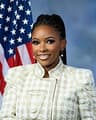 Jasmine Crockett
Democrat · Texas
 Diana DeGette
Democrat · Colorado
 Lloyd Doggett
Democrat · Texas
 Suzan DelBene
Democrat · Washington
 Mark DeSaulnier
Democrat · California
 Sharice Davids
Democrat · Kansas
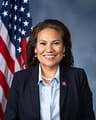 Veronica Escobar
Democrat · Texas
 Sarah Elfreth
Democrat · Maryland
 Lizzie Fletcher
Democrat · Texas
 Jesús García
Democrat · Illinois
 Henry Johnson
Democrat · Georgia
 Pramila Jayapal
Democrat · Washington
 Sara Jacobs
Democrat · California
 Robin Kelly
Democrat · Illinois
 Raja Krishnamoorthi
Democrat · Illinois
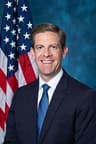 Mike Levin
Democrat · California
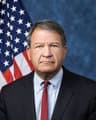 George Latimer
Democrat · New York
 James McGovern
Democrat · Massachusetts
 Betty McCollum
Democrat · Minnesota
 Gwen Moore
Democrat · Wisconsin
 Doris Matsui
Democrat · California
 Seth Moulton
Democrat · Massachusetts
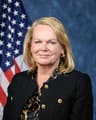 April McClain Delaney
Democrat · Maryland
 Kelly Morrison
Democrat · Minnesota
 Sarah McBride
Democrat · Delaware
 Jerrold Nadler
Democrat · New York
 Eleanor Norton
Democrat · District of Columbia
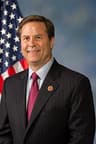 Donald Norcross
Democrat · New Jersey
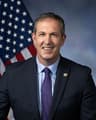 Johnny Olszewski
Democrat · Maryland
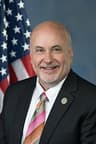 Mark Pocan
Democrat · Wisconsin
 Scott Peters
Democrat · California
 Mike Quigley
Democrat · Illinois
 Deborah Ross
Democrat · North Carolina
 Emily Randall
Democrat · Washington
 Bradley Schneider
Democrat · Illinois
 Darren Soto
Democrat · Florida
 Melanie Stansbury
Democrat · New Mexico
 Lateefah Simon
Democrat · California
 Dina Titus
Democrat · Nevada
 Mark Takano
Democrat · California
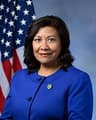 Norma Torres
Democrat · California
 Rashida Tlaib
Democrat · Michigan
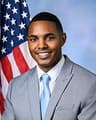 Ritchie Torres
Democrat · New York
 Jill Tokuda
Democrat · Hawaii
 Shri Thanedar
Democrat · Michigan
 Lauren Underwood
Democrat · Illinois
 Nydia Velázquez
Democrat · New York
 Nikema Williams
Democrat · Georgia
 Debbie Wasserman Schultz
Democrat · Florida
 George Whitesides
Democrat · California