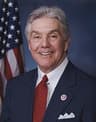
Roger Williams (R-TX)
Blue Shield Privacy Act of 2025
A Republican bill with 1 Democratic cosponsor · See all 7 cosponsors
Last activity — Referred to the House Committee on the Judiciary.
In committee
Introduced and handed to a committee in the chamber it started in.
The committee holds it, and most bills are never heard from again. A hearing or a committee vote would be news; silence is the usual outcome, and it kills the bill without anyone voting against it.
Its path through Congress
- Introduced
- In Committee
What this bill would do
The Blue Shield Privacy Act of 2025 is a bill designed to expand the definition of "restricted personal information" under title 18 of the United States Code. It adds several specific types of data to this list. These additions include license plate numbers, biometric information, workplace addresses, school addresses, and global positioning system coordinates.
Yes· 3 of 31
- Scored +9
Does this protect people from being watched or searched?
Extends statutory privacy protections to include biometric, GPS, and address data.
- Scored +8
Does this give people more control over their personal data?
Significantly expands the types of personal data that are legally protected as restricted personal information.
- Scored +7
Would students be better off under this?
Specifically protects school addresses as restricted personal information.
The opposite
No question was scored the opposite.
Who it would affect, and how
Potential Positive Impacts for People
- Expanded Privacy Protections: By adding license plate numbers, biometric information, workplace addresses, school addresses, and global positioning system coordinates to the definition of "restricted personal information," more types of personal data are protected under Section 2.
Potential Negative Impacts for People
- No negative impacts for people are explicitly mentioned in the provided text.
Groups and Interests Ranking
Every group the model scored this bill for, from -10 to +10. Tap or hover a score for the reason it gave.
- Demographic And Interest Groups
- Would students be better off under this? — Specifically protects school addresses as restricted personal information. Would Black Americans be better off under this? — Provides expanded privacy protections for all individuals. Would Asian Americans be better off under this? — Provides expanded privacy protections for all individuals. Would billionaires be better off under this? — Increases privacy protections for all citizens regardless of income. Would children be better off under this? — Protects school addresses and biometric data of minors. Would high-income households be better off under this? — Increases privacy protections for all citizens regardless of income. Would people with substantial wealth be better off under this? — Increases privacy protections for all citizens regardless of income. Would Hispanic Americans be better off under this? — Provides expanded privacy protections for all individuals. Would immigrants be better off under this? — Provides expanded privacy protections for all individuals. Would LGBTQ people be better off under this? — Provides expanded privacy protections for all individuals. Would households on low incomes be better off under this? — Increases privacy protections for all citizens regardless of income. Would men be better off under this? — Provides expanded privacy protections for all individuals. Would people in middle age be better off under this? — Increases general privacy protections for personal information. Would middle-income households be better off under this? — Increases privacy protections for all citizens regardless of income. Would Native Americans be better off under this? — Provides expanded privacy protections for all individuals. Would people with disabilities be better off under this? — Provides expanded privacy protections for all individuals. Would retired people be better off under this? — Provides expanded privacy protections for all individuals. Would people in rural areas be better off under this? — Provides expanded privacy protections for all individuals. Would people over 65 be better off under this? — Increases general privacy protections for personal information. Would the very wealthiest people be better off under this? — Increases privacy protections for all citizens regardless of income. Would people in cities be better off under this? — Provides expanded privacy protections for all individuals. Would veterans be better off under this, taking everything together? — Provides expanded privacy protections for all individuals. Would white Americans be better off under this? — Provides expanded privacy protections for all individuals. Would women be better off under this? — Provides expanded privacy protections for all individuals. Would people in their twenties and thirties be better off under this? — Increases privacy for GPS and biometric data used by tech-savvy demographics.
- Education And Technology
- Does this give people more control over their personal data? — Significantly expands the types of personal data that are legally protected as restricted personal information. Does this put more rules on large technology companies? — Limits how tech companies and entities can handle restricted personal information like GPS and biometrics.
- Governance And Ideology
- Does this protect people from being watched or searched? — Extends statutory privacy protections to include biometric, GPS, and address data. Does this give the federal government more power? — Expands the federal definition of restricted personal information under Title 18.
- Economy And Finance
- Does this give people more protection from unfair business practices? — Expands privacy protections for personal data, which enhances consumer data security.
- National Security And Foreign Policy
- Does this better protect the country from computer attacks? — Increases legal protections against the misuse of sensitive biometric and GPS data.
- 2/23/2026
- 1 Cosponsor added.
- 2/9/2026
- 1 Cosponsor added.
- 7/29/2025
- Referred to the House Committee on the Judiciary.
- 5 Cosponsors added.
- Introduced in House
 Brian Babin
Republican · Texas
 Scott DesJarlais
Republican · Tennessee
 Josh Gottheimer
Democrat · New Jersey
 Julia Letlow
Republican · Louisiana
 Anna Paulina Luna
Republican · Florida
 Mary Miller
Republican · Illinois
 Barry Moore
Republican · Alabama