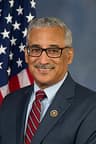
Robert Scott (D-VA)
Transformation to Competitive Integrated Employment Act
A Democratic bill with 2 Republican cosponsors · See all 9 cosponsors
Last activity — Referred to the House Committee on Education and Workforce.
In committee
Introduced and handed to a committee in the chamber it started in.
The committee holds it, and most bills are never heard from again. A hearing or a committee vote would be news; silence is the usual outcome, and it kills the bill without anyone voting against it.
Its path through Congress
- Introduced
- In Committee
What this bill would do
This bill, known as the "Transformation to Competitive Integrated Employment Act," aims to help employers move away from using special certificates under the Fair Labor Standards Act of 1938. It provides grant programs to assist States and eligible entities in transforming their business models to support individuals with disabilities through competitive integrated employment. The legislation includes a plan to phase out these special certificates over time while transitioning workers to fair wages and integrated community services. It also establishes technical assistance and requires impact evaluations to track the social and economic effects of these changes. Ultimately, the bill seeks to improve employment outcomes for individuals with disabilities through all State workforce development systems.
Yes· 3 of 6
- Scored +9
Would people with disabilities be better off under this?
The bill significantly improves employment outcomes and wage standards for individuals with disabilities through competitive integrated employment.
- Scored +9
Does this expand the rights of people with disabilities?
The bill expands rights by phasing out sub-minimum wage certificates and promoting competitive integrated employment and community inclusion.
- Scored +7
Does this raise the lowest wage an employer may pay?
The bill mandates a transition toward paying individuals with disabilities the federal or state minimum wage rather than lower sub-minimum rates.
The opposite
No question was scored the opposite.
Who it would affect, and how
Potential Positive Impacts for People
-
Increased Wages for Workers: The bill transitions employees from receiving potentially lower wages to being compensated at a rate not less than the federal or state minimum wage, or the customary rate paid to non-disabled employees performing similar work (Section 101(1)).
-
Access to Better Employment Models: Individuals with disabilities are assisted in finding and retaining work in competitive integrated employment settings (Section 101(2)).
-
Improved Community Support: The bill supports the provision of integrated community participation and wraparound services to help individuals develop skills for independent living and community involvement (Section 101(3), Section 501(4)).
-
Support for State Transitions: States receive grants to help implement Olmstead plans and improve competitive integrated employment outcomes through workforce development systems (Section 3(5)).
-
Technical Expertise and Information: A nonprofit entity is funded to provide technical assistance, identify successful transition models, and build replicable strategies for employers (Section 301(1)).
Potential Negative Impacts for People
-
Phase-Out of Existing Certificate Models: The bill includes a sunset provision where the authority to issue special certificates will expire, and existing certificates will no longer have legal effect (Section s 202(7)).
-
Prohibition on New Certificates: The Secretary is prohibited from issuing new special certificates to employers not already holding them at the time of enactment (Section 202(6)).
Groups and Interests Ranking
Every group the model scored this bill for, from -10 to +10. Tap or hover a score for the reason it gave.
- Demographic And Interest Groups
- Would people with disabilities be better off under this? — The bill significantly improves employment outcomes and wage standards for individuals with disabilities through competitive integrated employment. Would households on low incomes be better off under this? — The bill increases potential earnings for low-income workers with disabilities by phasing out sub-minimum wage certificates.
- Economy And Finance
- Does this raise the lowest wage an employer may pay? — The bill mandates a transition toward paying individuals with disabilities the federal or state minimum wage rather than lower sub-minimum rates. Does this make it easier to run a small business? — The bill provides grants to assist employers in transforming their business models to support competitive integrated employment.
- Social Issues And Justice
- Does this expand the rights of people with disabilities? — The bill expands rights by phasing out sub-minimum wage certificates and promoting competitive integrated employment and community inclusion.
- Healthcare
- Does this put more money into Medicaid, the health coverage for people on low incomes? — The bill coordinates with State Medicaid agencies to support integrated community participation and wraparound services.
- 10/1/2026
- 1 Cosponsor added.
- 9/1/2026
- 1 Cosponsor added.
- 7/20/2026
- 1 Cosponsor added.
- 6/9/2026
- 1 Cosponsor added.
- 3/3/2026
- 1 Cosponsor added.
- 2/20/2026
- 1 Cosponsor added.
- 9/26/2025
- 1 Cosponsor added.
- 9/8/2025
- 1 Cosponsor added.
- 7/25/2025
- Referred to the House Committee on Education and Workforce.
- 1 Cosponsor added.
- Introduced in House
One bill Congress.gov lists as related to this one — companions in the other chamber, earlier versions, and bills this one absorbed or was folded into.
 Sharice Davids
Democrat · Kansas
 Maggie Goodlander
Democrat · New Hampshire
 William Keating
Democrat · Massachusetts
 Raja Krishnamoorthi
Democrat · Illinois
 Nicole Malliotakis
Republican · New York
 Joe Neguse
Democrat · Colorado
 Josh Riley
Democrat · New York
 Pete Sessions
Republican · Texas
 Lateefah Simon
Democrat · California