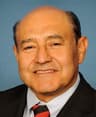
J. Correa (D-CA)
Student Loan Bankruptcy Improvement Act of 2025
A Democratic bill with 24 Democratic cosponsors · See all 24 cosponsors
Last activity — Referred to the House Committee on the Judiciary.
In committee
Introduced and handed to a committee in the chamber it started in.
The committee holds it, and most bills are never heard from again. A hearing or a committee vote would be news; silence is the usual outcome, and it kills the bill without anyone voting against it.
Its path through Congress
- Introduced
- In Committee
What this bill would do
The Student Loan Bankruptcy Improvement Act of 2025 aims to create a more equitable discharge standard for people with student loan debt. The bill proposes to amend the current bankruptcy code by striking the word "undue" from the existing "undue hardship" standard. By changing the standard to just "hardship," the legislation seeks to provide more flexibility for bankruptcy courts. This change is intended to help borrowers obtain relief from their debts more easily. The act applies to all bankruptcy cases commenced on or after the date it is enacted.
Yes· 3 of 11
- Scored +8
Would students be better off under this?
The bill is specifically designed to benefit current and former student loan borrowers.
- Scored +8
Does this reduce what student borrowers owe or repay?
The bill directly lowers the bar for obtaining student loan discharge in bankruptcy, providing significant relief to borrowers.
- Scored +7
Would people in their twenties and thirties be better off under this?
Young adults are a major demographic of student loan borrowers who would benefit from easier debt discharge.
The opposite
No question was scored the opposite.
Who it would affect, and how
Potential Positive Impacts for People
-
Easier Debt Discharge: By striking the word "undue" from the current standard, the bill provides bankruptcy courts with more flexibility to adopt reasonable criteria for discharging student loan debt (Section 2, Finding 6; Section 3).
-
Increased Relief for Borrowers: The bill aims to provide a fair, nation-wide standard for relief to help student loan borrowers who currently face an achievable avenue for relief that is difficult under the "undue hardship" standard (Section 2, Finding 1 and 2).
-
Economic Participation: Providing a new hardship standard is intended to assist the goal of bankruptcy, which is giving honest debtors a "fresh start" so they can more fully participate and contribute to the economy (Section 2, Finding 4).
-
Financial Stability: The change is intended to facilitate fair and appropriate discharges and repayment plans for borrowers (Section 2, Finding 19).
Potential Negative Impacts for People
- No specific negative impacts are explicitly detailed in the provided text regarding the consequences of this specific amendment.
Groups and Interests Ranking
Every group the model scored this bill for, from -10 to +10. Tap or hover a score for the reason it gave.
- Demographic And Interest Groups
- Would students be better off under this? — The bill is specifically designed to benefit current and former student loan borrowers. Would households on low incomes be better off under this? — Low-income households are disproportionately affected by student loan debt and defaults. Would people in their twenties and thirties be better off under this? — Young adults are a major demographic of student loan borrowers who would benefit from easier debt discharge. Would middle-income households be better off under this? — The bill provides relief to many middle-class individuals facing high levels of student debt. Would people in middle age be better off under this? — Middle-aged adults with existing student debt may benefit from more flexible discharge options.
- Education And Technology
- Does this reduce what student borrowers owe or repay? — The bill directly lowers the bar for obtaining student loan discharge in bankruptcy, providing significant relief to borrowers. Does this make college cost less? — By making student loan discharge more accessible, the bill alleviates the long-term financial burden of higher education.
- Economy And Finance
- Does this give people more protection from unfair business practices? — The bill provides more relief to student loan borrowers facing financial hardship. Is this likely to grow the economy? — By facilitating debt discharge, the bill aims to allow debtors to more fully participate and contribute to the economy.
- Social Issues And Justice
- Is this likely to lift people out of poverty? — The bill aims to provide debt relief to help borrowers achieve financial stability and mitigate the impact of high student loan debt.
- Governance And Ideology
- Does this protect the right to fair treatment by the courts? — The bill aims to create a more equitable standard for bankruptcy proceedings regarding student debt.
- 2/4/2026
- 1 Cosponsor added.
- 1/16/2026
- 1 Cosponsor added.
- 12/23/2025
- 1 Cosponsor added.
- 10/8/2025
- 1 Cosponsor added.
- 9/3/2025
- 1 Cosponsor added.
- 8/19/2025
- 1 Cosponsor added.
- 8/15/2025
- 1 Cosponsor added.
- 8/8/2025
- 1 Cosponsor added.
- 7/21/2025
- 1 Cosponsor added.
- 7/16/2025
- Referred to the House Committee on the Judiciary.
- 15 Cosponsors added.
- Introduced in House
 Alma Adams
Democrat · North Carolina
 Suzanne Bonamici
Democrat · Oregon
 Becca Balint
Democrat · Vermont
 Yvette Clarke
Democrat · New York
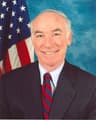 Joe Courtney
Democrat · Connecticut
 André Carson
Democrat · Indiana
 Troy Carter
Democrat · Louisiana
 Dwight Evans
Democrat · Pennsylvania
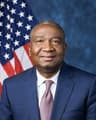 Cleo Fields
Democrat · Louisiana
 Jesús García
Democrat · Illinois
 Henry Johnson
Democrat · Georgia
 Pramila Jayapal
Democrat · Washington
 Raja Krishnamoorthi
Democrat · Illinois
 Zoe Lofgren
Democrat · California
 Summer Lee
Democrat · Pennsylvania
 Eleanor Norton
Democrat · District of Columbia
 Deborah Ross
Democrat · North Carolina
 Linda Sánchez
Democrat · California
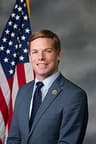 Eric Swalwell
Democrat · California
 Bennie Thompson
Democrat · Mississippi
 Paul Tonko
Democrat · New York
 Rashida Tlaib
Democrat · Michigan
 Shri Thanedar
Democrat · Michigan
 Nydia Velázquez
Democrat · New York