
Mariannette Miller-Meeks (R-IA)
Limiting Liability for Critical Infrastructure Manufacturers Act
A Republican bill with 21 Republican cosponsors · See all 21 cosponsors
Last activity — Referred to the House Committee on the Judiciary.
In committee
Introduced and handed to a committee in the chamber it started in.
The committee holds it, and most bills are never heard from again. A hearing or a committee vote would be news; silence is the usual outcome, and it kills the bill without anyone voting against it.
Its path through Congress
- Introduced
- In Committee
What this bill would do
This bill, titled the "Limiting Liability for Critical Infrastructure Manufacturers Act," aims to protect certain companies from legal consequences. It proposes to make manufacturers of critical infrastructure immune from liability and suits under both Federal and State law regarding claims from wildfire incidents. This immunity applies to losses caused by, arising out of, or resulting from such wildfires. The only exception to this protection is if there is proof of willful misconduct during the design or production of the equipment.
Yes
- Scored +5
Would business owners be better off under this?
Manufacturers of critical infrastructure benefit significantly from reduced legal liability risks.
The opposite· 3 of 9
- Scored -5
Does this give people more protection from unfair business practices?
The bill limits consumer recourse by granting manufacturers immunity from wildfire-related liability claims.
- Scored -4
Does this better protect air, water and wildlife?
The bill may weaken environmental accountability by shielding manufacturers from liability related to wildfire damage.
- Scored -3
Does this improve help for people hit by a disaster?
The bill could hinder recovery efforts by making it harder for victims of wildfires to seek compensation from manufacturers.
Who it would affect, and how
Potential Positive Impacts for People
- Legal Immunity for Manufacturers: Manufacturers of critical infrastructure equipment would be immune from suit and liability for claims resulting from wildfire incidents, unless willful misconduct in design or production is proven. (Section 3(a))
Potential Negative Impacts for People
- Reduced Ability to Seek Damages: The bill would limit the ability to sue manufacturers for losses caused by or relating to wildfire incidents, as they would be immune from suit and liability under Federal and State law unless willful misconduct is proven. (Section 3(a))
Groups and Interests Ranking
Every group the model scored this bill for, from -10 to +10. Tap or hover a score for the reason it gave.
- Environment Energy And Infrastructure
- Does this better protect air, water and wildlife? — The bill may weaken environmental accountability by shielding manufacturers from liability related to wildfire damage. Does this improve help for people hit by a disaster? — The bill could hinder recovery efforts by making it harder for victims of wildfires to seek compensation from manufacturers.
- Demographic And Interest Groups
- Would business owners be better off under this? — Manufacturers of critical infrastructure benefit significantly from reduced legal liability risks. Would households on low incomes be better off under this? — Lower-income households often lack the resources to recover from wildfire losses without legal recourse. Would people in rural areas be better off under this? — Rural residents, often highly exposed to wildfire risk, lose potential paths to compensation. Would farmers be better off under this? — Farmers may face greater difficulty recovering damages from manufacturers following wildfire events. Would middle-income households be better off under this? — Middle-class homeowners may face increased financial risk due to the loss of liability recourse.
- Economy And Finance
- Does this give people more protection from unfair business practices? — The bill limits consumer recourse by granting manufacturers immunity from wildfire-related liability claims.
- Governance And Ideology
- Does this protect the right to fair treatment by the courts? — The bill limits the due process rights of those seeking legal redress for wildfire-related losses. Does this leave more decisions to the states? — The federal mandate for immunity may override state-level tort laws and rights to seek damages.
- 2/4/2026
- 1 Cosponsor added.
- 2/3/2026
- 1 Cosponsor added.
- 1/23/2026
- 1 Cosponsor added.
- 1/21/2026
- 1 Cosponsor added.
- 12/16/2025
- 1 Cosponsor added.
- 12/11/2025
- 2 Cosponsors added.
- 12/9/2025
- 1 Cosponsor added.
- 12/4/2025
- 3 Cosponsors added.
- 10/8/2025
- 2 Cosponsors added.
- 9/30/2025
- 1 Cosponsor added.
- 9/18/2025
- 1 Cosponsor added.
- 9/15/2025
- 1 Cosponsor added.
- 7/21/2025
- 2 Cosponsors added.
- 7/16/2025
- 1 Cosponsor added.
- 6/26/2025
- Referred to the House Committee on the Judiciary.
- 2 Cosponsors added.
- Introduced in House
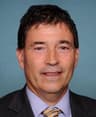 Troy Balderson
Republican · Ohio
 Earl Carter
Republican · Georgia
 Ben Cline
Republican · Virginia
 Gabe Evans
Republican · Colorado
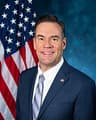 Russ Fulcher
Republican · Idaho
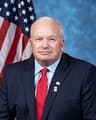 Scott Fitzgerald
Republican · Wisconsin
 Brandon Gill
Republican · Texas
 Diana Harshbarger
Republican · Tennessee
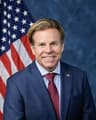 Mike Haridopolos
Republican · Florida
 Robert Latta
Republican · Ohio
 Troy Nehls
Republican · Texas
 Jay Obernolte
Republican · California
 Robert Onder
Republican · Missouri
 Gary Palmer
Republican · Alabama
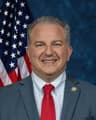 Jimmy Patronis
Republican · Florida
 Michael Rulli
Republican · Ohio
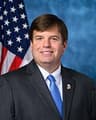 Dale Strong
Republican · Alabama
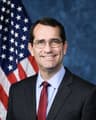 Derek Schmidt
Republican · Kansas
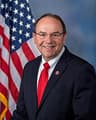 Thomas Tiffany
Republican · Wisconsin
 Randy Weber
Republican · Texas
 Roger Williams
Republican · Texas