
Pramila Jayapal (D-WA)
Health Equity and Access under the Law for Immigrant Families Act of 2025
A Democratic bill with 88 Democratic cosponsors · See all 88 cosponsors
Last activity — Referred to the Committee on Energy and Commerce, and in addition to the Committee on Ways and Means, for a period to be subsequently determined by the Speaker, in each case for consideration of such provisions as fall within the jurisdiction of the committee concerned.
In committee
Introduced and handed to a committee in the chamber it started in.
The committee holds it, and most bills are never heard from again. A hearing or a committee vote would be news; silence is the usual outcome, and it kills the bill without anyone voting against it.
Its path through Congress
- Introduced
- In Committee
What this bill would do
This bill is called the Health Equity and Access under the Law for Immigrant Families Act of 2025. Its main goal is to remove legal and policy barriers so that immigrants and their families can more easily get health insurance coverage. The legislation ensures that lawfully present individuals are eligible for federally funded health care programs. It also gives states the option to provide Medicaid and the Children's Health Insurance Program to individuals without lawful presence. Additionally, the bill removes citizenship and immigration barriers to make health care under the Affordable Care Act more accessible.
Yes· 3 of 30
- Scored +10
Would immigrants be better off under this?
The primary target of the bill, removing nearly all major barriers to public health insurance.
- Scored +10
Does this make health care easier to get in general?
Directly aims to remove legal and policy barriers to health insurance for immigrants and their families.
- Scored +9
Would households on low incomes be better off under this?
Significantly increases access to Medicaid, CHIP, and ACA subsidies for low-income immigrants.
The opposite· 3 of 4
- Scored -5
Does this reduce what the federal government spends?
The bill expands Medicaid, CHIP, and Medicare eligibility, increasing federal expenditures.
- Scored -3
Does this reduce what the federal government owes?
Expanding eligibility for federally funded healthcare programs likely increases government spending.
- Scored -2
Does this make the government pay for what it commits to?
Increases federal spending on health programs without specified funding offsets.
Who it would affect, and how
Potential Positive Impacts for People
-
Section 3 removes barriers for lawfully residing individuals by requiring states to provide medical assistance under Medicaid and CHIP to those who are lawfully residing, including battered individuals and those with deferred action. This ensures that more people living in the country legally can get necessary health coverage.
-
Section 4 clarifies that all individuals granted a federally authorized presence are considered lawfully present for programs like health insurance exchanges, reduced cost-sharing, and premium subsidies. This helps people access financial help to lower the cost of their health insurance plans.
-
Section 5 removes specific citizenship and immigration barriers related to the Affordable Care Act, allowing noncitizens who are ineligible for Medicaid due to their status to access premium tax credits and cost-sharing reductions. This change helps lower-income families afford private health insurance coverage.
-
Section 6 provides states with the option to expand Medicaid and CHIP to individuals without lawful presence if they would otherwise be eligible as citizens. This gives local leaders the flexibility to cover vulnerable populations in their communities who currently lack healthcare options.
-
Section 8 opens up Medicare Part A and Part B enrollment to individuals who are lawfully present in the United States, including those with approved or pending deferred action applications. This allows older or disabled lawfully present immigrants to secure health coverage through Medicare.
Potential Negative Impacts for People
Based on the provided text, there are no explicitly stated negative impacts or burdens for individuals or groups of people in the United States.
Groups and Interests Ranking
Every group the model scored this bill for, from -10 to +10. Tap or hover a score for the reason it gave.
- Demographic And Interest Groups
- Would immigrants be better off under this? — The primary target of the bill, removing nearly all major barriers to public health insurance. Would households on low incomes be better off under this? — Significantly increases access to Medicaid, CHIP, and ACA subsidies for low-income immigrants. Would children be better off under this? — Expands CHIP access for immigrant children and pregnant women. Would Hispanic Americans be better off under this? — High positive impact as this group is heavily represented among the targeted immigrant populations. Would people over 65 be better off under this? — Expands Medicare Part A and B access to lawfully present seniors. Would people in middle age be better off under this? — Removes barriers to Medicaid and ACA subsidies for adult immigrants. Would retired people be better off under this? — Lawfully present retirees gain access to Medicare Part A and B. Would people in their twenties and thirties be better off under this? — Increases access to ACA exchanges and subsidies for young immigrants. Would women be better off under this? — Specific provisions for pregnant women in the CHIP expansion section. Would Asian Americans be better off under this? — Positive impact for Asian American immigrants and their families. Would men be better off under this? — General increase in healthcare access for all eligible immigrants. Would middle-income households be better off under this? — Expands access to ACA premium tax credits and cost-sharing reductions. Would people with disabilities be better off under this? — Increases access to essential medical assistance for disabled immigrants. Would people in cities be better off under this? — Higher concentrations of immigrant populations in urban areas will benefit significantly. Would people in rural areas be better off under this? — Immigrant workers in rural sectors will gain much-needed health coverage. Would students be better off under this? — Improves healthcare access for immigrant students lawfully present in the US. Would Black Americans be better off under this? — Positive impact for African American immigrants and their families. Would white Americans be better off under this? — Positive impact for White immigrants and their families.
- Healthcare
- Does this make health care easier to get in general? — Directly aims to remove legal and policy barriers to health insurance for immigrants and their families. Does this strengthen the Affordable Care Act? — Expands ACA exchange eligibility and subsidies to those with federally authorized presence. Does this put more money into Medicaid, the health coverage for people on low incomes? — Removes barriers and provides options for States to expand Medicaid to more immigrant populations. Does this put more money into Medicare, the health coverage for people over 65? — Expands Medicare Part A and B eligibility to lawfully present individuals, necessitating more funding. Does this make mental health care easier to get? — Increased insurance coverage generally improves access to all covered health services, including mental health. Does this make the country readier for the next outbreak? — Broader healthcare coverage improves overall population health monitoring and response capabilities.
- Social Issues And Justice
- Is this likely to lift people out of poverty? — Providing health insurance reduces the risk of medical bankruptcy and catastrophic health expenses for low-income immigrants. Does this narrow racial gaps in how people are treated? — Addresses health disparities that disproportionately affect immigrant communities of color. Does this make it easier for immigrants already here to become citizens? — While not a direct path to citizenship, it improves the quality of life for those in the process. Is this likely to reduce homelessness? — Better health access can prevent health crises that lead to loss of employment and housing.
- Economy And Finance
- Is this likely to grow the economy? — Increased healthcare access generally leads to a healthier and more productive workforce. Does this reduce what the federal government spends? — The bill expands Medicaid, CHIP, and Medicare eligibility, increasing federal expenditures. Does this reduce what the federal government owes? — Expanding eligibility for federally funded healthcare programs likely increases government spending. Does this make the government pay for what it commits to? — Increases federal spending on health programs without specified funding offsets.
- Governance And Ideology
- Does this give the federal government more power? — Sets new federal mandates for State Medicaid and CHIP eligibility. Does this leave more decisions to the states? — Eliminates certain State authorities to restrict Medicaid eligibility for lawful permanent residents.
- 11/10/2026
- 1 Cosponsor added.
- 10/19/2026
- 2 Cosponsors added.
- 9/24/2026
- 2 Cosponsors added.
- 9/16/2026
- 2 Cosponsors added.
- 9/15/2026
- 1 Cosponsor added.
- 9/14/2026
- 1 Cosponsor added.
- 9/3/2026
- 1 Cosponsor added.
- 9/1/2026
- 3 Cosponsors added.
- 6/3/2026
- 1 Cosponsor added.
- 6/2/2026
- 1 Cosponsor added.
- 4/28/2026
- 1 Cosponsor added.
- 8/29/2025
- 1 Cosponsor added.
- 8/1/2025
- 1 Cosponsor added.
- 7/23/2025
- 2 Cosponsors added.
- 7/22/2025
- 1 Cosponsor added.
- 7/21/2025
- 1 Cosponsor added.
- 7/16/2025
- 3 Cosponsors added.
- 7/14/2025
- 3 Cosponsors added.
- 7/10/2025
- 1 Cosponsor added.
- 7/2/2025
- 2 Cosponsors added.
- 6/26/2025
- 1 Cosponsor added.
- 6/25/2025
- 1 Cosponsor added.
- 6/24/2025
- Referred to the Committee on Energy and Commerce, and in addition to the Committee on Ways and Means, for a period to be subsequently determined by the Speaker, in each case for consideration of such provisions as fall within the jurisdiction of the committee concerned.
- 55 Cosponsors added.
- Introduced in House
One bill Congress.gov lists as related to this one — companions in the other chamber, earlier versions, and bills this one absorbed or was folded into.
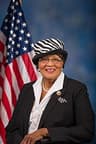 Alma Adams
Democrat · North Carolina
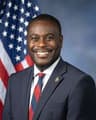 Gabe Amo
Democrat · Rhode Island
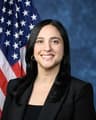 Yassamin Ansari
Democrat · Arizona
 Suzanne Bonamici
Democrat · Oregon
 Donald Beyer
Democrat · Virginia
 Nanette Barragán
Democrat · California
 Becca Balint
Democrat · Vermont
 Wesley Bell
Democrat · Missouri
 Emanuel Cleaver
Democrat · Missouri
 Kathy Castor
Democrat · Florida
 Yvette Clarke
Democrat · New York
 André Carson
Democrat · Indiana
 Judy Chu
Democrat · California
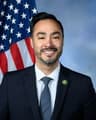 Joaquin Castro
Democrat · Texas
 J. Correa
Democrat · California
 Salud Carbajal
Democrat · California
 Troy Carter
Democrat · Louisiana
 Sheila Cherfilus-McCormick
Democrat · Florida
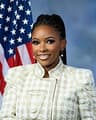 Jasmine Crockett
Democrat · Texas
 Greg Casar
Democrat · Texas
 Lloyd Doggett
Democrat · Texas
 Suzan DelBene
Democrat · Washington
 Mark DeSaulnier
Democrat · California
 Maxine Dexter
Democrat · Oregon
 Dwight Evans
Democrat · Pennsylvania
 Adriano Espaillat
Democrat · New York
 Veronica Escobar
Democrat · Texas
 Maxwell Frost
Democrat · Florida
 Al Green
Democrat · Texas
 Jimmy Gomez
Democrat · California
 Jesús García
Democrat · Illinois
 Sylvia Garcia
Democrat · Texas
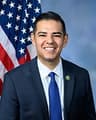 Robert Garcia
Democrat · California
 Adelita Grijalva
Democrat · Arizona
 Jared Huffman
Democrat · California
 Henry Johnson
Democrat · Georgia
 Sara Jacobs
Democrat · California
 Jonathan Jackson
Democrat · Illinois
 Ro Khanna
Democrat · California
 Raja Krishnamoorthi
Democrat · Illinois
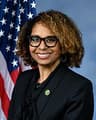 Sydney Kamlager-Dove
Democrat · California
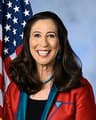 Teresa Leger Fernandez
Democrat · New Mexico
 Ted Lieu
Democrat · California
 Summer Lee
Democrat · Pennsylvania
 James McGovern
Democrat · Massachusetts
 Gwen Moore
Democrat · Wisconsin
 Grace Meng
Democrat · New York
 Kevin Mullin
Democrat · California
 Robert Menendez
Democrat · New Jersey
 Jennifer McClellan
Democrat · Virginia
 Christian Menefee
Democrat · Texas
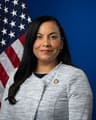 Analilia Mejia
Democrat · New Jersey
 Jerrold Nadler
Democrat · New York
 Eleanor Norton
Democrat · District of Columbia
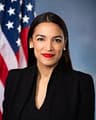 Alexandria Ocasio-Cortez
Democrat · New York
 Ilhan Omar
Democrat · Minnesota
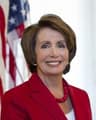 Nancy Pelosi
Democrat · California
 Chellie Pingree
Democrat · Maine
 Mark Pocan
Democrat · Wisconsin
 Jimmy Panetta
Democrat · California
 Ayanna Pressley
Democrat · Massachusetts
 Mike Quigley
Democrat · Illinois
 Deborah Ross
Democrat · North Carolina
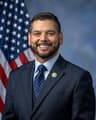 Raul Ruiz
Democrat · California
 Delia Ramirez
Democrat · Illinois
 Luz Rivas
Democrat · California
 Emily Randall
Democrat · Washington
 Adam Smith
Democrat · Washington
 Janice Schakowsky
Democrat · Illinois
 Linda Sánchez
Democrat · California
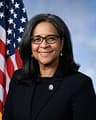 Marilyn Strickland
Democrat · Washington
 Terri Sewell
Democrat · Alabama
 Mary Gay Scanlon
Democrat · Pennsylvania
 Melanie Stansbury
Democrat · New Mexico
 Andrea Salinas
Democrat · Oregon
 Lateefah Simon
Democrat · California
 Mark Takano
Democrat · California
 Rashida Tlaib
Democrat · Michigan
 Ritchie Torres
Democrat · New York
 Jill Tokuda
Democrat · Hawaii
 Shri Thanedar
Democrat · Michigan
 Nydia Velázquez
Democrat · New York
 Juan Vargas
Democrat · California
 Marc Veasey
Democrat · Texas
 Nikema Williams
Democrat · Georgia
 Debbie Wasserman Schultz
Democrat · Florida
 Frederica Wilson
Democrat · Florida
 Bonnie Watson Coleman
Democrat · New Jersey