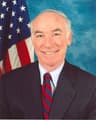
A Democratic bill with 8 Republican cosponsors · See all 49 cosponsors
Last activity — Referred to the Committee on Ways and Means, and in addition to the Committee on Energy and Commerce, for a period to be subsequently determined by the Speaker, in each case for consideration of such provisions as fall within the jurisdiction of the committee concerned.
In committee
Introduced and handed to a committee in the chamber it started in.
The committee holds it, and most bills are never heard from again. A hearing or a committee vote would be news; silence is the usual outcome, and it kills the bill without anyone voting against it.
Its path through Congress
- Introduced
- In Committee
What this bill would do
This bill is called the Improving Access to Medicare Coverage Act of 2025. It amends title XVIII of the Social Security Act. The main goal is to count a time of receiving outpatient observation services in a hospital toward the 3-day inpatient hospital stay requirement. This requirement is for coverage of skilled nursing facility services under Medicare. The change applies to services beginning on or after January 1, 2026.
Yes· 3 of 21
- Scored +9
Would people over 65 be better off under this?
Primarily benefits seniors by expanding their access to Medicare-covered skilled nursing care.
- Scored +9
Would retired people be better off under this?
Directly benefits retirees by easing the requirements for Medicare coverage in nursing facilities.
- Scored +8
Does this make health care easier to get in general?
Increases access to skilled nursing facility services by removing a restrictive 3-day inpatient stay barrier.
The opposite
- Scored -1
Does this reduce what the federal government owes?
Expanded Medicare coverage for skilled nursing facilities may slightly increase federal healthcare spending.
- Scored -1
Does this reduce what the federal government spends?
Increasing eligibility for Medicare-covered services generally leads to higher government expenditures.
- Scored -1
Does this make the government pay for what it commits to?
Expansion of benefit eligibility without a designated funding source may negatively impact fiscal balance.
Who it would affect, and how
Potential Positive Impacts for People
- Counting Observation Time: Under Section 2, an individual receiving outpatient observation services will be deemed to be an inpatient during that time. This is positive because it helps people satisfy the 3-day inpatient hospital stay requirement needed to get Medicare coverage for skilled nursing facility services.
Potential Negative Impacts for People
- No Negative Impacts Found: Based strictly on the provided text, there are no specific sections or provisions identified that create negative consequences or burdens for individuals or groups.
Groups and Interests Ranking
Every group the model scored this bill for, from -10 to +10. Tap or hover a score for the reason it gave.
- Demographic And Interest Groups
- Would retired people be better off under this? — Directly benefits retirees by easing the requirements for Medicare coverage in nursing facilities. Would people over 65 be better off under this? — Primarily benefits seniors by expanding their access to Medicare-covered skilled nursing care. Would households on low incomes be better off under this? — Increases access to essential healthcare services that would otherwise be unaffordable. Would people with disabilities be better off under this? — Individuals with disabilities are more likely to require skilled nursing facility services. Would middle-income households be better off under this? — Reduces financial burden of post-hospital care for middle-class Medicare recipients. Would Black Americans be better off under this? — Improves healthcare access for a demographic that often faces systemic barriers to care. Would Asian Americans be better off under this? — Improves healthcare access for a demographic that often faces systemic barriers to care. Would Hispanic Americans be better off under this? — Improves healthcare access for a demographic that often faces systemic barriers to care. Would men be better off under this? — Provides increased access to necessary post-hospital rehabilitation for men. Would Native Americans be better off under this? — Improves healthcare access for a demographic that often faces systemic barriers to care. Would veterans be better off under this, taking everything together? — Veterans who are Medicare eligible will benefit from expanded nursing care access. Would white Americans be better off under this? — Improves healthcare access for eligible seniors across racial lines. Would women be better off under this? — Women represent a significant portion of the senior population utilizing skilled nursing facilities. Would billionaires be better off under this? — Increases available Medicare benefits for those eligible. Would high-income households be better off under this? — Provides a benefit, though the relative financial impact is lower than for low-income households. Would people with substantial wealth be better off under this? — Increases available Medicare benefits for those eligible. Would the very wealthiest people be better off under this? — Increases available Medicare benefits for those eligible.
- Healthcare
- Does this make health care easier to get in general? — Increases access to skilled nursing facility services by removing a restrictive 3-day inpatient stay barrier. Does this put more money into Medicare, the health coverage for people over 65? — The bill expands the types of services that qualify for Medicare coverage, effectively increasing the utilization of funding.
- Social Issues And Justice
- Does this strengthen Social Security? — Positively impacts Medicare, which is part of the broader Social Security administration's healthcare provision. Is this likely to lift people out of poverty? — Reduces out-of-pocket costs for seniors who would otherwise pay for skilled nursing care.
- Economy And Finance
- Does this make the government pay for what it commits to? — Expansion of benefit eligibility without a designated funding source may negatively impact fiscal balance. Does this reduce what the federal government spends? — Increasing eligibility for Medicare-covered services generally leads to higher government expenditures. Does this reduce what the federal government owes? — Expanded Medicare coverage for skilled nursing facilities may slightly increase federal healthcare spending.
- 9/28/2026
- 1 Cosponsor added.
- 9/14/2026
- 1 Cosponsor added.
- 9/8/2026
- 1 Cosponsor added.
- 9/1/2026
- 1 Cosponsor added.
- 8/17/2026
- 1 Cosponsor added.
- 8/10/2026
- 1 Cosponsor added.
- 8/6/2026
- 1 Cosponsor added.
- 7/15/2026
- 1 Cosponsor added.
- 7/2/2026
- 1 Cosponsor added.
- 6/18/2026
- 1 Cosponsor added.
- 6/15/2026
- 1 Cosponsor added.
- 6/10/2026
- 2 Cosponsors added.
- 6/8/2026
- 1 Cosponsor added.
- 6/4/2026
- 1 Cosponsor added.
- 5/12/2026
- 1 Cosponsor added.
- 4/28/2026
- 1 Cosponsor added.
- 4/15/2026
- 2 Cosponsors added.
- 3/4/2026
- 2 Cosponsors added.
- 2/17/2026
- 1 Cosponsor added.
- 2/10/2026
- 1 Cosponsor added.
- 2/3/2026
- 2 Cosponsors added.
- 1/7/2026
- 1 Cosponsor added.
- 12/17/2025
- 1 Cosponsor added.
- 12/10/2025
- 1 Cosponsor added.
- 12/3/2025
- 3 Cosponsors added.
- 11/25/2025
- 2 Cosponsors added.
- 11/21/2025
- 1 Cosponsor added.
- 11/7/2025
- 1 Cosponsor added.
- 10/31/2025
- 1 Cosponsor added.
- 10/21/2025
- 2 Cosponsors added.
- 10/17/2025
- 3 Cosponsors added.
- 10/6/2025
- 1 Cosponsor added.
- 9/30/2025
- 1 Cosponsor added.
- 9/15/2025
- 1 Cosponsor added.
- 9/8/2025
- 1 Cosponsor added.
- 7/16/2025
- 1 Cosponsor added.
- 6/12/2025
- Referred to the Committee on Ways and Means, and in addition to the Committee on Energy and Commerce, for a period to be subsequently determined by the Speaker, in each case for consideration of such provisions as fall within the jurisdiction of the committee concerned.
- 3 Cosponsors added.
- Introduced in House
One bill Congress.gov lists as related to this one — companions in the other chamber, earlier versions, and bills this one absorbed or was folded into.
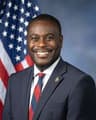 Gabe Amo
Democrat · Rhode Island
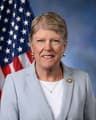 Julia Brownley
Democrat · California
 Donald Beyer
Democrat · Virginia
 Don Bacon
Republican · Nebraska
 Janelle Bynum
Democrat · Oregon
 Troy Carter
Democrat · Louisiana
 Donald Davis
Democrat · North Carolina
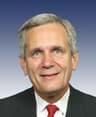 Lloyd Doggett
Democrat · Texas
 Christopher Deluzio
Democrat · Pennsylvania
 Suzan DelBene
Democrat · Washington
 Madeleine Dean
Democrat · Pennsylvania
 Ron Estes
Republican · Kansas
 Cleo Fields
Democrat · Louisiana
 Maxwell Frost
Democrat · Florida
 Vicente Gonzalez
Democrat · Texas
 Josh Gottheimer
Democrat · New Jersey
 Jared Golden
Democrat · Maine
 Adelita Grijalva
Democrat · Arizona
 Steven Horsford
Democrat · Nevada
 Julie Johnson
Democrat · Texas
 Timothy Kennedy
Democrat · New York
 Rick Larsen
Democrat · Washington
 Stephen Lynch
Democrat · Massachusetts
 Tracey Mann
Republican · Kansas
 Gwen Moore
Democrat · Wisconsin
 Grace Meng
Democrat · New York
 Daniel Meuser
Republican · Pennsylvania
 Sarah McBride
Democrat · Delaware
 Eleanor Norton
Democrat · District of Columbia
 Zachary Nunn
Republican · Iowa
 Chellie Pingree
Democrat · Maine
 Mark Pocan
Democrat · Wisconsin
 Jimmy Panetta
Democrat · California
 Deborah Ross
Democrat · North Carolina
 Jamie Raskin
Democrat · Maryland
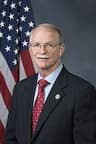 John Rutherford
Republican · Florida
 Linda Sánchez
Democrat · California
 Adrian Smith
Republican · Nebraska
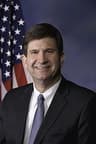 Bradley Schneider
Democrat · Illinois
 Thomas Suozzi
Democrat · New York
 Mary Gay Scanlon
Democrat · Pennsylvania
 Greg Stanton
Democrat · Arizona
 Mike Thompson
Democrat · California
 Glenn Thompson
Republican · Pennsylvania
 Paul Tonko
Democrat · New York
 Rashida Tlaib
Democrat · Michigan
 Shri Thanedar
Democrat · Michigan
 Eugene Vindman
Democrat · Virginia
 James Walkinshaw
Democrat · Virginia