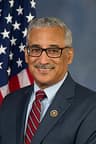
Robert Scott (D-VA)
Equity and Inclusion Enforcement Act of 2025
A Democratic bill with 14 Democratic cosponsors · See all 14 cosponsors
Last activity — Referred to the Committee on the Judiciary, and in addition to the Committee on Education and Workforce, for a period to be subsequently determined by the Speaker, in each case for consideration of such provisions as fall within the jurisdiction of the committee concerned.
In committee
Introduced and handed to a committee in the chamber it started in.
The committee holds it, and most bills are never heard from again. A hearing or a committee vote would be news; silence is the usual outcome, and it kills the bill without anyone voting against it.
Its path through Congress
- Introduced
- In Committee
What this bill would do
This bill is called the Equity and Inclusion Enforcement Act of 2025. It amends title VI of the Civil Rights Act of 1964. The legislation restores the right to individual civil actions in cases involving disparate impact. It requires certain recipients to designate at least one employee to coordinate compliance efforts and handle complaints. Additionally, the bill establishes a Special Assistant for Equity and Inclusion within the Department of Education.
Yes· 3 of 13
- Scored +7
Would Black Americans be better off under this?
The restoration of disparate impact protections is a significant tool for addressing racial disparities in federal programs.
- Scored +7
Would Hispanic Americans be better off under this?
The restoration of disparate impact protections is a significant tool for addressing racial disparities in federal programs.
- Scored +7
Would Asian Americans be better off under this?
The restoration of disparate impact protections is a significant tool for addressing racial disparities in federal programs.
The opposite
No question was scored the opposite.
Who it would affect, and how
Potential Positive Impacts for People
-
Section 2 allows for a private civil cause of action for the enforcement of any regulation relating to disparate impact issued under section 602 that was in effect on January 19, 2025. This gives individuals a clear way to enforce these rules.
-
Section 3 requires each recipient operating an education program or activity receiving Federal financial assistance from the Secretary of Education to designate at least one employee to coordinate compliance efforts and investigate complaints. It also requires these recipients to notify students and employees of the designated employee's contact information. This ensures people know who to contact with complaints.
-
Section 4 creates a Special Assistant for Equity and Inclusion appointed by the Secretary of Education. This person will promote program compliance, inform individuals of their rights, provide technical assistance, and advise the Secretary and Deputy Secretary. This helps keep officials accountable for compliance.
Potential Negative Impacts for People
- The provided text does not contain any specific information about potential negative impacts, consequences, or burdens for individuals or groups of people in the United States.
Groups and Interests Ranking
Every group the model scored this bill for, from -10 to +10. Tap or hover a score for the reason it gave.
- Demographic And Interest Groups
- Would Black Americans be better off under this? — The restoration of disparate impact protections is a significant tool for addressing racial disparities in federal programs. Would Asian Americans be better off under this? — The restoration of disparate impact protections is a significant tool for addressing racial disparities in federal programs. Would Hispanic Americans be better off under this? — The restoration of disparate impact protections is a significant tool for addressing racial disparities in federal programs. Would Native Americans be better off under this? — The restoration of disparate impact protections is a significant tool for addressing racial disparities in federal programs. Would households on low incomes be better off under this? — Disparate impact protections often disproportionately benefit low-income communities facing systemic inequities. Would students be better off under this? — The bill enhances student rights by providing clearer paths to address potential discrimination in educational environments. Would children be better off under this? — Increased civil rights enforcement in education may provide better protections for children in schools. Would people in their twenties and thirties be better off under this? — Increased civil rights enforcement in education may provide better protections for students.
- Governance And Ideology
- Does this make what the government does easier for the public to see? — The bill mandates that educational recipients notify students and employees of designated compliance employees, increasing transparency. Does this give the federal government more power? — The bill increases federal oversight of education programs through the creation of a Special Assistant and enhanced enforcement capabilities. Does this protect the right to fair treatment by the courts? — The bill restores a legal mechanism for individuals to seek judicial relief for disparate impact violations.
- Social Issues And Justice
- Does this narrow racial gaps in how people are treated? — By restoring disparate impact civil actions, the bill strengthens protections against racial discrimination in federally funded education.
- Education And Technology
- Does this make it easier to use public money at a school other than the local one? — The bill improves educational equity and oversight within existing public systems through strengthened civil rights enforcement.
- 8/12/2025
- 1 Cosponsor added.
- 5/23/2025
- Referred to the Committee on the Judiciary, and in addition to the Committee on Education and Workforce, for a period to be subsequently determined by the Speaker, in each case for consideration of such provisions as fall within the jurisdiction of the committee concerned.
- 13 Cosponsors added.
- Introduced in House
 Yassamin Ansari
Democrat · Arizona
 Suzanne Bonamici
Democrat · Oregon
 Joe Courtney
Democrat · Connecticut
 Mark DeSaulnier
Democrat · California
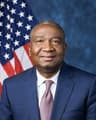 Cleo Fields
Democrat · Louisiana
 Henry Johnson
Democrat · Georgia
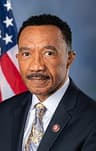 Kweisi Mfume
Democrat · Maryland
 Eleanor Norton
Democrat · District of Columbia
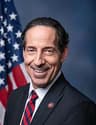 Jamie Raskin
Democrat · Maryland
 Delia Ramirez
Democrat · Illinois
 Rashida Tlaib
Democrat · Michigan
 Shri Thanedar
Democrat · Michigan
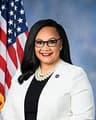 Nikema Williams
Democrat · Georgia
 Frederica Wilson
Democrat · Florida