
A Democratic bill with 78 Democratic cosponsors · See all 78 cosponsors
Last activity — Referred to the Committee on Education and Workforce, and in addition to the Committees on Ways and Means, and the Budget, for a period to be subsequently determined by the Speaker, in each case for consideration of such provisions as fall within the jurisdiction of the committee concerned.
In committee
Introduced and handed to a committee in the chamber it started in.
The committee holds it, and most bills are never heard from again. A hearing or a committee vote would be news; silence is the usual outcome, and it kills the bill without anyone voting against it.
Its path through Congress
- Introduced
- In Committee
What this bill would do
The College for All Act of 2025 amends the Higher Education Act of 1965 to establish federal-state partnerships aimed at eliminating tuition and required fees at public community colleges and certain four-year institutions. It sets up grant programs specifically for private nonprofit Historically Black Colleges and Universities and Minority-Serving Institutions. The bill significantly increases the maximum Federal Pell Grant amount and expands eligibility to include Dreamer students and certain other immigration statuses. Additionally, it increases funding for TRIO, GEAR UP, and institutional support programs for minority-serving institutions. Finally, the legislation provides inclusive student success grants to improve student outcomes and graduation rates.
Yes· 3 of 13
- Scored +10
Would students be better off under this?
The bill focuses on making higher education accessible by eliminating tuition and fees.
- Scored +10
Does this make college cost less?
The bill aims to fully eliminate tuition and fees for eligible students through Federal-State partnerships.
- Scored +9
Would households on low incomes be better off under this?
Increased Pell Grants and tuition elimination significantly benefit low-income students.
The opposite
- Scored -2
Does this leave more decisions to the states?
The bill imposes new federal grant requirements and maintenance of effort obligations on states.
Who it would affect, and how
Potential Positive Impacts for People
-
Elimination of Tuition and Fees: Under Section 101 (adding section 787), the bill ensures that tuition and required fees are fully eliminated for eligible students attending public community colleges and certain working- and middle-class students at public four-year institutions, which can significantly reduce the financial burden of higher education.
-
Pell Grant Increases and Expansion: Under Section 301, the maximum Federal Pell Grant is increased to $14,790 for students attending certain institutions for the 2026-2027 award year, and eligibility is expanded to include Dreamer students and individuals with certain other immigration statuses, providing critical financial support to more students.
-
Support for Private HBCUs and MSIs: Under Section 201 (adding section 796), the bill establishes grant programs for private nonprofit Historically Black Colleges and Universities and Minority-Serving Institutions to eliminate tuition and required fees for eligible students, supporting diverse educational institutions.
-
Inclusive Student Success Grants: Under Section 401 (adding section 801), grants are distributed to eligible states and Tribal Colleges and Universities to fund evidence-based reforms, comprehensive support services, and basic needs assistance, which helps improve student retention and completion rates.
Potential Negative Impacts for People
-
State Share Financial Obligations: Under Section 101 (adding section 786), participating states are required to provide an increasing state share percentage starting in the 2027-2028 award year, which could place fiscal pressure on state budgets.
-
Strict Institutional and Programmatic Restrictions: Under Section 101 (adding section 790), grant recipients are prohibited from using funds for the construction of nonacademic facilities, merit-based student financial aid, or administrator salaries, which limits how institutions can spend these federal and state dollars.
Groups and Interests Ranking
Every group the model scored this bill for, from -10 to +10. Tap or hover a score for the reason it gave.
- Demographic And Interest Groups
- Would students be better off under this? — The bill focuses on making higher education accessible by eliminating tuition and fees. Would households on low incomes be better off under this? — Increased Pell Grants and tuition elimination significantly benefit low-income students. Would Black Americans be better off under this? — The bill provides specific grant programs for historically Black colleges and universities. Would Native Americans be better off under this? — The bill includes significant investments for Tribal colleges and universities. Would people in their twenties and thirties be better off under this? — The bill provides significant financial assistance for college students. Would immigrants be better off under this? — The bill expands Pell Grant eligibility to include Dreamer students and those with certain immigration statuses. Would middle-income households be better off under this? — The bill provides tuition elimination for middle-class students meeting specific income thresholds. Would people with disabilities be better off under this? — The bill mandates specific staffing levels for disability services at participating institutions.
- Social Issues And Justice
- Does this narrow racial gaps in how people are treated? — The bill increases funding and access for minority-serving institutions, including HBCUs and Tribal colleges. Is this likely to lift people out of poverty? — By eliminating tuition and increasing Pell Grant amounts, the bill reduces financial barriers for low-income students. Does this expand the rights of people with disabilities? — The bill mandates specific ratios for disability services at participating institutions.
- Education And Technology
- Does this make college cost less? — The bill aims to fully eliminate tuition and fees for eligible students through Federal-State partnerships.
- Governance And Ideology
- Does this give the federal government more power? — The bill increases federal involvement in state higher education funding and requirements. Does this leave more decisions to the states? — The bill imposes new federal grant requirements and maintenance of effort obligations on states.
- 10/1/2026
- 1 Cosponsor added.
- 9/24/2026
- 1 Cosponsor added.
- 9/21/2026
- 1 Cosponsor added.
- 9/15/2026
- 1 Cosponsor added.
- 8/31/2026
- 1 Cosponsor added.
- 8/20/2026
- 1 Cosponsor added.
- 7/21/2026
- 1 Cosponsor added.
- 7/20/2026
- 2 Cosponsors added.
- 7/16/2026
- 1 Cosponsor added.
- 7/15/2026
- 1 Cosponsor added.
- 7/13/2026
- 1 Cosponsor added.
- 6/8/2026
- 1 Cosponsor added.
- 4/27/2026
- 1 Cosponsor added.
- 3/20/2026
- 1 Cosponsor added.
- 1/30/2026
- 1 Cosponsor added.
- 1/8/2026
- 1 Cosponsor added.
- 12/9/2025
- 1 Cosponsor added.
- 12/2/2025
- 1 Cosponsor added.
- 11/19/2025
- 2 Cosponsors added.
- 11/18/2025
- 1 Cosponsor added.
- 11/7/2025
- 3 Cosponsors added.
- 10/31/2025
- 1 Cosponsor added.
- 10/17/2025
- 3 Cosponsors added.
- 8/29/2025
- 1 Cosponsor added.
- 8/26/2025
- 3 Cosponsors added.
- 8/15/2025
- 1 Cosponsor added.
- 8/8/2025
- 1 Cosponsor added.
- 7/15/2025
- 1 Cosponsor added.
- 7/14/2025
- 1 Cosponsor added.
- 6/17/2025
- 1 Cosponsor added.
- 6/13/2025
- 1 Cosponsor added.
- 6/11/2025
- 1 Cosponsor added.
- 6/10/2025
- 1 Cosponsor added.
- 6/9/2025
- 1 Cosponsor added.
- 6/4/2025
- 2 Cosponsors added.
- 6/3/2025
- 5 Cosponsors added.
- 5/29/2025
- 3 Cosponsors added.
- 5/21/2025
- Referred to the Committee on Education and Workforce, and in addition to the Committees on Ways and Means, and the Budget, for a period to be subsequently determined by the Speaker, in each case for consideration of such provisions as fall within the jurisdiction of the committee concerned.
- 26 Cosponsors added.
- Introduced in House
One bill Congress.gov lists as related to this one — companions in the other chamber, earlier versions, and bills this one absorbed or was folded into.
 Alma Adams
Democrat · North Carolina
 Yassamin Ansari
Democrat · Arizona
 Nanette Barragán
Democrat · California
 Becca Balint
Democrat · Vermont
 Wesley Bell
Democrat · Missouri
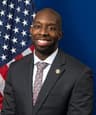 Everton Blair
Democrat · Georgia
 Yvette Clarke
Democrat · New York
 Judy Chu
Democrat · California
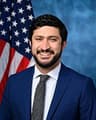 Greg Casar
Democrat · Texas
 Danny Davis
Democrat · Illinois
 Mark DeSaulnier
Democrat · California
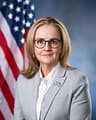 Madeleine Dean
Democrat · Pennsylvania
 Maxine Dexter
Democrat · Oregon
 Dwight Evans
Democrat · Pennsylvania
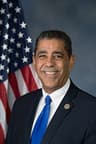 Adriano Espaillat
Democrat · New York
 Veronica Escobar
Democrat · Texas
 Cleo Fields
Democrat · Louisiana
 Maxwell Frost
Democrat · Florida
 Valerie Foushee
Democrat · North Carolina
 Laura Friedman
Democrat · California
 Al Green
Democrat · Texas
 John Garamendi
Democrat · California
 Jimmy Gomez
Democrat · California
 Jesús García
Democrat · Illinois
 Sylvia Garcia
Democrat · Texas
 Robert Garcia
Democrat · California
 Daniel Goldman
Democrat · New York
 Adelita Grijalva
Democrat · Arizona
 Jahana Hayes
Democrat · Connecticut
 Henry Johnson
Democrat · Georgia
 Jonathan Jackson
Democrat · Illinois
 Robin Kelly
Democrat · Illinois
 Ro Khanna
Democrat · California
 Raja Krishnamoorthi
Democrat · Illinois
 Ted Lieu
Democrat · California
 Summer Lee
Democrat · Pennsylvania
 George Latimer
Democrat · New York
 James McGovern
Democrat · Massachusetts
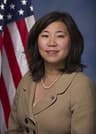 Grace Meng
Democrat · New York
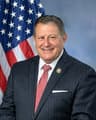 Joseph Morelle
Democrat · New York
 Morgan McGarvey
Democrat · Kentucky
 Seth Magaziner
Democrat · Rhode Island
 Kevin Mullin
Democrat · California
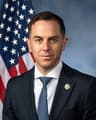 Robert Menendez
Democrat · New Jersey
 LaMonica McIver
Democrat · New Jersey
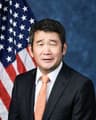 Dave Min
Democrat · California
 Christian Menefee
Democrat · Texas
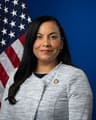 Analilia Mejia
Democrat · New Jersey
 Jerrold Nadler
Democrat · New York
 Eleanor Norton
Democrat · District of Columbia
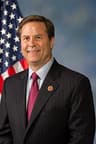 Donald Norcross
Democrat · New Jersey
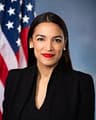 Alexandria Ocasio-Cortez
Democrat · New York
 Ilhan Omar
Democrat · Minnesota
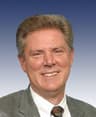 Frank Pallone
Democrat · New Jersey
 Chellie Pingree
Democrat · Maine
 Mark Pocan
Democrat · Wisconsin
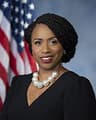 Ayanna Pressley
Democrat · Massachusetts
 Delia Ramirez
Democrat · Illinois
 Luz Rivas
Democrat · California
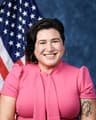 Emily Randall
Democrat · Washington
 Janice Schakowsky
Democrat · Illinois
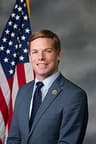 Eric Swalwell
Democrat · California
 Darren Soto
Democrat · Florida
 Melanie Stansbury
Democrat · New Mexico
 Andrea Salinas
Democrat · Oregon
 Lateefah Simon
Democrat · California
 Bennie Thompson
Democrat · Mississippi
 Mark Takano
Democrat · California
 Rashida Tlaib
Democrat · Michigan
 Ritchie Torres
Democrat · New York
 Jill Tokuda
Democrat · Hawaii
 Shri Thanedar
Democrat · Michigan
 Nydia Velázquez
Democrat · New York
 Juan Vargas
Democrat · California
 Maxine Waters
Democrat · California
 Nikema Williams
Democrat · Georgia
 Frederica Wilson
Democrat · Florida
 Bonnie Watson Coleman
Democrat · New Jersey