Alma Adams (D-NC)
Real Education and Access for Healthy Youth Act of 2025
A Democratic bill with 24 Democratic cosponsors · See all 24 cosponsors
Last activity — Referred to the Committee on Education and Workforce, and in addition to the Committee on Energy and Commerce, for a period to be subsequently determined by the Speaker, in each case for consideration of such provisions as fall within the jurisdiction of the committee concerned.
In committee
Introduced and handed to a committee in the chamber it started in.
The committee holds it, and most bills are never heard from again. A hearing or a committee vote would be news; silence is the usual outcome, and it kills the bill without anyone voting against it.
Its path through Congress
- Introduced
- In Committee
What this bill would do
The Real Education and Access for Healthy Youth Act of 2025 aims to improve the health and well-being of young people through comprehensive sex education and sexual health services. It establishes various grant programs for elementary and secondary schools, institutions of higher education, educator training, and underserved youth. The bill focuses on providing evidence-informed, medically accurate, and culturally responsive information regarding topics like pregnancy, STIs, and consent. It specifically seeks to redress inequities and support underserved communities that have been historically impacted by systemic oppression. Additionally, the act mandates impact evaluations and reporting to ensure accountability.
Yes· 3 of 28
- Scored +9
Would people in their twenties and thirties be better off under this?
The bill specifically targets the health and well-being of people aged 10 through 29.
- Scored +9
Would LGBTQ people be better off under this?
The bill provides specific protections and information regarding gender identity and sexual orientation.
- Scored +8
Would Native Americans be better off under this?
The bill provides priority for Tribal organizations, Tribal Colleges, and Alaska Native-serving institutions.
The opposite
No question was scored the opposite.
Who it would affect, and how
Potential Positive Impacts for People
-
Empowerment of Young People: The bill seeks to provide information that empowers young people to make decisions about their bodies, health, sexuality, families, and communities (Section 2(a)(1)).
-
Improved Health Information: It provides specific information regarding the prevention, treatment, and care of pregnancy, sexually transmitted infections, and interpersonal violence (Section 2(a)(3)).
-
Support for Underserved Communities: The act aims to redress inequities in the delivery of sex education and sexual health services to underserved young people (Section 2(a)(7)).
-
Educational Access for Higher Education Students: Through grants, institutions of higher education can integrate sex education into student orientation, general education, or through innovative technology-based approaches (Section 5(e)).
-
Enhanced Educator Quality: The bill authorizes grants for professional development and training to increase the effective teaching of sex education (Section 6(a)).
-
Increased Access to Services: Grants are authorized to help youth-serving organizations establish or modify service delivery to increase sexual health services for underserved young people (Section 7(e)(2)).
Potential Negative Impacts for People
- No specific negative consequences are explicitly listed in the text.
Groups and Interests Ranking
Every group the model scored this bill for, from -10 to +10. Tap or hover a score for the reason it gave.
- Demographic And Interest Groups
- Would LGBTQ people be better off under this? — The bill provides specific protections and information regarding gender identity and sexual orientation. Would people in their twenties and thirties be better off under this? — The bill specifically targets the health and well-being of people aged 10 through 29. Would Native Americans be better off under this? — The bill provides priority for Tribal organizations, Tribal Colleges, and Alaska Native-serving institutions. Would Black Americans be better off under this? — The bill includes specific mentions of addressing the historical oppression and current needs of Black communities. Would Asian Americans be better off under this? — The bill includes support for Asian American-serving institutions and underserved communities of color. Would Hispanic Americans be better off under this? — The bill provides priority for Hispanic-serving institutions and addresses the needs of Latine youth. Would households on low incomes be better off under this? — The bill prioritizes services for underserved young people, including those from low-income families. Would women be better off under this? — The bill includes services related to pregnancy, contraception, and gynecological care. Would children be better off under this? — The bill provides sex education for those starting at age 10. Would immigrants be better off under this? — The bill includes services and protections for underserved young people, including immigrants. Would people with disabilities be better off under this? — The bill aims to serve young people of all physical and mental abilities. Would people in rural areas be better off under this? — The bill explicitly includes rural-dwelling young people as part of its underserved demographic.
- Social Issues And Justice
- Does this expand the rights of LGBTQ people? — The bill explicitly includes information on gender identity and gender expression and protects against discrimination based on sexual orientation. Does this narrow racial gaps in how people are treated? — The bill aims to redress historical inequities and provides support specifically for underserved communities of color. Does this narrow the gap between how men and women are treated? — The bill promotes gender equity and inclusive information for diverse gender identities. Does this expand the rights of people with disabilities? — The bill includes protections and services intended to reach young people with disabilities. Is this likely to lift people out of poverty? — The bill targets support toward underserved populations, which includes those from low-income families. Is this likely to reduce homelessness? — The bill includes support for services that reach young people experiencing homelessness.
- Healthcare
- Does this make health care easier to get in general? — The bill increases access to sexual health services, including contraception and gynecological care, for underserved youth. Does this make mental health care easier to get? — The bill authorizes funds for substance use and mental health services as part of sexual health services. Does this put more money into medical research? — The bill funds research on effective sex education teaching practices and impact evaluations.
- Education And Technology
- Does this put more money into public schools? — The bill provides competitive grants to local educational agencies for sex education. Does this put more money into scientific research? — The bill funds research into effective sex education and assessment strategies. Does this make college cost less? — The bill provides grants to institutions of higher education to integrate sex education into student life.
- Governance And Ideology
- Does this make what the government does easier for the public to see? — The bill requires annual reports to Congress and makes impact evaluations publicly available. Does this protect people from being watched or searched? — The bill emphasizes the need for confidential sexual health services. Does this give the federal government more power? — The bill increases federal involvement in education and health through grant administration and reporting.
- Environment Energy And Infrastructure
- Does this invest in rural communities? — The bill includes provisions to assist young people living in rural areas.
- 8/20/2026
- 1 Cosponsor added.
- 6/2/2026
- 1 Cosponsor added.
- 5/13/2026
- 3 Cosponsors added.
- 10/8/2025
- 1 Cosponsor added.
- 6/24/2025
- 1 Cosponsor added.
- 6/5/2025
- 8 Cosponsors added.
- 6/4/2025
- 5 Cosponsors added.
- 5/21/2025
- Referred to the Committee on Education and Workforce, and in addition to the Committee on Energy and Commerce, for a period to be subsequently determined by the Speaker, in each case for consideration of such provisions as fall within the jurisdiction of the committee concerned.
- 4 Cosponsors added.
- Introduced in House
One bill Congress.gov lists as related to this one — companions in the other chamber, earlier versions, and bills this one absorbed or was folded into.
 Suzanne Bonamici
Democrat · Oregon
 Joyce Beatty
Democrat · Ohio
 Julia Brownley
Democrat · California
 Donald Beyer
Democrat · Virginia
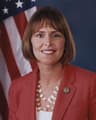 Kathy Castor
Democrat · Florida
 Steve Cohen
Democrat · Tennessee
 Judy Chu
Democrat · California
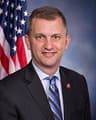 Sean Casten
Democrat · Illinois
 Danny Davis
Democrat · Illinois
 Suzan DelBene
Democrat · Washington
 Madeleine Dean
Democrat · Pennsylvania
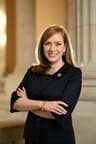 Lizzie Fletcher
Democrat · Texas
 Adelita Grijalva
Democrat · Arizona
 Pramila Jayapal
Democrat · Washington
 Summer Lee
Democrat · Pennsylvania
 Eleanor Norton
Democrat · District of Columbia
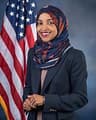 Ilhan Omar
Democrat · Minnesota
 Mark Pocan
Democrat · Wisconsin
 Mike Quigley
Democrat · Illinois
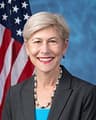 Deborah Ross
Democrat · North Carolina
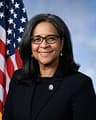 Marilyn Strickland
Democrat · Washington
 Terri Sewell
Democrat · Alabama
 Paul Tonko
Democrat · New York
 Rashida Tlaib
Democrat · Michigan