
Janice Schakowsky (D-IL)
Nurse Staffing Standards for Hospital Patient Safety and Quality Care Act of 2025
A Democratic bill with 49 Democratic cosponsors · See all 49 cosponsors
Last activity — Referred to the Committee on Energy and Commerce, and in addition to the Committee on Ways and Means, for a period to be subsequently determined by the Speaker, in each case for consideration of such provisions as fall within the jurisdiction of the committee concerned.
In committee
Introduced and handed to a committee in the chamber it started in.
The committee holds it, and most bills are never heard from again. A hearing or a committee vote would be news; silence is the usual outcome, and it kills the bill without anyone voting against it.
Its path through Congress
- Introduced
- In Committee
What this bill would do
This bill, known as the "Nurse Staffing Standards for Hospital Patient Safety and Quality Care Act of 2025," seeks to amend the Public Health Service Act. It establishes specific minimum direct care registered nurse-to-patient staffing ratios for various hospital units. Hospitals will be required to implement and follow a formal staffing plan that meets these requirements. The bill also includes provisions for establishing minimum staffing requirements for licensed practical nurses. Additionally, it creates a nurse workforce initiative that includes scholarship, stipend, and retention grants. Finally, the act provides for the enforcement of these standards through various federal programs.
Yes· 3 of 18
- Scored +6
Would union members be better off under this?
The bill enhances nurse protections against retaliation and supports collective bargaining.
- Scored +6
Does this make health care easier to get in general?
Mandatory staffing ratios are intended to improve the quality and safety of healthcare delivery.
- Scored +5
Would Native Americans be better off under this?
The bill extends staffing protections to Indian Health Services programs.
The opposite
- Scored -5
Would business owners be better off under this?
Hospital owners face new regulatory burdens and potential civil penalties.
- Scored -4
Does this lower what a hospital stay costs?
Hospitals face increased costs due to mandatory staffing ratios and potential civil penalties.
Who it would affect, and how
Potential Positive Impacts for People
-
Improved Patient Outcomes and Safety: The bill aims to protect patient safety and reduce medical errors by establishing adequate minimum staffing ratios (Section 1(c)(2), Section 2(a)(1)(A)).
-
Enhanced Nurse Retention and Recruitment: Establishing these ratios is intended to help address the registered nurse shortage by aiding in recruitment and improving retention for nurses considering leaving direct care (Section 1(c)(5)).
-
Standardized Care Ratios: Patients will benefit from specific maximum ratios based on their unit, such as one patient for trauma emergency units or two patients for critical care units (Section 2(b)(1)).
-
Nurse Protections and Rights: Nurses are granted the right to object to or refuse assignments if they believe it violates staffing standards or if they lack the necessary competence to ensure patient safety (Section 2(b)(3)(A-B), Section 3405(b-c)).
-
Protection Against Retaliation: The bill prohibits hospitals from discharging, discriminating against, or retaliating against nurses who refuse an assignment based on safety or competence concerns (Section s 3405(d)).
-
Increased Support for Nursing Education: The nurse workforce initiative expands the availability of scholarships, stipends, and grants for nurse retention, including preceptorship and mentorship projects (Section 4).
Potential Negative Impacts for People
-
Compliance Costs for Hospitals: Hospitals must implement staffing plans and may face additional costs associated with meeting the new minimum ratios (Section 2(a), Section s 3404).
-
Potential Financial Penalties: Hospitals found in knowing violation of the title may face civil money penalties of up to $25,000 for the first violation and up to $50,000 for subsequent violations (Section 3406(d)(1)(A)).
-
Individual Liability for Nurses: Individuals who knowingly violate the requirements of this title may face civil money penalties of up to $20,000 (Section 3406(d)(1)(B)).
Groups and Interests Ranking
Every group the model scored this bill for, from -10 to +10. Tap or hover a score for the reason it gave.
- Demographic And Interest Groups
- Would union members be better off under this? — The bill enhances nurse protections against retaliation and supports collective bargaining. Would Native Americans be better off under this? — The bill extends staffing protections to Indian Health Services programs. Would students be better off under this? — The bill provides scholarships, stipends, and preceptorship support for nursing students. Would veterans be better off under this, taking everything together? — The bill mandates staffing standards for VA medical facilities. Would children be better off under this? — Improved pediatric staffing standards benefit children in hospital units. Would people over 65 be better off under this? — Improved staffing for acute care units benefits elderly patients. Would people in rural areas be better off under this? — The bill provides rural hospitals with additional time to implement required staffing plans. Would business owners be better off under this? — Hospital owners face new regulatory burdens and potential civil penalties.
- Healthcare
- Does this make health care easier to get in general? — Mandatory staffing ratios are intended to improve the quality and safety of healthcare delivery. Does this help veterans get medical care? — The bill extends staffing requirements to Department of Veterans Affairs medical facilities. Does this put more money into Medicaid, the health coverage for people on low incomes? — The bill provides for payment adjustments to hospitals to ensure compliance with staffing standards. Does this put more money into Medicare, the health coverage for people over 65? — The bill adjusts Medicare reimbursement to cover additional costs of staffing requirements. Does this lower what a hospital stay costs? — Hospitals face increased costs due to mandatory staffing ratios and potential civil penalties.
- Economy And Finance
- Does this strengthen the rights of workers to organise? — The bill protects collective bargaining rights and specifies nursing participation in staffing committees. Does this give people more protection from unfair business practices? — Increased hospital oversight serves to protect patients receiving health services. Is this likely to create jobs? — The bill aims to address the nursing shortage through recruitment and retention initiatives.
- Governance And Ideology
- Does this give the federal government more power? — The bill expands federal oversight and enforcement of hospital staffing through the Secretary. Does this make what the government does easier for the public to see? — The bill requires hospitals to make staffing documentation and violation records available to the public.
- National Security And Foreign Policy
- Does this increase the pay, pensions or support veterans receive? — The bill mandates staffing standards for Department of Defense medical facilities.
- Environment Energy And Infrastructure
- Does this invest in rural communities? — The bill provides extended timelines for rural hospitals to implement these mandates.
- 8/17/2026
- 1 Cosponsor added.
- 8/6/2026
- 1 Cosponsor added.
- 7/20/2026
- 2 Cosponsors added.
- 6/29/2026
- 1 Cosponsor added.
- 6/23/2026
- 1 Cosponsor added.
- 6/18/2026
- 1 Cosponsor added.
- 6/9/2026
- 1 Cosponsor added.
- 5/11/2026
- 1 Cosponsor added.
- 4/14/2026
- 1 Cosponsor added.
- 4/9/2026
- 1 Cosponsor added.
- 3/16/2026
- 4 Cosponsors added.
- 12/17/2025
- 2 Cosponsors added.
- 11/19/2025
- 1 Cosponsor added.
- 11/12/2025
- 1 Cosponsor added.
- 10/6/2025
- 4 Cosponsors added.
- 7/16/2025
- 9 Cosponsors added.
- 5/14/2025
- Referred to the Committee on Energy and Commerce, and in addition to the Committee on Ways and Means, for a period to be subsequently determined by the Speaker, in each case for consideration of such provisions as fall within the jurisdiction of the committee concerned.
- 17 Cosponsors added.
- Introduced in House
One bill Congress.gov lists as related to this one — companions in the other chamber, earlier versions, and bills this one absorbed or was folded into.
 Suzanne Bonamici
Democrat · Oregon
 Julia Brownley
Democrat · California
 Nanette Barragán
Democrat · California
 Yvette Clarke
Democrat · New York
 Steve Cohen
Democrat · Tennessee
 Judy Chu
Democrat · California
 Greg Casar
Democrat · Texas
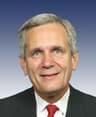 Lloyd Doggett
Democrat · Texas
 Christopher Deluzio
Democrat · Pennsylvania
 Debbie Dingell
Democrat · Michigan
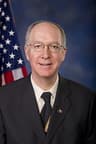 Bill Foster
Democrat · Illinois
 Maxwell Frost
Democrat · Florida
 Jimmy Gomez
Democrat · California
 Adelita Grijalva
Democrat · Arizona
 Jared Huffman
Democrat · California
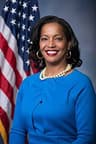 Jahana Hayes
Democrat · Connecticut
 Josh Harder
Democrat · California
 Pramila Jayapal
Democrat · Washington
 Jonathan Jackson
Democrat · Illinois
 Robin Kelly
Democrat · Illinois
 Ro Khanna
Democrat · California
 Raja Krishnamoorthi
Democrat · Illinois
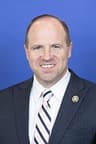 Timothy Kennedy
Democrat · New York
 Ted Lieu
Democrat · California
 James McGovern
Democrat · Massachusetts
 Betty McCollum
Democrat · Minnesota
 LaMonica McIver
Democrat · New Jersey
 Eleanor Norton
Democrat · District of Columbia
 Alexandria Ocasio-Cortez
Democrat · New York
 Ilhan Omar
Democrat · Minnesota
 Chellie Pingree
Democrat · Maine
 Mark Pocan
Democrat · Wisconsin
 Ayanna Pressley
Democrat · Massachusetts
 Mike Quigley
Democrat · Illinois
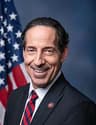 Jamie Raskin
Democrat · Maryland
 Delia Ramirez
Democrat · Illinois
 Emily Randall
Democrat · Washington
 Brad Sherman
Democrat · California
 Melanie Stansbury
Democrat · New Mexico
 Emilia Sykes
Democrat · Ohio
 Lateefah Simon
Democrat · California
 Bennie Thompson
Democrat · Mississippi
 Dina Titus
Democrat · Nevada
 Mark Takano
Democrat · California
 Rashida Tlaib
Democrat · Michigan
 Ritchie Torres
Democrat · New York
 Shri Thanedar
Democrat · Michigan
 Juan Vargas
Democrat · California
 Maxine Waters
Democrat · California