
A Democratic bill with 2 Republican cosponsors · See all 2 cosponsors
Last activity — Referred to the House Committee on Energy and Commerce.
In committee
Introduced and handed to a committee in the chamber it started in.
The committee holds it, and most bills are never heard from again. A hearing or a committee vote would be news; silence is the usual outcome, and it kills the bill without anyone voting against it.
Its path through Congress
- Introduced
- In Committee
What this bill would do
H.R. 3260, also known as the "Mental Health Improvement Act," amends the Public Health Service Act to reauthorize mental and behavioral health education and training grants. It extends the availability of these grants by changing the covered fiscal years. Specifically, it shifts the authorization from fiscal years 2023-2027 to fiscal years 2026-2030.
Potential Positive Impacts for People
- Reauthorization of Mental and Behavioral Health Education and Training Grants (Section 2): Extending these grants through 2030 can help ensure continued funding for programs that educate and train professionals in the mental and behavioral health fields. This could lead to a larger and better-trained workforce, improving access to mental health services for people who need them.
Potential Negative Impacts for People
- Shift in Fiscal Years (Section 2): By changing the authorization from 2023-2027 to 2026-2030, there might be a gap in funding between 2023-2025. This could negatively impact existing mental and behavioral health education and training programs that were relying on funding during those years.
Yes· 3 of 13
- Scored +6
Does this make mental health care easier to get?
By reauthorizing and extending mental and behavioral health education and training grants, the bill helps expand the workforce and improve access to mental health services.
- Scored +5
Does this make health care easier to get in general?
The extension of training grants contributes to an overall strengthening of the healthcare workforce available to the public.
- Scored +3
Would children be better off under this?
Improved access to mental health professionals can benefit children requiring behavioral support.
The opposite
No question was scored the opposite.
Groups and Interests Ranking
Every group the model scored this bill for, from -10 to +10. Tap or hover a score for the reason it gave.
- Demographic And Interest Groups
- Would children be better off under this? — Improved access to mental health professionals can benefit children requiring behavioral support. Would households on low incomes be better off under this? — Low-income households often rely on public health initiatives and improved community mental health services. Would people in their twenties and thirties be better off under this? — Young adults often face mental health challenges and can benefit from an expanded provider network. Would Black Americans be better off under this? — Expansions in community mental health resources can help address healthcare disparities in minority communities. Would Hispanic Americans be better off under this? — Increased availability of trained mental health professionals can improve access for Hispanic communities. Would people in middle age be better off under this? — Middle-aged individuals can experience better access to mental health counseling services. Would middle-income households be better off under this? — Middle-class households gain broader availability of mental health professionals. Would people over 65 be better off under this? — Seniors can benefit from better-trained mental health professionals addressing aging-related psychological needs. Would Asian Americans be better off under this? — Broad mental health workforce improvements can positively impact Asian American communities seeking care.
- Healthcare
- Does this make mental health care easier to get? — By reauthorizing and extending mental and behavioral health education and training grants, the bill helps expand the workforce and improve access to mental health services. Does this make health care easier to get in general? — The extension of training grants contributes to an overall strengthening of the healthcare workforce available to the public. Does this do more about addiction and overdose deaths? — Enhanced mental and behavioral health training can indirectly support better responses to substance use and crisis interventions.
- Economy And Finance
- Is this likely to create jobs? — The bill supports the education and training of mental health professionals, which can foster job growth in the healthcare sector.
- 7/2/2025
- 1 Cosponsor added.
- 5/7/2025
- Sponsor introductory remarks on measure. (CR H1896)
- Referred to the House Committee on Energy and Commerce.
- 1 Cosponsor added.
- Introduced in House
One bill Congress.gov lists as related to this one — companions in the other chamber, earlier versions, and bills this one absorbed or was folded into.
 Brian Fitzpatrick
Republican · Pennsylvania
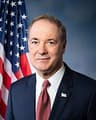 John Joyce
Republican · Pennsylvania