
Trent Kelly (R-MS)
SHIPS for America Act of 2025
A Republican bill with 78 Democratic cosponsors · See all 146 cosponsors
Last activity — Referred to the Subcommittee on Coast Guard and Maritime Transportation.
In committee
Introduced and handed to a committee in the chamber it started in.
The committee holds it, and most bills are never heard from again. A hearing or a committee vote would be news; silence is the usual outcome, and it kills the bill without anyone voting against it.
Its path through Congress
- Introduced
- In Committee
What this bill would do
The SHIPS for America Act of 2025 aims to bolster national defense and economic security by supporting United States vessels, ports, shipyards, and the maritime workforce. It establishes a Maritime Security Board and a Maritime Security Advisor to oversee national maritime strategy and policy. The legislation introduces a Strategic Commercial Fleet to maintain a United States presence in international shipping and creates a Maritime Security Trust Fund for various programs. It implements strict cargo preference requirements, including rules for importing goods from China on American ships. Additionally, the bill provides significant workforce development through loan forgiveness, educational assistance, and modernization of maritime academies. Finally, it introduces a process for designating up to 100 maritime prosperity zones to drive regional economic growth.
Yes· 3 of 47
- Scored +8
Would business owners be better off under this?
Provides significant capital support, operating payments, and investment tax credits for ship owners and builders.
- Scored +8
Would students be better off under this?
Expands scholarships, loan forgiveness, and funding for maritime academies.
- Scored +8
Is this likely to create jobs?
Promotes domestic shipbuilding and maritime workforce growth through financial incentives and industrial investment.
The opposite· 3 of 10
- Scored -6
Does this reduce what is spent on the military?
Increases spending for strategic sealift, national defense reserve fleets, and maritime defense capabilities.
- Scored -5
Does this reduce what the federal government spends?
Increases federal spending on shipbuilding incentives, workforce training, and the Maritime Security Trust Fund.
- Scored -5
Does this leave more decisions to the states?
Centralizes maritime and shipping authority within federal agencies like the Maritime Administration.
Who it would affect, and how
Potential Positive Impacts for People
-
Workforce Incentives: Merchant mariners can receive public service loan forgiveness (Sec. 601) and may be eligible for educational assistance if they served as full-time, credentialed mariners for at least 10 years (Sec. 602).
-
Support for Maritime Academies: The bill authorizes funds for infrastructure and facilities modernization at the United States Merchant Marine Academy (Sec. 621) and provides fuel funding for training ships at State maritime academies (Sec. 626).
-
Job Creation and Training: The bill promotes workforce recruitment (Sec. 611), establishes Centers of Excellence for Domestic Maritime Workforce Training and Education (Sec. 612), and creates a Maritime Career and Technical Education Advisory Committee to develop training best practices (Sec. 613).
-
Financial Support for Small Businesses: Assistance is provided specifically for small shipyards to support long-term industrial base growth (Sec. 502).
-
Spousal Support: A program offers reimbursement for qualifying spouse relicensing and business costs when a merchant mariner relocates due to service in certain reserve components (Sec. 604).
-
Advanced Training Opportunities: Officers and unlicensed mariners may receive instruction at the Naval Postgraduate School at no cost to them (Sec. 603).
-
Career Stability and Transition: The United States Merchant Marine Career Retention Program helps qualified mariners maintain credentials while working ashore (Sec. 606).
-
Increased Employment and Training Opportunities: Financial assistance is provided for qualified shipyard investments that include commitments to worker and community investment (Section 501(c)(2)(C)).
-
Support for Domestic Industry and Infrastructure: The Ship America Office aims to facilitate the movement of commercial cargo on United States vessels (Section s 422(b)(1)).
-
Advancing Maritime Technology: The United States Center for Maritime Innovation aims to accelerate the adoption of new technologies (Section 521(a)(2)(B)).
-
Improved Career Competitiveness: Government merchant mariners may see increased paid leave accrual to make seafaring more competitive (Section 513(a)).
-
Economic Designations: The bill establishes a process to designate census tracts as maritime prosperity zones (Section 2).
Potential Negative Impacts for People
-
Increased Costs via Taxes: The bill implements regular tonnage taxes and penalty rates for vessels associated with foreign shipyards of concern (Sec. 202).
-
Increased Duties: There is a higher duty rate of 200 percent for vessel repairs made in a foreign country of concern (Sec. 404).
-
Restrictions on Vessel Operations: Vessels in the Strategic Commercial Fleet are permanently ineligible for coastwise trade (Sec. 53603).
-
Increased Costs for Importers: Requirements to import a specific percentage of goods manufactured in the People's Republic of China on United States vessels may impact shippers and importers (Section 415(a)).
-
Financial Penalties for Non-Compliance: Entities failing to comply with China importation requirements are subject to annual fines (Section 415(d)(1)).
-
Potential Cost Increases for Energy Exports: Requirements to transport natural gas and crude oil on specific United States vessels could impact the energy export industry (Sections 420(a)(1) and 420(b)(1)).
-
Employment Restrictions for Cargo Handling: Withdrawals from capital construction funds may be prohibited for purchasing fully automated cargo handling equipment if it results in a net loss of jobs (Section 707).
-
Increased Oversight and Penalties: Under the Career Retention Program, non-compliant members may have reservist status terminated and forfeit employment protections (Section s 606).
-
Service Obligations: Students benefiting from certain scholarships or incentive payments must enter into service commitment agreements (Section 627).
-
Limited Number of Designations: The designation of maritime prosperity zones is capped at 100 census tracts (Section 3).
-
Fixed Duration of Designation: The status of a maritime prosperity zone lasts for only five calendar years (Section 4).
Groups and Interests Ranking
Every group the model scored this bill for, from -10 to +10. Tap or hover a score for the reason it gave.
- Demographic And Interest Groups
- Would business owners be better off under this? — Provides significant capital support, operating payments, and investment tax credits for ship owners and builders. Would students be better off under this? — Expands scholarships, loan forgiveness, and funding for maritime academies. Would veterans be better off under this, taking everything together? — Provides extensive educational assistance, transition support, and employment pathways for transitioning servicemembers. Would people in their twenties and thirties be better off under this? — Provides loan forgiveness, scholarships, and tax-exempt incentive payments for new mariners. Would billionaires be better off under this? — Creates high-value investment opportunities and substantial tax savings for owners of large shipping fleets. Would people with substantial wealth be better off under this? — Ability to utilize opportunity zone tax benefits for maritime investments. Would the very wealthiest people be better off under this? — High-value tax credits for shipbuilding are geared toward large-scale capital investors. Would union members be better off under this? — Strongly favors US-built and US-crewed vessels, increasing demand for unionized maritime labor. Would households on low incomes be better off under this? — Focuses workforce training, opportunity zones, and scholarships on economically disadvantaged individuals. Would people in middle age be better off under this? — Creates industrial jobs in shipbuilding and operational roles for experienced workers. Would farmers be better off under this? — Addresses financing and ensures priority for the transportation of agricultural products. Would high-income households be better off under this? — Offers tax credits for vessel and shipyard investments. Would middle-income households be better off under this? — Provides educational benefits and employment opportunities in the maritime sector. Would people in rural areas be better off under this? — Supports coastal rural development via shipyard and port improvements. Would people in cities be better off under this? — Invests in port infrastructure and urban maritime hubs via prosperity zones. Would Black Americans be better off under this? — Includes mandates for programs targeting economically disadvantaged individuals. Would children be better off under this? — Encourages early maritime education and youth involvement through K-12 engagement. Would Hispanic Americans be better off under this? — Includes mandates for programs targeting economically disadvantaged individuals. Would men be better off under this? — Creates numerous jobs and training opportunities in a traditionally male-dominated sector. Would retired people be better off under this? — Provides retirement service credit for certain former students. Would people over 65 be better off under this? — Provides retirement service credit for former USMMA midshipmen. Would women be better off under this? — Requires athletic facilities at the USMMA to meet the needs of both male and female students. Would people with disabilities be better off under this? — Ensures ADA accessibility for updated USMMA facilities. Would immigrants be better off under this? — Increases restrictions and penalties for foreign entities of concern.
- Education And Technology
- Does this reduce what student borrowers owe or repay? — Offers specific loan forgiveness for the maritime workforce and adds these roles as eligible for PSLF. Does this put more money into scientific research? — Creates the Center for Maritime Innovation and the National Shipbuilding Research Program. Does this make college cost less? — Provides scholarships and public service loan forgiveness for Merchant Marines and shipyard workers. Does this get reliable internet to more people? — Addresses preparedness for repairing transoceanic submarine fiber optic cables. Does this make patent and copyright rules fairer? — Creates mechanisms for licensing federal intellectual property to maritime innovation partnerships.
- Economy And Finance
- Is this likely to create jobs? — Promotes domestic shipbuilding and maritime workforce growth through financial incentives and industrial investment. Does this make it easier to run a small business? — Specifically allocates $100 million annually to support small shipyards and provides investment tax credits. Is this likely to grow the economy? — Aims to revitalize the domestic maritime industry, reduce dependence on foreign shipping, and improve trade infrastructure. Does this cut taxes for small businesses? — Provides tax incentives for shipyard construction and specific support for small shipyards. Does this strengthen the rights of workers to organise? — Explicitly includes maritime labor organizations in the coordination of retention programs and advisory committees. Does this cut the tax on profits from selling investments? — Treats maritime prosperity zones as opportunity zones, allowing for potential capital gains tax deferral. Does this reduce what the federal government spends? — Increases federal spending on shipbuilding incentives, workforce training, and the Maritime Security Trust Fund. Does this reduce what the federal government owes? — Authorizes significant new spending for the Strategic Commercial Fleet and creates multiple tax credits that reduce federal revenue. Does this give people more protection from unfair business practices? — Cargo requirements and foreign vessel penalties may lead to higher costs for imported goods. Does this make the government pay for what it commits to? — Increases federal financial commitments and loan guarantees without specified funding offsets. Does this raise the taxes companies pay? — While imposing penalties on foreign entities of concern, the bill provides substantial tax credits for US vessel and shipyard investments, reducing overall corporate liability for the maritime sector.
- National Security And Foreign Policy
- Does this strengthen ties with allied countries? — Promotes capital flow to treaty allies, coordinates cable repair, and creates international exchange programs for mariners. Does this increase the pay, pensions or support veterans receive? — Provides educational assistance and transition support for veteran mariners, including those serving in combat zones. Does this better protect the country from computer attacks? — Tasks the Maritime Security Board with protecting vessels from cybersecurity threats and addresses data sharing risks linked to the CCP. Does this make trade with other countries easier? — Modernizes port infrastructure and shipping capacity to support foreign trade, despite some restrictions on foreign entities of concern. Does this reduce what is spent on the military? — Increases spending for strategic sealift, national defense reserve fleets, and maritime defense capabilities.
- Environment Energy And Infrastructure
- Does this put more money into wind, solar and other renewable power? — Supports research into clean fuels and advanced nuclear energy for maritime use. Does this invest in rural communities? — Invests in port and harbor infrastructure which often benefits coastal rural areas. Does this cut the pollution that drives climate change? — Establishes a Center for Maritime Innovation to develop low-emission technologies and carbon capture solutions. Does this reduce how much oil, gas and coal is produced? — Creates mandates and incentives specifically for the export of crude oil and natural gas.
- Social Issues And Justice
- Is this likely to lift people out of poverty? — Creates maritime prosperity zones and targets disadvantaged individuals for workforce training. Does this narrow racial gaps in how people are treated? — Requires worker programs to target economically disadvantaged individuals. Does this expand the rights of people with disabilities? — Requires USMMA facilities to be accessible in accordance with the Americans with Disabilities Act.
- Governance And Ideology
- Does this give the federal government more power? — Creates a new Maritime Security Advisor and Board with significant interagency oversight and expanded regulatory authority. Does this make it easier to do business across state lines? — Strengthens the domestic maritime network and infrastructure supporting interstate trade. Does this make what the government does easier for the public to see? — Requires public availability of implementation plans, national maritime strategies, and export data. Does this leave more decisions to the states? — Centralizes maritime and shipping authority within federal agencies like the Maritime Administration. Does this protect the right to fair treatment by the courts? — Explicitly removes judicial review for certain sealift prioritization and procurement decisions.
- 10/29/2026
- 1 Cosponsor added.
- 10/22/2026
- 1 Cosponsor added.
- 9/14/2026
- 1 Cosponsor added.
- 9/8/2026
- 1 Cosponsor added.
- 8/24/2026
- 1 Cosponsor added.
- 8/13/2026
- 2 Cosponsors added.
- 6/29/2026
- 2 Cosponsors added.
- 6/9/2026
- 1 Cosponsor added.
- 5/7/2026
- 1 Cosponsor added.
- 5/4/2026
- 1 Cosponsor added.
- 4/28/2026
- 1 Cosponsor added.
- 4/23/2026
- 1 Cosponsor added.
- 4/20/2026
- 1 Cosponsor added.
- 4/13/2026
- 1 Cosponsor added.
- 4/2/2026
- 3 Cosponsors added.
- 3/24/2026
- 1 Cosponsor added.
- 3/5/2026
- 1 Cosponsor added.
- 3/2/2026
- 1 Cosponsor added.
- 2/20/2026
- 1 Cosponsor added.
- 2/12/2026
- 2 Cosponsors added.
- 2/11/2026
- 1 Cosponsor added.
- 2/9/2026
- 2 Cosponsors added.
- 12/18/2025
- 1 Cosponsor added.
- 12/1/2025
- 1 Cosponsor added.
- 11/17/2025
- 3 Cosponsors added.
- 11/13/2025
- 2 Cosponsors added.
- 10/28/2025
- 3 Cosponsors added.
- 10/21/2025
- 2 Cosponsors added.
- 10/17/2025
- 3 Cosponsors added.
- 10/8/2025
- 4 Cosponsors added.
- 9/30/2025
- 4 Cosponsors added.
- 9/19/2025
- 1 Cosponsor added.
- 9/15/2025
- 1 Cosponsor added.
- 9/3/2025
- 2 Cosponsors added.
- 9/2/2025
- 5 Cosponsors added.
- 7/29/2025
- 1 Cosponsor added.
- 7/25/2025
- 4 Cosponsors added.
- 7/14/2025
- 3 Cosponsors added.
- 7/10/2025
- 5 Cosponsors added.
- 7/2/2025
- 4 Cosponsors added.
- 6/26/2025
- 1 Cosponsor added.
- 6/25/2025
- 3 Cosponsors added.
- 6/23/2025
- 2 Cosponsors added.
- 6/9/2025
- 3 Cosponsors added.
- 6/5/2025
- 1 Cosponsor added.
- 6/4/2025
- 2 Cosponsors added.
- 6/3/2025
- 5 Cosponsors added.
- 5/23/2025
- 1 Cosponsor added.
- 5/21/2025
- 2 Cosponsors added.
- 5/20/2025
- 1 Cosponsor added.
- 5/15/2025
- 1 Cosponsor added.
- 5/14/2025
- 2 Cosponsors added.
- 5/13/2025
- 3 Cosponsors added.
- 5/7/2025
- 2 Cosponsors added.
- 5/5/2025
- 3 Cosponsors added.
- 5/1/2025
- Referred to the Committee on Armed Services, and in addition to the Committees on Transportation and Infrastructure, Ways and Means, Energy and Commerce, Foreign Affairs, Oversight and Government Reform, Education and Workforce, Financial Services, the Judiciary, Natural Resources, Science, Space, and Technology, and Veterans' Affairs, for a period to be subsequently determined by the Speaker, in each case for consideration of such provisions as fall within the jurisdiction of the committee concerned.
- Referred to the Subcommittee on Coast Guard and Maritime Transportation.
- 37 Cosponsors added.
- Introduced in House
4 bills Congress.gov lists as related to this one — companions in the other chamber, earlier versions, and bills this one absorbed or was folded into.
- 119-HR-2429: To direct the Secretary of Transportation to develop and implement a comprehensive Campus Modernization Plan for the United States Merchant Marine Academy, and for other purposes.
- 119-HR-9921: American Shipyard Investment Act of 2026
- 119-S-1536: Building Ships in America Act of 2025
- 119-S-1541: SHIPS for America Act of 2025
 Mark Amodei
Republican · Nevada
 Suzanne Bonamici
Democrat · Oregon
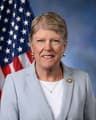 Julia Brownley
Democrat · California
 Ami Bera
Democrat · California
 Mike Bost
Republican · Illinois
 Brendan Boyle
Democrat · Pennsylvania
 Don Bacon
Republican · Nebraska
 Jack Bergman
Republican · Michigan
 James Baird
Republican · Indiana
 Shontel Brown
Democrat · Ohio
 Aaron Bean
Republican · Florida
 Nikki Budzinski
Democrat · Illinois
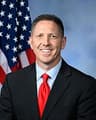 Josh Brecheen
Republican · Oklahoma
 Michael Baumgartner
Republican · Washington
 Wesley Bell
Democrat · Missouri
 Janelle Bynum
Democrat · Oregon
 Robert Bresnahan
Republican · Pennsylvania
 Steve Cohen
Democrat · Tennessee
 Joe Courtney
Democrat · Connecticut
 André Carson
Democrat · Indiana
 Judy Chu
Democrat · California
 Earl Carter
Republican · Georgia
 Salud Carbajal
Democrat · California
 Dan Crenshaw
Republican · Texas
 Jason Crow
Democrat · Colorado
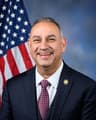 Gilbert Cisneros
Democrat · California
 Troy Carter
Democrat · Louisiana
 Mike Carey
Republican · Ohio
 Donald Davis
Democrat · North Carolina
 Christopher Deluzio
Democrat · Pennsylvania
 Scott DesJarlais
Republican · Tennessee
 Debbie Dingell
Democrat · Michigan
 Maxine Dexter
Democrat · Oregon
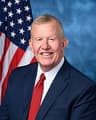 Mike Ezell
Republican · Mississippi
 Chuck Edwards
Republican · North Carolina
 Dwight Evans
Democrat · Pennsylvania
 Sarah Elfreth
Democrat · Maryland
 Cleo Fields
Democrat · Louisiana
 Pat Fallon
Republican · Texas
 Brian Fitzpatrick
Republican · Pennsylvania
 Brad Finstad
Republican · Minnesota
 Laura Friedman
Democrat · California
 Randy Fine
Republican · Florida
 John Garamendi
Democrat · California
 Josh Gottheimer
Democrat · New Jersey
 Sylvia Garcia
Democrat · Texas
 Lance Gooden
Republican · Texas
 Michael Guest
Republican · Mississippi
 Jared Golden
Democrat · Maine
 Carlos Gimenez
Republican · Florida
 Andrew Garbarino
Republican · New York
 Marie Perez
Democrat · Washington
 Maggie Goodlander
Democrat · New Hampshire
 Bill Huizenga
Republican · Michigan
 Clay Higgins
Republican · Louisiana
 Jahana Hayes
Democrat · Connecticut
 Chrissy Houlahan
Democrat · Pennsylvania
 Ashley Hinson
Republican · Iowa
 Val Hoyle
Democrat · Oregon
 Abraham Hamadeh
Republican · Arizona
 Mike Haridopolos
Republican · Florida
 Pat Harrigan
Republican · North Carolina
 David Joyce
Republican · Ohio
 Ronny Jackson
Republican · Texas
 John James
Republican · Michigan
 Jonathan Jackson
Democrat · Illinois
 Marcy Kaptur
Democrat · Ohio
 Ro Khanna
Democrat · California
 Raja Krishnamoorthi
Democrat · Illinois
 David Kustoff
Republican · Tennessee
 Young Kim
Republican · California
 Jennifer Kiggans
Republican · Virginia
 Timothy Kennedy
Democrat · New York
 Rick Larsen
Democrat · Washington
 Stephen Lynch
Democrat · Massachusetts
 Ted Lieu
Democrat · California
 Nick LaLota
Republican · New York
 Michael Lawler
Republican · New York
 Nicholas Langworthy
Republican · New York
 Greg Landsman
Democrat · Ohio
 Morgan Luttrell
Republican · Texas
 George Latimer
Democrat · New York
 Nicole Malliotakis
Republican · New York
 John Moolenaar
Republican · Michigan
 Seth Moulton
Democrat · Massachusetts
 Mary Miller
Republican · Illinois
 Barry Moore
Republican · Alabama
 Blake Moore
Republican · Utah
 Frank Mrvan
Democrat · Indiana
 Cory Mills
Republican · Florida
 Jared Moskowitz
Democrat · Florida
 Richard McCormick
Republican · Georgia
 James Moylan
Republican · Guam
 Morgan McGarvey
Democrat · Kentucky
 Max Miller
Republican · Ohio
 Robert Menendez
Democrat · New Jersey
 April McClain Delaney
Democrat · Maryland
 Mark Messmer
Republican · Indiana
 Riley Moore
Republican · West Virginia
 Tim Moore
Republican · North Carolina
 Kristen McDonald Rivet
Democrat · Michigan
 John McGuire
Republican · Virginia
 Addison McDowell
Republican · North Carolina
 Eleanor Norton
Democrat · District of Columbia
 Donald Norcross
Democrat · New Jersey
 Joe Neguse
Democrat · Colorado
 Zachary Nunn
Republican · Iowa
 Chellie Pingree
Democrat · Maine
 Scott Peters
Democrat · California
 Chris Pappas
Democrat · New Hampshire
 Brittany Pettersen
Democrat · Colorado
 Mike Rogers
Republican · Alabama
 Patrick Ryan
Democrat · New York
 David Rouzer
Republican · North Carolina
 John Rutherford
Republican · Florida
 Michael Rulli
Republican · Ohio
 Emily Randall
Democrat · Washington
 Josh Riley
Democrat · New York
 Brad Sherman
Democrat · California
 Christopher Smith
Republican · New Jersey
 Marilyn Strickland
Democrat · Washington
 Elise Stefanik
Republican · New York
 Thomas Suozzi
Democrat · New York
 Mary Gay Scanlon
Democrat · Pennsylvania
 Pete Stauber
Republican · Minnesota
 Haley Stevens
Democrat · Michigan
 Dale Strong
Republican · Alabama
 Hillary Scholten
Democrat · Michigan
 Emilia Sykes
Democrat · Ohio
 Eric Sorensen
Democrat · Illinois
 Andrea Salinas
Democrat · Oregon
 Derek Schmidt
Republican · Kansas
 Lateefah Simon
Democrat · California
 Bennie Thompson
Democrat · Mississippi
 Mike Thompson
Democrat · California
 Michael Turner
Republican · Ohio
 Jill Tokuda
Democrat · Hawaii
 Shri Thanedar
Democrat · Michigan
 Derek Tran
Democrat · California
 Juan Vargas
Democrat · California
 Derrick Van Orden
Republican · Wisconsin
 Eugene Vindman
Democrat · Virginia
 Maxine Waters
Democrat · California
 Robert Wittman
Republican · Virginia
 Tony Wied
Republican · Wisconsin
 Ryan Zinke
Republican · Montana