
A Democratic bill with 118 Democratic cosponsors · See all 118 cosponsors
Last activity — Referred to the Committee on Energy and Commerce, and in addition to the Committees on Ways and Means, Education and Workforce, Rules, Oversight and Government Reform, Armed Services, and the Judiciary, for a period to be subsequently determined by the Speaker, in each case for consideration of such provisions as fall within the jurisdiction of the committee concerned.
In committee
Introduced and handed to a committee in the chamber it started in.
The committee holds it, and most bills are never heard from again. A hearing or a committee vote would be news; silence is the usual outcome, and it kills the bill without anyone voting against it.
Its path through Congress
- Introduced
- In Committee
What this bill would do
This bill establishes a national Medicare-for-All health insurance program to provide comprehensive health coverage to United States residents. It creates a universal enrollment system that issues a Universal Medicare card and eliminates cost-sharing like deductibles, copayments, and balance billing for covered services. The program covers a wide range of medical care, including hospital services, long-term care, prescription drugs, dental, vision, and mental health care. Over a two-year transition period, certain age groups become eligible early, and existing programs like the ACA exchanges and traditional Medicare are eventually phased out. Funding is channeled through a newly created Universal Medicare Trust Fund, and the Secretary of Health and Human Services is given broad authority to set budgets and negotiate provider payments and drug prices.
Yes· 3 of 53
- Scored +10
Would children be better off under this?
Provides automatic enrollment at birth and comprehensive pediatric coverage.
- Scored +10
Would people in their twenties and thirties be better off under this?
Guarantees universal access to health care regardless of employment status.
- Scored +10
Would people over 65 be better off under this?
Expands Medicare to include comprehensive long-term care and removes cost-sharing.
The opposite· 3 of 7
- Scored -10
Does this lower what people pay for private health insurance?
Bans private insurers from selling coverage that duplicates the act's benefits, effectively eliminating the primary private insurance market.
- Scored -10
Does this give the government more power to monitor people inside the country?
Explicitly prohibits the use of program resources for law enforcement of registration requirements based on immigration, religion, or national origin.
- Scored -8
Does this strengthen the Affordable Care Act?
Sunsets State Exchanges and other ACA-related provisions to transition to the single-payer system.
Who it would affect, and how
Potential Positive Impacts for People
-
Section 102 grants universal health care coverage to every United States resident, ensuring that all people living in the country have access to necessary health services.
-
Section 202 explicitly prohibits any cost-sharing, including deductibles, coinsurance, copayments, or balance billing, which protects everyday people from out-of-pocket medical expenses and unexpected bills.
-
Section 201 and Section 204 provide a comprehensive set of benefits—including hospital care, prescription drugs, mental health services, and long-term care services—giving individuals robust support for various health and daily living needs.
-
Section 301 protects healthcare employees and providers from retaliation by establishing whistleblower protections, ensuring workers can report safety violations or ethical concerns without fear of losing their jobs.
-
Section 617 requires the Secretary to annually negotiate the prices of prescription drugs and medical devices, which can help lower the cost of medications for the public.
Potential Negative Impacts for People
-
Section 107 makes it unlawful for private health insurers to sell health insurance coverage that duplicates the benefits provided under the Act, and stops employers from providing duplicative employee health benefits, which removes current private insurance choices for individuals and workers.
-
Section 902 terminates the Federal and State Health Insurance Exchanges two years after the enactment of the Act, ending the availability of plans and subsidies previously offered through those exchanges.
-
Section 614 prohibits payments to providers from taking into account or being used for provider profits, marketing, or incentive payments based on patient utilization, which could potentially disrupt existing operations or compensation structures for certain healthcare providers and facilities.
Groups and Interests Ranking
Every group the model scored this bill for, from -10 to +10. Tap or hover a score for the reason it gave.
- Demographic And Interest Groups
- Would children be better off under this? — Provides automatic enrollment at birth and comprehensive pediatric coverage. Would immigrants be better off under this? — Grants health care eligibility to all residents and prohibits use of data for immigration enforcement. Would LGBTQ people be better off under this? — Explicitly protects against discrimination and covers gender-affirming care. Would households on low incomes be better off under this? — Removes all financial barriers to health care including copayments and deductibles. Would Native Americans be better off under this? — Includes supplemental funding for Indian Health Services and mandates consultation with Tribes. Would people with disabilities be better off under this? — Removes Medicare waiting periods and prioritizes home- and community-based long-term services. Would retired people be better off under this? — Eliminates Medicare cost-sharing and expands long-term care coverage. Would people over 65 be better off under this? — Expands Medicare to include comprehensive long-term care and removes cost-sharing. Would women be better off under this? — Guarantees comprehensive reproductive, maternity, and gender-affirming health care. Would people in their twenties and thirties be better off under this? — Guarantees universal access to health care regardless of employment status. Would Black Americans be better off under this? — Directly addresses racial health disparities through the Office of Health Equity and protects against immigration-based surveillance. Would Asian Americans be better off under this? — Provides universal access and mandates tracking of disparities for Asian ethnic groups. Would Hispanic Americans be better off under this? — Provides coverage to all residents regardless of immigration status and addresses ethnic disparities. Would people in rural areas be better off under this? — Targeted funding for rural facility construction and staffing. Would students be better off under this? — Ensures continuous health coverage independent of parents' or employers' insurance. Would men be better off under this? — Provides universal access to all medically necessary services. Would people in middle age be better off under this? — Removes high costs of private insurance and deductibles. Would middle-income households be better off under this? — Eliminates health insurance premiums and out-of-pocket costs. Would people in cities be better off under this? — Provides universal access and comprehensive benefits. Would white Americans be better off under this? — Provides universal, comprehensive health coverage and eliminates out-of-pocket costs. Would farmers be better off under this? — Increases funding and staffing for health care in rural and underserved areas. Would veterans be better off under this, taking everything together? — Allows VA providers to participate and ensures no negative effect on existing Title 38 benefits. Would union members be better off under this? — Provides comprehensive care and protects collective bargaining agreements. Would business owners be better off under this? — Balances the relief of providing insurance with the disruption of existing business insurance models. Would high-income households be better off under this? — Provides guaranteed high-quality care, though potentially through higher tax burdens.
- Healthcare
- Does this make abortion easier to get? — Explicitly covers comprehensive reproductive care, including abortion, and removes funding restrictions. Does this make health care easier to get in general? — Guarantees universal health care coverage to every resident of the United States and eliminates waiting periods for disabled individuals. Does this make mental health care easier to get? — Explicitly includes mental health and substance use treatment as comprehensive benefits. Does this put more money into Medicare, the health coverage for people over 65? — Creates a Universal Medicare Trust Fund to provide comprehensive coverage to all US residents, absorbing existing federal programs. Does this lower the price of prescription medicines? — Empowers the Secretary to negotiate drug prices annually and use competitive licensing to lower costs. Does this do more about addiction and overdose deaths? — Comprehensive benefits include mandated substance use treatment services. Does this make the country readier for the next outbreak? — Creates a reserve fund for epidemics/pandemics and mandates PPE stockpiles for institutional providers. Does this lower what a hospital stay costs? — Eliminates deductibles, copayments, and balance billing for patients. Does this help veterans get medical care? — Qualifies VA providers to participate and explicitly preserves eligibility for medical benefits provided under title 38. Does this put more money into medical research? — Allocates specific budget components for health professional education and research activities. Does this put more money into Medicaid, the health coverage for people on low incomes? — While it sunsets existing Medicaid in favor of a universal program, it integrates and expands Medicaid-level comprehensive services for all. Does this lower what people pay for private health insurance? — Bans private insurers from selling coverage that duplicates the act's benefits, effectively eliminating the primary private insurance market. Does this strengthen the Affordable Care Act? — Sunsets State Exchanges and other ACA-related provisions to transition to the single-payer system.
- Social Issues And Justice
- Does this expand the rights of people with disabilities? — Removes the 24-month Medicare waiting period for disabled individuals and prioritizes home-based long-term care. Does this expand the rights of LGBTQ people? — Explicitly covers gender-affirming care and prohibits discrimination based on gender identity and sexual orientation. Does this narrow the gap between how men and women are treated? — Ensures comprehensive reproductive and maternity care for all residents regardless of income. Does this narrow racial gaps in how people are treated? — Establishes the Office of Health Equity to track and mitigate racial and ethnic health disparities and protects against ethnicity-based law enforcement. Is this likely to lift people out of poverty? — Eliminates health care costs for low-income individuals, reducing a major driver of medical poverty.
- Governance And Ideology
- Does this give the federal government more power? — Centralizes all health insurance administration under a single federal program, eliminating most state and private roles. Does this protect people from being watched or searched? — Strictly limits the disclosure of personally identifiable information to law enforcement and immigration agencies. Does this make what the government does easier for the public to see? — Requires extensive reporting on expenditures, outcomes, and health disparities to be made publicly available. Does this protect the right to fair treatment by the courts? — Establishes administrative appeal processes for coverage decisions and non-discrimination claims. Does this leave more decisions to the states? — Overrides state-level insurance regulations and terminates state-run ACA exchanges.
- Environment Energy And Infrastructure
- Does this invest in rural communities? — Provides a special projects budget specifically for staffing and construction of facilities in rural areas. Does this improve help for people hit by a disaster? — Establishes a reserve fund to respond to the costs of natural disasters.
- Education And Technology
- Does this give people more control over their personal data? — Prohibits the use of health data for law enforcement or immigration purposes. Does this put more money into scientific research? — Includes health professional education and research expenditures in the national health budget. Does this make patent and copyright rules fairer? — Allows the Secretary to authorize competitive licensing of pharmaceutical patents if prices are not negotiated.
- National Security And Foreign Policy
- Does this increase the pay, pensions or support veterans receive? — Integrates VA providers into the universal system and ensures the program does not negatively affect veteran medical benefits. Does this give the government more power to monitor people inside the country? — Explicitly prohibits the use of program resources for law enforcement of registration requirements based on immigration, religion, or national origin.
- Economy And Finance
- Does this give people more protection from unfair business practices? — Eliminates balance billing and cost-sharing, providing significant financial protection for health care consumers. Does this make it easier to run a small business? — Removes the financial and administrative burden of providing health insurance from small businesses by prohibiting duplicating coverage. Does this strengthen the rights of workers to organise? — The bill requires consultation with labor organizations and ensures that collective bargaining agreements are not diminished. Does this reduce what the federal government spends? — The act establishes a massive new national health budget and Trust Fund, significantly increasing federal expenditures. Does this make the government pay for what it commits to? — The shift to a single-payer system with a national health budget represents a major expansion of federal fiscal liability.
- 10/22/2026
- 1 Cosponsor added.
- 9/24/2026
- 1 Cosponsor added.
- 9/16/2026
- 1 Cosponsor added.
- 9/14/2026
- 1 Cosponsor added.
- 4/27/2026
- 1 Cosponsor added.
- 4/21/2026
- 1 Cosponsor added.
- 3/2/2026
- 1 Cosponsor added.
- 12/18/2025
- 1 Cosponsor added.
- 12/10/2025
- 2 Cosponsors added.
- 12/2/2025
- 1 Cosponsor added.
- 11/20/2025
- 1 Cosponsor added.
- 9/3/2025
- 1 Cosponsor added.
- 4/29/2025
- Referred to the Committee on Energy and Commerce, and in addition to the Committees on Ways and Means, Education and Workforce, Rules, Oversight and Government Reform, Armed Services, and the Judiciary, for a period to be subsequently determined by the Speaker, in each case for consideration of such provisions as fall within the jurisdiction of the committee concerned.
- 105 Cosponsors added.
- Introduced in House
 Alma Adams
Democrat · North Carolina
 Yassamin Ansari
Democrat · Arizona
 Suzanne Bonamici
Democrat · Oregon
 Donald Beyer
Democrat · Virginia
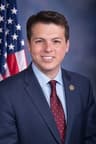 Brendan Boyle
Democrat · Pennsylvania
 Nanette Barragán
Democrat · California
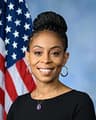 Shontel Brown
Democrat · Ohio
 Becca Balint
Democrat · Vermont
 Wesley Bell
Democrat · Missouri
 Janelle Bynum
Democrat · Oregon
 Everton Blair
Democrat · Georgia
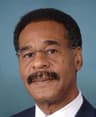 Emanuel Cleaver
Democrat · Missouri
 Yvette Clarke
Democrat · New York
 Steve Cohen
Democrat · Tennessee
 André Carson
Democrat · Indiana
 Judy Chu
Democrat · California
 Salud Carbajal
Democrat · California
 Jason Crow
Democrat · Colorado
 Troy Carter
Democrat · Louisiana
 Sheila Cherfilus-McCormick
Democrat · Florida
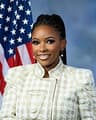 Jasmine Crockett
Democrat · Texas
 Greg Casar
Democrat · Texas
 Danny Davis
Democrat · Illinois
 Diana DeGette
Democrat · Colorado
 Lloyd Doggett
Democrat · Texas
 Christopher Deluzio
Democrat · Pennsylvania
 Mark DeSaulnier
Democrat · California
 Debbie Dingell
Democrat · Michigan
 Maxine Dexter
Democrat · Oregon
 Adriano Espaillat
Democrat · New York
 Veronica Escobar
Democrat · Texas
 Sarah Elfreth
Democrat · Maryland
 Lois Frankel
Democrat · Florida
 Maxwell Frost
Democrat · Florida
 Valerie Foushee
Democrat · North Carolina
 Shomari Figures
Democrat · Alabama
 Laura Friedman
Democrat · California
 Al Green
Democrat · Texas
 John Garamendi
Democrat · California
 Jimmy Gomez
Democrat · California
 Jesús García
Democrat · Illinois
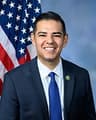 Robert Garcia
Democrat · California
 Daniel Goldman
Democrat · New York
 Adelita Grijalva
Democrat · Arizona
 Jared Huffman
Democrat · California
 Jahana Hayes
Democrat · Connecticut
 Josh Harder
Democrat · California
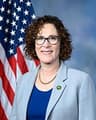 Val Hoyle
Democrat · Oregon
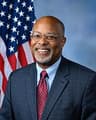 Glenn Ivey
Democrat · Maryland
 Henry Johnson
Democrat · Georgia
 Sara Jacobs
Democrat · California
 Jonathan Jackson
Democrat · Illinois
 Julie Johnson
Democrat · Texas
 William Keating
Democrat · Massachusetts
 Robin Kelly
Democrat · Illinois
 Ro Khanna
Democrat · California
 Sydney Kamlager-Dove
Democrat · California
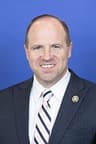 Timothy Kennedy
Democrat · New York
 Teresa Leger Fernandez
Democrat · New Mexico
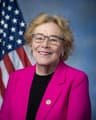 Zoe Lofgren
Democrat · California
 John Larson
Democrat · Connecticut
 Ted Lieu
Democrat · California
 Mike Levin
Democrat · California
 Summer Lee
Democrat · Pennsylvania
 James McGovern
Democrat · Massachusetts
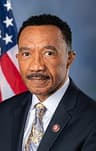 Kweisi Mfume
Democrat · Maryland
 Gregory Meeks
Democrat · New York
 Betty McCollum
Democrat · Minnesota
 Grace Meng
Democrat · New York
 Jared Moskowitz
Democrat · Florida
 Morgan McGarvey
Democrat · Kentucky
 Kevin Mullin
Democrat · California
 LaMonica McIver
Democrat · New Jersey
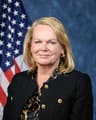 April McClain Delaney
Democrat · Maryland
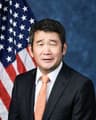 Dave Min
Democrat · California
 Christian Menefee
Democrat · Texas
 Analilia Mejia
Democrat · New Jersey
 Jerrold Nadler
Democrat · New York
 Eleanor Norton
Democrat · District of Columbia
 Joe Neguse
Democrat · Colorado
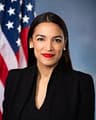 Alexandria Ocasio-Cortez
Democrat · New York
 Ilhan Omar
Democrat · Minnesota
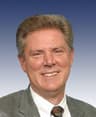 Frank Pallone
Democrat · New Jersey
 Chellie Pingree
Democrat · Maine
 Mark Pocan
Democrat · Wisconsin
 Jimmy Panetta
Democrat · California
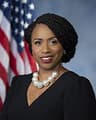 Ayanna Pressley
Democrat · Massachusetts
 Mike Quigley
Democrat · Illinois
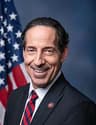 Jamie Raskin
Democrat · Maryland
 Delia Ramirez
Democrat · Illinois
 Luz Rivas
Democrat · California
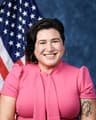 Emily Randall
Democrat · Washington
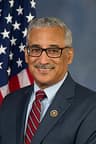 Robert Scott
Democrat · Virginia
 Brad Sherman
Democrat · California
 Adam Smith
Democrat · Washington
 Janice Schakowsky
Democrat · Illinois
 Linda Sánchez
Democrat · California
 Eric Swalwell
Democrat · California
 Melanie Stansbury
Democrat · New Mexico
 Andrea Salinas
Democrat · Oregon
 Lateefah Simon
Democrat · California
 Bennie Thompson
Democrat · Mississippi
 Mike Thompson
Democrat · California
 Dina Titus
Democrat · Nevada
 Paul Tonko
Democrat · New York
 Mark Takano
Democrat · California
 Rashida Tlaib
Democrat · Michigan
 Lori Trahan
Democrat · Massachusetts
 Ritchie Torres
Democrat · New York
 Jill Tokuda
Democrat · Hawaii
 Shri Thanedar
Democrat · Michigan
 Nydia Velázquez
Democrat · New York
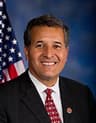 Juan Vargas
Democrat · California
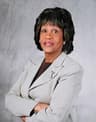 Maxine Waters
Democrat · California
 Nikema Williams
Democrat · Georgia
 Frederica Wilson
Democrat · Florida
 Bonnie Watson Coleman
Democrat · New Jersey
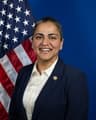 Aisha Wahab
Democrat · California