
Suhas Subramanyam (D-VA)
COST of Relocations Act
A Democratic bill with 33 Democratic cosponsors · See all 33 cosponsors
Last activity — Referred to the House Committee on Oversight and Government Reform.
In committee
Introduced and handed to a committee in the chamber it started in.
The committee holds it, and most bills are never heard from again. A hearing or a committee vote would be news; silence is the usual outcome, and it kills the bill without anyone voting against it.
Its path through Congress
- Introduced
- In Committee
What this bill would do
This bill is known as the Congressional Oversight to Secure Transparency of Relocations Act or the COST of Relocations Act. It requires Federal agencies to conduct a benefit-cost analysis before carrying out certain relocations of employment positions to different areas. The agency must submit an unredacted report of this analysis to its Office of Inspector General. The Inspector General must then review the report and submit their findings to specific Congressional committees. The bill defines what must be included in the analysis report, such as anticipated outcomes, employee engagement plans, risk assessments, and mission impacts. It also outlines specific rules for when these relocation rules apply based on the number of employees affected.
Yes
- Scored +5
Does this make what the government does easier for the public to see?
The bill mandates that agencies make their relocation analysis reports publicly available.
- Scored +3
Does this make the government pay for what it commits to?
The bill requires benefit-cost analyses to justify the use of Federal funds for large-scale relocations.
The opposite
- Scored -2
Would middle-income households be better off under this?
Federal employees may face job instability if their positions are replaced by ones in different commuting areas.
- Scored -2
Would people in cities be better off under this?
The bill could result in the loss of federal jobs and economic activity in current agency regions due to relocations.
Who it would affect, and how
Potential Positive Impacts for People
-
Section 2(a)(1)(B) requires agencies to submit an unredacted report of the benefit-cost analysis to their Office of Inspector General, which ensures that watchdogs have complete information to hold officials accountable.
-
Section 2(b)(2)(A)(iv) mandates a detailed employee engagement plan as part of the analysis report, which helps protect workers by ensuring their voices and concerns are considered during a move.
-
Section 2(b)(2)(A)(vii) requires an assessment of how the relocation may affect stakeholders served by the affected positions and those in the destination region, which helps protect the public from losing vital government services.
-
Section 2(b)(2)(B) requires Federal agencies to make the analysis report publicly available, promoting transparency so the people can see why tax dollars are being spent on a move.
-
Section 2(c) requires the Office of Inspector General to submit a review report to Congress within 90 days, giving elected officials the chance to oversee and check the actions of executive branch agencies.
Potential Negative Impacts for People
- There are no explicit provisions within the text of the bill that outline negative consequences or burdens for individuals or groups of people in the United States.
Groups and Interests Ranking
Every group the model scored this bill for, from -10 to +10. Tap or hover a score for the reason it gave.
- Governance And Ideology
- Does this make what the government does easier for the public to see? — The bill mandates that agencies make their relocation analysis reports publicly available.
- Demographic And Interest Groups
- Would middle-income households be better off under this? — Federal employees may face job instability if their positions are replaced by ones in different commuting areas. Would people in cities be better off under this? — The bill could result in the loss of federal jobs and economic activity in current agency regions due to relocations.
- Economy And Finance
- Does this make the government pay for what it commits to? — The bill requires benefit-cost analyses to justify the use of Federal funds for large-scale relocations.
- 9/24/2026
- 1 Cosponsor added.
- 6/18/2026
- 1 Cosponsor added.
- 6/15/2026
- 1 Cosponsor added.
- 6/3/2026
- 1 Cosponsor added.
- 5/26/2026
- 1 Cosponsor added.
- 5/19/2026
- 1 Cosponsor added.
- 5/14/2026
- 1 Cosponsor added.
- 4/27/2026
- 1 Cosponsor added.
- 4/22/2026
- 1 Cosponsor added.
- 4/20/2026
- 2 Cosponsors added.
- 4/6/2026
- 1 Cosponsor added.
- 3/4/2026
- 1 Cosponsor added.
- 9/18/2025
- 1 Cosponsor added.
- 8/5/2025
- 1 Cosponsor added.
- 4/8/2025
- 1 Cosponsor added.
- 3/31/2025
- 1 Cosponsor added.
- 3/27/2025
- Referred to the House Committee on Oversight and Government Reform.
- 16 Cosponsors added.
- Introduced in House
One bill Congress.gov lists as related to this one — companions in the other chamber, earlier versions, and bills this one absorbed or was folded into.
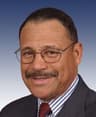 Sanford Bishop
Democrat · Georgia
 Ami Bera
Democrat · California
 Donald Beyer
Democrat · Virginia
 Nanette Barragán
Democrat · California
 Shontel Brown
Democrat · Ohio
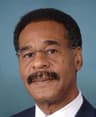 Emanuel Cleaver
Democrat · Missouri
 André Carson
Democrat · Indiana
 Gerald Connolly
Democrat · Virginia
 Judy Chu
Democrat · California
 Suzan DelBene
Democrat · Washington
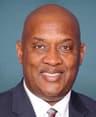 Dwight Evans
Democrat · Pennsylvania
 Sarah Elfreth
Democrat · Maryland
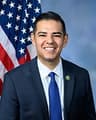 Robert Garcia
Democrat · California
 Daniel Goldman
Democrat · New York
 Steny Hoyer
Democrat · Maryland
 Jared Huffman
Democrat · California
 Jahana Hayes
Democrat · Connecticut
 Pablo Hernández
Democrat · Puerto Rico
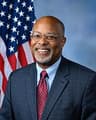 Glenn Ivey
Democrat · Maryland
 Stephen Lynch
Democrat · Massachusetts
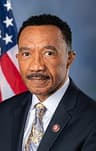 Kweisi Mfume
Democrat · Maryland
 Betty McCollum
Democrat · Minnesota
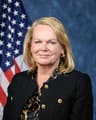 April McClain Delaney
Democrat · Maryland
 Analilia Mejia
Democrat · New Jersey
 Eleanor Norton
Democrat · District of Columbia
 Mark Pocan
Democrat · Wisconsin
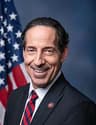 Jamie Raskin
Democrat · Maryland
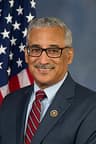 Robert Scott
Democrat · Virginia
 Dina Titus
Democrat · Nevada
 Rashida Tlaib
Democrat · Michigan
 Shri Thanedar
Democrat · Michigan
 Eugene Vindman
Democrat · Virginia
 James Walkinshaw
Democrat · Virginia