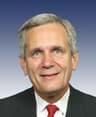
Lloyd Doggett (D-TX)
Medicare Dental, Vision, and Hearing Benefit Act of 2025
A Democratic bill with 132 Democratic cosponsors · See all 132 cosponsors
Last activity — Referred to the Committee on Energy and Commerce, and in addition to the Committee on Ways and Means, for a period to be subsequently determined by the Speaker, in each case for consideration of such provisions as fall within the jurisdiction of the committee concerned.
In committee
Introduced and handed to a committee in the chamber it started in.
The committee holds it, and most bills are never heard from again. A hearing or a committee vote would be news; silence is the usual outcome, and it kills the bill without anyone voting against it.
Its path through Congress
- Introduced
- In Committee
What this bill would do
The Medicare Dental, Vision, and Hearing Benefit Act of 2025 seeks to amend the Social Security Act to include coverage for dental, vision, and hearing care under Medicare. The bill establishes specific payment rates and coverage rules for dental and oral health services, including preventative, basic, and major services. It also extends coverage to vision services, such as eye exams, eyeglass lenses, frames, and contact lenses, as well as low vision devices. Additionally, the legislation includes provisions for hearing services, including routine exams and hearing aids. Various frequency limitations and secretarial authorities regarding coverage modifications are established for these services. These changes are intended to take effect on January 1, 2026.
Yes· 3 of 8
- Scored +9
Would people over 65 be better off under this?
This bill provides substantial new healthcare benefits specifically for the Medicare-eligible senior population.
- Scored +9
Would retired people be better off under this?
Retirees on Medicare benefit significantly from the new dental, vision, and hearing coverage.
- Scored +8
Does this make health care easier to get in general?
It significantly expands access to essential dental, vision, and hearing services for Medicare beneficiaries.
The opposite
No question was scored the opposite.
Who it would affect, and how
Potential Positive Impacts for People
-
Expanded Dental Coverage: The bill adds coverage for dental and oral health services, including preventative care, basic services, major services, and emergency dental care (Section 2).
-
Increased Financial Support for Low-Income Individuals: Low-income or subsidy-eligible individuals receive a higher percentage of coverage for dental services (100 percent for preventative services and 80 percent for other services) compared to the standard tiered rollout (Section 2).
-
Improved Vision Access: The bill provides coverage for routine eye examinations, eyeglass lenses, frames, contact lenses, and low vision devices (Section 3).
-
Hearing Care Benefits: Medicare would cover audiology and hearing services, including routine hearing exams and hearing aids (Section 4).
-
Dentures Coverage: The bill includes provisions for the coverage of dentures (Section 2).
-
Task Force Representation: The law would ensure the United States Preventive Services Task Force includes at least one oral health professional (Section 6).
Potential Negative Impacts for People
-
Phased Payment Increases for Dental Services: For non-preventative dental services, the coverage percentage increases gradually over several years, starting at 0 percent before 2027 (Section 2).
-
Service Frequency Limitations: Coverage is restricted by how often a person can use it; for example, routine dental cleanings and exams are limited to two per 12-month period, and routine eye exams are limited to one per 12-month period (Section 2 and Section 3).
-
Eyewear Spending Caps: There are specific dollar limits on coverage for eyeglass lenses ($100 per 12 months), eyeglass frames ($100 per 24 months), and contact lenses ($200 per 24-month period) (Section 3).
-
Hearing Aid Restrictions: Payment for hearing aids is limited to no more than one hearing aid per ear during a 48-month period (Section 4).
-
Secretarial Authority to Limit Coverage: The Secretary has the authority to apply additional limitations, such as prior authorization requirements, or modify coverage based on task force recommendations (Section 2, Section 3, and Section 4).
Groups and Interests Ranking
Every group the model scored this bill for, from -10 to +10. Tap or hover a score for the reason it gave.
- Demographic And Interest Groups
- Would retired people be better off under this? — Retirees on Medicare benefit significantly from the new dental, vision, and hearing coverage. Would people over 65 be better off under this? — This bill provides substantial new healthcare benefits specifically for the Medicare-eligible senior population. Would households on low incomes be better off under this? — The bill offers increased coverage percentages for subsidy-eligible low-income individuals. Would people with disabilities be better off under this? — The expansion of vision and hearing coverage provides support for those with sensory impairments.
- Healthcare
- Does this make health care easier to get in general? — It significantly expands access to essential dental, vision, and hearing services for Medicare beneficiaries. Does this put more money into Medicare, the health coverage for people over 65? — The bill expands Medicare coverage to include dental, vision, and hearing services.
- Social Issues And Justice
- Does this strengthen Social Security? — It enhances the benefits provided to Social Security/Medicare beneficiaries through new coverage areas. Is this likely to lift people out of poverty? — The bill includes specific higher coverage percentages for low-income subsidy-eligible individuals.
- 10/26/2026
- 1 Cosponsor added.
- 6/15/2026
- 1 Cosponsor added.
- 4/22/2026
- 1 Cosponsor added.
- 2/3/2026
- 1 Cosponsor added.
- 1/20/2026
- 1 Cosponsor added.
- 11/4/2025
- 1 Cosponsor added.
- 9/30/2025
- 1 Cosponsor added.
- 6/4/2025
- 1 Cosponsor added.
- 6/3/2025
- 1 Cosponsor added.
- 4/28/2025
- 1 Cosponsor added.
- 4/10/2025
- 2 Cosponsors added.
- 4/7/2025
- 1 Cosponsor added.
- 3/24/2025
- 2 Cosponsors added.
- 3/11/2025
- Referred to the Committee on Energy and Commerce, and in addition to the Committee on Ways and Means, for a period to be subsequently determined by the Speaker, in each case for consideration of such provisions as fall within the jurisdiction of the committee concerned.
- 117 Cosponsors added.
- Introduced in House
 Alma Adams
Democrat · North Carolina
 Yassamin Ansari
Democrat · Arizona
 Sanford Bishop
Democrat · Georgia
 Suzanne Bonamici
Democrat · Oregon
 Joyce Beatty
Democrat · Ohio
 Donald Beyer
Democrat · Virginia
 Brendan Boyle
Democrat · Pennsylvania
 Nanette Barragán
Democrat · California
 Shontel Brown
Democrat · Ohio
 Becca Balint
Democrat · Vermont
 Wesley Bell
Democrat · Missouri
 Emanuel Cleaver
Democrat · Missouri
 Henry Cuellar
Democrat · Texas
 Steve Cohen
Democrat · Tennessee
 André Carson
Democrat · Indiana
 Gerald Connolly
Democrat · Virginia
 Judy Chu
Democrat · California
 Joaquin Castro
Democrat · Texas
 Salud Carbajal
Democrat · California
 Troy Carter
Democrat · Louisiana
 Sheila Cherfilus-McCormick
Democrat · Florida
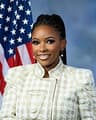 Jasmine Crockett
Democrat · Texas
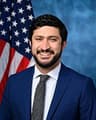 Greg Casar
Democrat · Texas
 Danny Davis
Democrat · Illinois
 Diana DeGette
Democrat · Colorado
 Rosa DeLauro
Democrat · Connecticut
 Christopher Deluzio
Democrat · Pennsylvania
 Mark DeSaulnier
Democrat · California
 Debbie Dingell
Democrat · Michigan
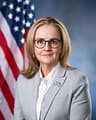 Madeleine Dean
Democrat · Pennsylvania
 Maxine Dexter
Democrat · Oregon
 Dwight Evans
Democrat · Pennsylvania
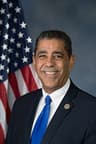 Adriano Espaillat
Democrat · New York
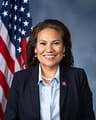 Veronica Escobar
Democrat · Texas
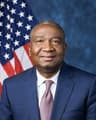 Cleo Fields
Democrat · Louisiana
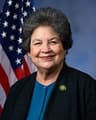 Lois Frankel
Democrat · Florida
 Maxwell Frost
Democrat · Florida
 Valerie Foushee
Democrat · North Carolina
 Laura Friedman
Democrat · California
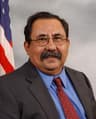 Raúl Grijalva
Democrat · Arizona
 Al Green
Democrat · Texas
 John Garamendi
Democrat · California
 Vicente Gonzalez
Democrat · Texas
 Josh Gottheimer
Democrat · New Jersey
 Jimmy Gomez
Democrat · California
 Jesús García
Democrat · Illinois
 Sylvia Garcia
Democrat · Texas
 Robert Garcia
Democrat · California
 Daniel Goldman
Democrat · New York
 Adelita Grijalva
Democrat · Arizona
 Steven Horsford
Democrat · Nevada
 Jared Huffman
Democrat · California
 Jahana Hayes
Democrat · Connecticut
 Val Hoyle
Democrat · Oregon
 Henry Johnson
Democrat · Georgia
 Pramila Jayapal
Democrat · Washington
 Sara Jacobs
Democrat · California
 Jonathan Jackson
Democrat · Illinois
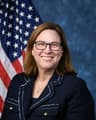 Julie Johnson
Democrat · Texas
 Marcy Kaptur
Democrat · Ohio
 Robin Kelly
Democrat · Illinois
 Ro Khanna
Democrat · California
 Raja Krishnamoorthi
Democrat · Illinois
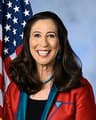 Teresa Leger Fernandez
Democrat · New Mexico
 John Larson
Democrat · Connecticut
 Rick Larsen
Democrat · Washington
 Stephen Lynch
Democrat · Massachusetts
 Ted Lieu
Democrat · California
 Susie Lee
Democrat · Nevada
 Mike Levin
Democrat · California
 Greg Landsman
Democrat · Ohio
 Summer Lee
Democrat · Pennsylvania
 James McGovern
Democrat · Massachusetts
 Kweisi Mfume
Democrat · Maryland
 Gregory Meeks
Democrat · New York
 Betty McCollum
Democrat · Minnesota
 Gwen Moore
Democrat · Wisconsin
 Grace Meng
Democrat · New York
 Joseph Morelle
Democrat · New York
 Morgan McGarvey
Democrat · Kentucky
 Jennifer McClellan
Democrat · Virginia
 LaMonica McIver
Democrat · New Jersey
 April McClain Delaney
Democrat · Maryland
 Sarah McBride
Democrat · Delaware
 Jerrold Nadler
Democrat · New York
 Eleanor Norton
Democrat · District of Columbia
 Donald Norcross
Democrat · New Jersey
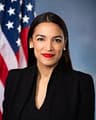 Alexandria Ocasio-Cortez
Democrat · New York
 Ilhan Omar
Democrat · Minnesota
 Chellie Pingree
Democrat · Maine
 Mark Pocan
Democrat · Wisconsin
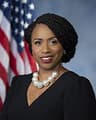 Ayanna Pressley
Democrat · Massachusetts
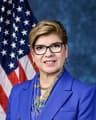 Nellie Pou
Democrat · New Jersey
 Deborah Ross
Democrat · North Carolina
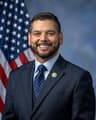 Raul Ruiz
Democrat · California
 Jamie Raskin
Democrat · Maryland
 Delia Ramirez
Democrat · Illinois
 Josh Riley
Democrat · New York
 Brad Sherman
Democrat · California
 Adam Smith
Democrat · Washington
 Janice Schakowsky
Democrat · Illinois
 Linda Sánchez
Democrat · California
 David Scott
Democrat · Georgia
 Terri Sewell
Democrat · Alabama
 Eric Swalwell
Democrat · California
 Darren Soto
Democrat · Florida
 Mary Gay Scanlon
Democrat · Pennsylvania
 Mikie Sherrill
Democrat · New Jersey
 Melanie Stansbury
Democrat · New Mexico
 Andrea Salinas
Democrat · Oregon
 Lateefah Simon
Democrat · California
 Bennie Thompson
Democrat · Mississippi
 Mike Thompson
Democrat · California
 Dina Titus
Democrat · Nevada
 Paul Tonko
Democrat · New York
 Mark Takano
Democrat · California
 Rashida Tlaib
Democrat · Michigan
 Lori Trahan
Democrat · Massachusetts
 Ritchie Torres
Democrat · New York
 Jill Tokuda
Democrat · Hawaii
 Shri Thanedar
Democrat · Michigan
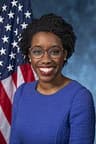 Lauren Underwood
Democrat · Illinois
 Nydia Velázquez
Democrat · New York
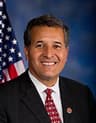 Juan Vargas
Democrat · California
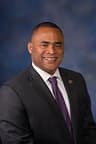 Marc Veasey
Democrat · Texas
 Eugene Vindman
Democrat · Virginia
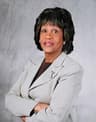 Maxine Waters
Democrat · California
 Nikema Williams
Democrat · Georgia
 Debbie Wasserman Schultz
Democrat · Florida
 Frederica Wilson
Democrat · Florida
 Bonnie Watson Coleman
Democrat · New Jersey
 James Walkinshaw
Democrat · Virginia