A Democratic bill with 5 Republican cosponsors · See all 45 cosponsors
Last activity — Referred to the Committee on Energy and Commerce, and in addition to the Committee on Science, Space, and Technology, for a period to be subsequently determined by the Speaker, in each case for consideration of such provisions as fall within the jurisdiction of the committee concerned.
In committee
Introduced and handed to a committee in the chamber it started in.
The committee holds it, and most bills are never heard from again. A hearing or a committee vote would be news; silence is the usual outcome, and it kills the bill without anyone voting against it.
Its path through Congress
- Introduced
- In Committee
What this bill would do
The HELPING Emergency Responders Overcome Act, or the HERO Act, aims to improve how mental health issues are detected, prevented, and treated among public safety officers. It directs the Secretary of Health and Human Services to establish a data system to track suicide incidence among public safety officers. The bill also allows for grants to create peer-support wellness programs within fire departments and emergency medical services agencies. Additionally, it provides for behavioral health and wellness programs for health care providers. Finally, the act mandates the development of educational resources regarding the unique stressors and cultures faced by fire and emergency medical personnel.
Yes· 3 of 5
- Scored +8
Does this make mental health care easier to get?
The bill establishes programs, grants, and best practices to enhance mental health support and suicide prevention for public safety and healthcare workers.
- Scored +5
Does this put more money into medical research?
The bill directs the development of a national data system to study suicide incidence and successful interventions among public safety officers.
- Scored +5
Does this make what the government does easier for the public to see?
The bill requires annual reports to Congress regarding suicide incidence among public safety officers.
The opposite
No question was scored the opposite.
Who it would affect, and how
Potential Positive Impacts for People
-
Improved Data Collection on Suicide: The bill establishes a Public Safety Officer Suicide Reporting System to collect data on suicide rates and facilitate the study of successful interventions (Section 2).
-
Protection of Beneficiaries: The act explicitly prohibits using information from the suicide reporting system to deny or rescind life insurance payments or other benefits to a survivor (Section 2).
-
Support for Fire and EMS Personnel: The Secretary may award grants to establish or enhance peer-support behavioral health and wellness programs within fire departments and emergency medical services agencies (Section 3).
-
Support for Health Care Providers: The bill allows for grants to provide confidential support services, such as counseling and wellness seminars, to help health care providers handle stressful or traumatic events (Section 4).
-
Enhanced Professional Education: The U.S. Fire Administration will develop resources to educate mental health professionals about the specific culture, stressors, and evidence-based therapies relevant to firefighters and emergency medical services personnel (Section 5).
-
Resource Development for PTSD: The Secretary is tasked with developing and updating evidence-based best practices and resources to identify, prevent, and treat posttraumatic stress disorder and co-occurring disorders in public safety officers (Section 6).
Potential Negative Impacts for People
- No specific negative impacts or burdens are explicitly identified in the provided text.
Groups and Interests Ranking
Every group the model scored this bill for, from -10 to +10. Tap or hover a score for the reason it gave.
- Healthcare
- Does this make mental health care easier to get? — The bill establishes programs, grants, and best practices to enhance mental health support and suicide prevention for public safety and healthcare workers. Does this put more money into medical research? — The bill directs the development of a national data system to study suicide incidence and successful interventions among public safety officers.
- Governance And Ideology
- Does this make what the government does easier for the public to see? — The bill requires annual reports to Congress regarding suicide incidence among public safety officers.
- Education And Technology
- Does this give people more control over their personal data? — The bill includes specific provisions to ensure the confidentiality and anonymity of suicide victims and their families.
- Social Issues And Justice
- Does this change how police departments operate? — It provides mental health and wellness support specifically for public safety officers.
- 11/5/2026
- 9 Cosponsors added.
- 4/23/2026
- 1 Cosponsor added.
- 4/15/2026
- 1 Cosponsor added.
- 3/25/2026
- 6 Cosponsors added.
- 5/7/2025
- 1 Cosponsor added.
- 3/18/2025
- 4 Cosponsors added.
- 3/6/2025
- Referred to the Committee on Energy and Commerce, and in addition to the Committee on Science, Space, and Technology, for a period to be subsequently determined by the Speaker, in each case for consideration of such provisions as fall within the jurisdiction of the committee concerned.
- 23 Cosponsors added.
- Introduced in House
 Don Bacon
Republican · Nebraska
 Shontel Brown
Democrat · Ohio
 Emanuel Cleaver
Democrat · Missouri
 Judy Chu
Democrat · California
 Salud Carbajal
Democrat · California
 Sean Casten
Democrat · Illinois
 Angie Craig
Democrat · Minnesota
 Madeleine Dean
Democrat · Pennsylvania
 Brian Fitzpatrick
Republican · Pennsylvania
 John Garamendi
Democrat · California
 Laura Gillen
Democrat · New York
 Jared Huffman
Democrat · California
 Josh Harder
Democrat · California
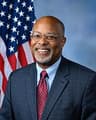 Glenn Ivey
Democrat · Maryland
 William Keating
Democrat · Massachusetts
 Ro Khanna
Democrat · California
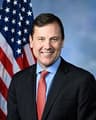 Thomas Kean
Republican · New Jersey
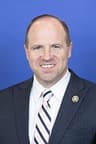 Timothy Kennedy
Democrat · New York
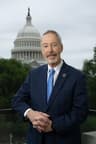 Stephen Lynch
Democrat · Massachusetts
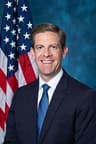 Mike Levin
Democrat · California
 Michael Lawler
Republican · New York
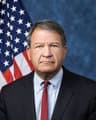 George Latimer
Democrat · New York
 James McGovern
Democrat · Massachusetts
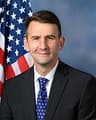 Frank Mrvan
Democrat · Indiana
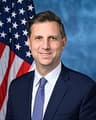 Seth Magaziner
Democrat · Rhode Island
 LaMonica McIver
Democrat · New Jersey
 April McClain Delaney
Democrat · Maryland
 Kristen McDonald Rivet
Democrat · Michigan
 Eleanor Norton
Democrat · District of Columbia
 Donald Norcross
Democrat · New Jersey
 Mark Pocan
Democrat · Wisconsin
 Jimmy Panetta
Democrat · California
 Brittany Pettersen
Democrat · Colorado
 Deborah Ross
Democrat · North Carolina
 Adam Smith
Democrat · Washington
 Thomas Suozzi
Democrat · New York
 Kim Schrier
Democrat · Washington
 Suhas Subramanyam
Democrat · Virginia
 Dina Titus
Democrat · Nevada
 Paul Tonko
Democrat · New York
 Shri Thanedar
Democrat · Michigan
 Jefferson Van Drew
Republican · New Jersey
 Eugene Vindman
Democrat · Virginia
 Debbie Wasserman Schultz
Democrat · Florida
 Bonnie Watson Coleman
Democrat · New Jersey