
A Republican bill with 7 Democratic cosponsors · See all 27 cosponsors
Last activity — Referred to the House Committee on Ways and Means.
In committee
Introduced and handed to a committee in the chamber it started in.
The committee holds it, and most bills are never heard from again. A hearing or a committee vote would be news; silence is the usual outcome, and it kills the bill without anyone voting against it.
Its path through Congress
- Introduced
- In Committee
What this bill would do
This bill, known as the "Aviation Workforce Development Act," aims to change the Internal Revenue Code of 1986. It focuses on amending how qualified tuition programs can be used. Specifically, it seeks to allow distributions for certain aviation maintenance and commercial pilot courses. These changes would expand what counts as a qualified higher education expense. The amendment would apply to distributions made after the act is enacted.
Yes· 3 of 7
- Scored +5
Does this make college cost less?
The bill makes higher education more affordable for aviation students by allowing 529 plan distributions for specialized training.
- Scored +4
Would people in their twenties and thirties be better off under this?
This bill benefits young adults pursuing careers in aviation by expanding their access to educational funding.
- Scored +3
Would middle-income households be better off under this?
The bill provides additional flexibility for families using 529 college savings plans for vocational training.
The opposite
No question was scored the opposite.
Who it would affect, and how
Potential Positive Impacts for People
-
Expanded Use of Tuition Funds: The bill expands the definition of "qualified higher education expense" to include tuition, fees, books, supplies, and equipment for specific aviation training. This allows beneficiaries to use their qualified tuition program funds for these specific costs under Section 2(a)(10)(A).
-
Support for Aviation Maintenance Students: Students attending aviation maintenance technician schools governed by part 147 of title 14, Code of Federal Regulations, would have their expenses covered as qualified expenses under Section 2(a)(10)(B).
-
Support for Commercial Pilot Students: Individuals taking commercial pilot courses at flight schools that provide training as defined in part 61 of title 14, Code of Federal Regulations, or schools holding a certificate under part 141 of title 14, Code of Federal Regulations, would see their expenses recognized as qualified under Section 2(a)(10)(C).
Potential Negative Impacts for People
- No negative impacts are explicitly stated in the provided text.
Groups and Interests Ranking
Every group the model scored this bill for, from -10 to +10. Tap or hover a score for the reason it gave.
- Demographic And Interest Groups
- Would people in their twenties and thirties be better off under this? — This bill benefits young adults pursuing careers in aviation by expanding their access to educational funding. Would middle-income households be better off under this? — The bill provides additional flexibility for families using 529 college savings plans for vocational training. Would business owners be better off under this? — Aviation business owners may benefit from a more robust and specialized workforce. Would households on low incomes be better off under this? — Providing easier access to specialized training funds can assist lower-income individuals in entering high-skill aviation careers.
- Economy And Finance
- Is this likely to create jobs? — By facilitating training for aviation maintenance and pilots, the bill helps develop a workforce for the aviation industry. Is this likely to grow the economy? — Expanding vocational training capabilities can contribute to long-term economic growth in the aviation sector.
- Education And Technology
- Does this make college cost less? — The bill makes higher education more affordable for aviation students by allowing 529 plan distributions for specialized training.
- 9/11/2025
- 1 Cosponsor added.
- 6/12/2025
- 1 Cosponsor added.
- 6/10/2025
- 1 Cosponsor added.
- 6/5/2025
- 1 Cosponsor added.
- 6/3/2025
- 1 Cosponsor added.
- 5/13/2025
- 1 Cosponsor added.
- 4/14/2025
- 1 Cosponsor added.
- 4/9/2025
- 1 Cosponsor added.
- 4/7/2025
- 1 Cosponsor added.
- 3/31/2025
- 1 Cosponsor added.
- 3/25/2025
- 7 Cosponsors added.
- 3/14/2025
- 7 Cosponsors added.
- 3/3/2025
- Referred to the House Committee on Ways and Means.
- 3 Cosponsors added.
- Introduced in House
One bill Congress.gov lists as related to this one — companions in the other chamber, earlier versions, and bills this one absorbed or was folded into.
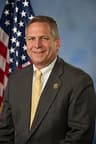 Mike Bost
Republican · Illinois
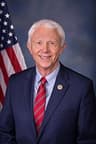 Jack Bergman
Republican · Michigan
 Troy Balderson
Republican · Ohio
 Tom Barrett
Republican · Michigan
 Earl Carter
Republican · Georgia
 Angie Craig
Democrat · Minnesota
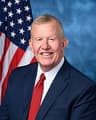 Mike Ezell
Republican · Mississippi
 Brian Fitzpatrick
Republican · Pennsylvania
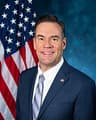 Russ Fulcher
Republican · Idaho
 Julie Johnson
Democrat · Texas
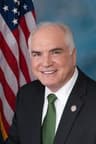 Mike Kelly
Republican · Pennsylvania
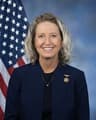 Jennifer Kiggans
Republican · Virginia
 Barry Loudermilk
Republican · Georgia
 Tracey Mann
Republican · Kansas
 Carol Miller
Republican · West Virginia
 Lucy McBath
Democrat · Georgia
 Frank Mrvan
Democrat · Indiana
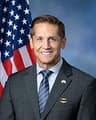 Richard McCormick
Republican · Georgia
 Burgess Owens
Republican · Utah
 Jimmy Panetta
Democrat · California
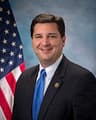 David Rouzer
Republican · North Carolina
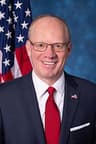 John Rose
Republican · Tennessee
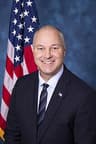 Pete Stauber
Republican · Minnesota
 Hillary Scholten
Democrat · Michigan
 Jefferson Shreve
Republican · Indiana
 Glenn Thompson
Republican · Pennsylvania
 Dina Titus
Democrat · Nevada