
Bonnie Watson Coleman (D-NJ)
CROWN Act of 2025
A Democratic bill with 84 Democratic cosponsors · See all 84 cosponsors
Last activity — Referred to the Committee on the Judiciary, and in addition to the Committee on Education and Workforce, for a period to be subsequently determined by the Speaker, in each case for consideration of such provisions as fall within the jurisdiction of the committee concerned.
In committee
Introduced and handed to a committee in the chamber it started in.
The committee holds it, and most bills are never heard from again. A hearing or a committee vote would be news; silence is the usual outcome, and it kills the bill without anyone voting against it.
Its path through Congress
- Introduced
- In Committee
What this bill would do
This bill, known as the "CROWN Act of 2025," aims to prohibit discrimination based on an individual's hair texture or style. It seeks to expand federal civil rights protections by treating hair characteristics associated with race or national origin as protected categories. The legislation specifically targets discrimination in federally assisted programs, housing, public accommodations, and employment. By updating legal definitions, the bill intends to address disparities faced by people of African descent regarding natural or protective hairstyles. This includes hair such as locs, braids, and Afros.
Yes· 3 of 7
- Scored +9
Would Black Americans be better off under this?
The bill specifically targets discrimination against hairstyles such as locs, braids, and Afros which are commonly associated with people of African descent.
- Scored +8
Does this narrow racial gaps in how people are treated?
The bill prohibits discrimination against people of African descent regarding hair texture and styles commonly associated with their race.
- Scored +3
Would households on low incomes be better off under this?
The bill provides civil rights protections in federally assisted programs which often serve low-income populations.
The opposite
No question was scored the opposite.
Who it would affect, and how
Potential Positive Impacts for People
-
Protection in Federally Assisted Programs: No individual can be excluded from or denied benefits from programs receiving Federal financial assistance based on hair texture or style commonly associated with a specific race or national origin (Section 3).
-
Fairer Housing Practices: The bill prohibits discriminatory housing practices based on hair texture or hairstyles such as cornrows or twists (Section 4).
-
Access to Public Accommodations: People will be protected from discrimination in public accommodations based on hair styles like Bantu knots or Afros (Section 5).
-
Equal Employment Opportunities: Employers, employment agencies, and labor organizations are prohibited from refusing to hire or discharging individuals based on hair texture or style (Section 6).
-
Expanded Civil Rights Protections: The Act intends to provide a more comprehensive scope of protection to eliminate race and national origin discrimination (Section 2).
Potential Negative Impacts for People
- No specific negative impacts or burdens are explicitly mentioned in the provided text.
Groups and Interests Ranking
Every group the model scored this bill for, from -10 to +10. Tap or hover a score for the reason it gave.
- Demographic And Interest Groups
- Would Black Americans be better off under this? — The bill specifically targets discrimination against hairstyles such as locs, braids, and Afros which are commonly associated with people of African descent. Would households on low incomes be better off under this? — The bill provides civil rights protections in federally assisted programs which often serve low-income populations. Would union members be better off under this? — The bill prohibits labor organizations from discriminating based on hair texture or style.
- Social Issues And Justice
- Does this narrow racial gaps in how people are treated? — The bill prohibits discrimination against people of African descent regarding hair texture and styles commonly associated with their race. Does this make housing cost less? — The bill protects against discriminatory housing practices based on hair texture or style.
- Economy And Finance
- Does this strengthen the rights of workers to organise? — The bill prohibits labor organizations from discriminating based on hair texture or style.
- Education And Technology
- Does this make it easier to use public money at a school other than the local one? — The bill addresses the deprivation of educational opportunities based on hair texture or style.
- 11/18/2025
- 1 Cosponsor added.
- 6/17/2025
- 1 Cosponsor added.
- 3/27/2025
- 1 Cosponsor added.
- 3/14/2025
- 1 Cosponsor added.
- 3/11/2025
- 1 Cosponsor added.
- 3/10/2025
- 2 Cosponsors added.
- 3/4/2025
- 1 Cosponsor added.
- 2/27/2025
- 2 Cosponsors added.
- 2/26/2025
- Referred to the Committee on the Judiciary, and in addition to the Committee on Education and Workforce, for a period to be subsequently determined by the Speaker, in each case for consideration of such provisions as fall within the jurisdiction of the committee concerned.
- 74 Cosponsors added.
- Introduced in House
One bill Congress.gov lists as related to this one — companions in the other chamber, earlier versions, and bills this one absorbed or was folded into.
 Alma Adams
Democrat · North Carolina
 Gabe Amo
Democrat · Rhode Island
 Suzanne Bonamici
Democrat · Oregon
 Joyce Beatty
Democrat · Ohio
 Julia Brownley
Democrat · California
 Shontel Brown
Democrat · Ohio
 Wesley Bell
Democrat · Missouri
 Janelle Bynum
Democrat · Oregon
 Emanuel Cleaver
Democrat · Missouri
 Yvette Clarke
Democrat · New York
 Steve Cohen
Democrat · Tennessee
 André Carson
Democrat · Indiana
 Troy Carter
Democrat · Louisiana
 Sheila Cherfilus-McCormick
Democrat · Florida
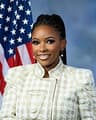 Jasmine Crockett
Democrat · Texas
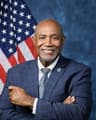 Herbert Conaway
Democrat · New Jersey
 Danny Davis
Democrat · Illinois
 Donald Davis
Democrat · North Carolina
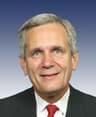 Lloyd Doggett
Democrat · Texas
 Suzan DelBene
Democrat · Washington
 Dwight Evans
Democrat · Pennsylvania
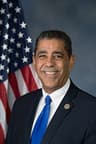 Adriano Espaillat
Democrat · New York
 Cleo Fields
Democrat · Louisiana
 Bill Foster
Democrat · Illinois
 Maxwell Frost
Democrat · Florida
 Valerie Foushee
Democrat · North Carolina
 Laura Friedman
Democrat · California
 Raúl Grijalva
Democrat · Arizona
 Al Green
Democrat · Texas
 Jesús García
Democrat · Illinois
 Steven Horsford
Democrat · Nevada
 Jahana Hayes
Democrat · Connecticut
 Glenn Ivey
Democrat · Maryland
 Henry Johnson
Democrat · Georgia
 Hakeem Jeffries
Democrat · New York
 Pramila Jayapal
Democrat · Washington
 Sara Jacobs
Democrat · California
 Jonathan Jackson
Democrat · Illinois
 Julie Johnson
Democrat · Texas
 Robin Kelly
Democrat · Illinois
 Raja Krishnamoorthi
Democrat · Illinois
 Sydney Kamlager-Dove
Democrat · California
 Timothy Kennedy
Democrat · New York
 Greg Landsman
Democrat · Ohio
 Summer Lee
Democrat · Pennsylvania
 James McGovern
Democrat · Massachusetts
 Kweisi Mfume
Democrat · Maryland
 Gregory Meeks
Democrat · New York
 Gwen Moore
Democrat · Wisconsin
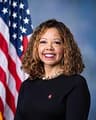 Lucy McBath
Democrat · Georgia
 Morgan McGarvey
Democrat · Kentucky
 Kevin Mullin
Democrat · California
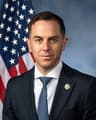 Robert Menendez
Democrat · New Jersey
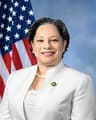 Jennifer McClellan
Democrat · Virginia
 LaMonica McIver
Democrat · New Jersey
 Eleanor Norton
Democrat · District of Columbia
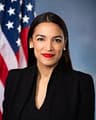 Alexandria Ocasio-Cortez
Democrat · New York
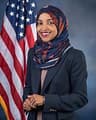 Ilhan Omar
Democrat · Minnesota
 Mark Pocan
Democrat · Wisconsin
 Stacey Plaskett
Democrat · Virgin Islands
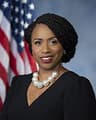 Ayanna Pressley
Democrat · Massachusetts
 Mike Quigley
Democrat · Illinois
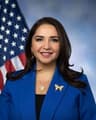 Delia Ramirez
Democrat · Illinois
 Adam Smith
Democrat · Washington
 Marilyn Strickland
Democrat · Washington
 Terri Sewell
Democrat · Alabama
 Mikie Sherrill
Democrat · New Jersey
 Greg Stanton
Democrat · Arizona
 Haley Stevens
Democrat · Michigan
 Emilia Sykes
Democrat · Ohio
 Bennie Thompson
Democrat · Mississippi
 Paul Tonko
Democrat · New York
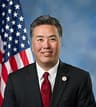 Mark Takano
Democrat · California
 Rashida Tlaib
Democrat · Michigan
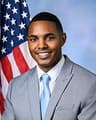 Ritchie Torres
Democrat · New York
 Shri Thanedar
Democrat · Michigan
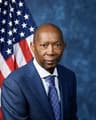 Sylvester Turner
Democrat · Texas
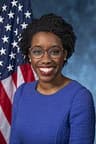 Lauren Underwood
Democrat · Illinois
 Nydia Velázquez
Democrat · New York
 Juan Vargas
Democrat · California
 Marc Veasey
Democrat · Texas
 Maxine Waters
Democrat · California
 Nikema Williams
Democrat · Georgia
 Frederica Wilson
Democrat · Florida