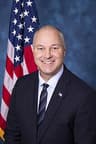
Pete Stauber (R-MN)
Public Safety Employer-Employee Cooperation Act
A Republican bill with 56 Democratic cosponsors · See all 66 cosponsors
Last activity — Referred to the House Committee on Education and Workforce.
In committee
Introduced and handed to a committee in the chamber it started in.
The committee holds it, and most bills are never heard from again. A hearing or a committee vote would be news; silence is the usual outcome, and it kills the bill without anyone voting against it.
Its path through Congress
- Introduced
- In Committee
What this bill would do
The "Public Safety Employer-Employee Cooperation Act" aims to provide collective bargaining rights for public safety officers employed by States or their political subdivisions. The Federal Labor Relations Authority will determine if a State's current laws substantially provide specific rights and responsibilities, such as bargaining over wages and hours. If a State fails to meet these requirements, the Authority will issue regulations to establish collective bargaining procedures. This legislation covers law enforcement officers, firefighters, and emergency medical services personnel. The Act also prohibits certain organized job actions that disrupt emergency services.
Yes· 3 of 5
- Scored +8
Would union members be better off under this?
The bill significantly improves rights for unionized public safety workers by guaranteeing collective bargaining and arbitration.
- Scored +7
Does this strengthen the rights of workers to organise?
The bill strengthens union protections by establishing federal standards for collective bargaining rights for public safety officers.
- Scored +6
Does this give the federal government more power?
The bill increases federal oversight by empowering the Federal Labor Relations Authority to regulate state public safety labor relations.
The opposite
- Scored -3
Would business owners be better off under this?
The bill may increase administrative burdens and labor costs for public safety employers.
- Scored -2
Does this leave more decisions to the states?
The bill potentially limits state autonomy by establishing federal mandates for collective bargaining procedures.
Who it would affect, and how
Potential Positive Impacts for People
-
Establishment of Rights: The bill seeks to provide public safety officers the right to form and join labor organizations and bargain over hours, wages, and working conditions (Section 4(b)).
-
Conflict Resolution: The Act encourages the use of conciliation, mediation, and binding interest arbitration to help employers and employees reach agreements and settle differences (Section 2; Section 4(b)(4)).
-
Workplace Stability: By promoting labor-management cooperation, the bill aims to utilize the strengths of both parties to better serve the public interest and maintain a quality work environment (Section 2).
-
Enhanced Security and Commerce: The policy aims to prevent the lack of cooperation that can impact the security of employees, the upgrading of emergency services, and the normal flow of commerce (Section 2).
Potential Negative Impacts for People
-
Prohibition of Job Actions: Employers, public safety officers, and labor organizations are prohibited from engaging in lockouts, sickouts, work slowdowns, or strikes that measurably disrupt emergency services (Section 6(a)).
-
Federal Oversight of State Laws: The Federal Labor Relations Authority is tasked with determining if State laws provide sufficient rights, which could lead to federal regulations being applied to States that do not meet the specific criteria of this Act (Section 4; Section 5).
Groups and Interests Ranking
Every group the model scored this bill for, from -10 to +10. Tap or hover a score for the reason it gave.
- Economy And Finance
- Does this strengthen the rights of workers to organise? — The bill strengthens union protections by establishing federal standards for collective bargaining rights for public safety officers.
- Demographic And Interest Groups
- Would union members be better off under this? — The bill significantly improves rights for unionized public safety workers by guaranteeing collective bargaining and arbitration. Would business owners be better off under this? — The bill may increase administrative burdens and labor costs for public safety employers.
- Environment Energy And Infrastructure
- Does this improve help for people hit by a disaster? — The bill aims to improve the response capabilities of public safety officers during natural disasters through better employer-employee cooperation.
- Governance And Ideology
- Does this give the federal government more power? — The bill increases federal oversight by empowering the Federal Labor Relations Authority to regulate state public safety labor relations. Does this leave more decisions to the states? — The bill potentially limits state autonomy by establishing federal mandates for collective bargaining procedures.
- Social Issues And Justice
- Does this change how police departments operate? — The bill enhances the working conditions and professional stability of law enforcement officers through collective bargaining.
- 9/15/2026
- 1 Cosponsor added.
- 6/30/2026
- 1 Cosponsor added.
- 6/29/2026
- 1 Cosponsor added.
- 5/21/2026
- 1 Cosponsor added.
- 4/16/2026
- 1 Cosponsor added.
- 4/9/2026
- 1 Cosponsor added.
- 3/24/2026
- 1 Cosponsor added.
- 3/17/2026
- 1 Cosponsor added.
- 3/12/2026
- 2 Cosponsors added.
- 3/5/2026
- 1 Cosponsor added.
- 2/20/2026
- 2 Cosponsors added.
- 2/9/2026
- 2 Cosponsors added.
- 2/5/2026
- 1 Cosponsor added.
- 2/4/2026
- 1 Cosponsor added.
- 12/9/2025
- 1 Cosponsor added.
- 11/4/2025
- 1 Cosponsor added.
- 10/28/2025
- 1 Cosponsor added.
- 10/8/2025
- 1 Cosponsor added.
- 9/26/2025
- 1 Cosponsor added.
- 7/21/2025
- 1 Cosponsor added.
- 7/14/2025
- 2 Cosponsors added.
- 7/10/2025
- 1 Cosponsor added.
- 6/30/2025
- 2 Cosponsors added.
- 6/25/2025
- 3 Cosponsors added.
- 6/23/2025
- 4 Cosponsors added.
- 6/3/2025
- 1 Cosponsor added.
- 5/21/2025
- 1 Cosponsor added.
- 5/13/2025
- 1 Cosponsor added.
- 5/6/2025
- 1 Cosponsor added.
- 4/28/2025
- 1 Cosponsor added.
- 4/7/2025
- 1 Cosponsor added.
- 3/31/2025
- 2 Cosponsors added.
- 3/27/2025
- 1 Cosponsor added.
- 3/18/2025
- 3 Cosponsors added.
- 3/14/2025
- 2 Cosponsors added.
- 3/11/2025
- 1 Cosponsor added.
- 3/10/2025
- 1 Cosponsor added.
- 3/4/2025
- 1 Cosponsor added.
- 3/3/2025
- 2 Cosponsors added.
- 2/27/2025
- 1 Cosponsor added.
- 2/25/2025
- 1 Cosponsor added.
- 2/24/2025
- 1 Cosponsor added.
- 2/21/2025
- Referred to the House Committee on Education and Workforce.
- 9 Cosponsors added.
- Introduced in House
3 bills Congress.gov lists as related to this one — companions in the other chamber, earlier versions, and bills this one absorbed or was folded into.
 Mike Bost
Republican · Illinois
 Nikki Budzinski
Democrat · Illinois
 Robert Bresnahan
Republican · Pennsylvania
 Judy Chu
Democrat · California
 Salud Carbajal
Democrat · California
 Angie Craig
Democrat · Minnesota
 Jason Crow
Democrat · Colorado
 Lloyd Doggett
Democrat · Texas
 Christopher Deluzio
Democrat · Pennsylvania
 Suzan DelBene
Democrat · Washington
 Madeleine Dean
Democrat · Pennsylvania
 Maxine Dexter
Democrat · Oregon
 Sarah Elfreth
Democrat · Maryland
 Brian Fitzpatrick
Republican · Pennsylvania
 Laura Friedman
Democrat · California
 Josh Gottheimer
Democrat · New Jersey
 Jared Golden
Democrat · Maine
 Andrew Garbarino
Republican · New York
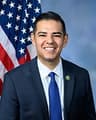 Robert Garcia
Democrat · California
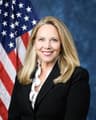 Laura Gillen
Democrat · New York
 Jahana Hayes
Democrat · Connecticut
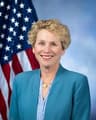 Chrissy Houlahan
Democrat · Pennsylvania
 Josh Harder
Democrat · California
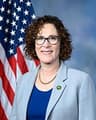 Val Hoyle
Democrat · Oregon
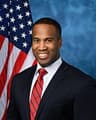 John James
Republican · Michigan
 Marcy Kaptur
Democrat · Ohio
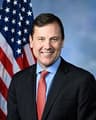 Thomas Kean
Republican · New Jersey
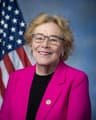 Zoe Lofgren
Democrat · California
 John Larson
Democrat · Connecticut
 Ted Lieu
Democrat · California
 Susie Lee
Democrat · Nevada
 Mike Levin
Democrat · California
 Michael Lawler
Republican · New York
 Greg Landsman
Democrat · Ohio
 Doris Matsui
Democrat · California
 Daniel Meuser
Republican · Pennsylvania
 Frank Mrvan
Democrat · Indiana
 Morgan McGarvey
Democrat · Kentucky
 Seth Magaziner
Democrat · Rhode Island
 April McClain Delaney
Democrat · Maryland
 Kelly Morrison
Democrat · Minnesota
 Kristen McDonald Rivet
Democrat · Michigan
 Sarah McBride
Democrat · Delaware
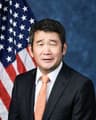 Dave Min
Democrat · California
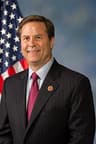 Donald Norcross
Democrat · New Jersey
 Joe Neguse
Democrat · Colorado
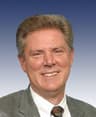 Frank Pallone
Democrat · New Jersey
 Scott Peters
Democrat · California
 Jimmy Panetta
Democrat · California
 Brittany Pettersen
Democrat · Colorado
 Deborah Ross
Democrat · North Carolina
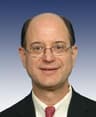 Brad Sherman
Democrat · California
 Christopher Smith
Republican · New Jersey
 Linda Sánchez
Democrat · California
 Marilyn Strickland
Democrat · Washington
 Bradley Schneider
Democrat · Illinois
 Darren Soto
Democrat · Florida
 Mikie Sherrill
Democrat · New Jersey
 Eric Sorensen
Democrat · Illinois
 Andrea Salinas
Democrat · Oregon
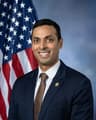 Suhas Subramanyam
Democrat · Virginia
 Dina Titus
Democrat · Nevada
 Derek Tran
Democrat · California
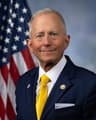 Jefferson Van Drew
Republican · New Jersey
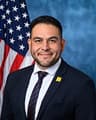 Gabe Vasquez
Democrat · New Mexico
 Eugene Vindman
Democrat · Virginia