
A Democratic bill with 15 Republican cosponsors · See all 50 cosponsors
Last activity — Referred to the House Committee on Energy and Commerce.
In committee
Introduced and handed to a committee in the chamber it started in.
The committee holds it, and most bills are never heard from again. A hearing or a committee vote would be news; silence is the usual outcome, and it kills the bill without anyone voting against it.
Its path through Congress
- Introduced
- In Committee
What this bill would do
The Rural Obstetrics Readiness Act aims to improve obstetric emergency care in rural areas. It establishes an evidence-based training program for practitioners in rural health care facilities that lack dedicated obstetric units. The bill also provides grant funding for the purchase of equipment, supplies, and the hiring of personnel to manage obstetric emergencies. Additionally, it creates a pilot program for teleconsultation to provide urgent maternal health support via statewide or regional networks. Finally, the Act mandates a study to map maternity ward closures and examine regional partnership models for rural obstetric care.
Yes· 3 of 11
- Scored +8
Would women be better off under this?
The bill is specifically designed to improve emergency obstetric care and maternal health services.
- Scored +8
Would people in rural areas be better off under this?
The bill provides critical healthcare resources and training specifically targeted at rural areas.
- Scored +7
Does this make health care easier to get in general?
The bill enhances obstetric emergency care and telehealth access in underserved rural areas.
The opposite
No question was scored the opposite.
Who it would affect, and how
Potential Positive Impacts for People
-
Improved Emergency Care in Rural Areas: The bill establishes an evidence-based program to train practitioners in rural facilities without dedicated obstetric units to prepare for, identify, stabilize, and safely transfer women experiencing conditions like obstetric hemorrhage, severe hypertension, or sepsis. (Section 2)
-
Increased Workforce Capacity and Resources: Through grants, rural health care settings can purchase necessary equipment, provide technical assistance, and hire or pay the salaries of personnel to manage obstetric emergencies. (Section 3)
-
Enhanced Professional Expertise: The bill allows for the establishment of training opportunities, such as clinical rotations or fellowships, to help non-obstetric health professionals gain expertise in obstetric services. (Section s 3)
-
Access to Urgent Consultations via Telehealth: The teleconsultation pilot program supports the development of statewide or regional networks that provide rapid clinical telephone or telehealth consultations to rural providers. (Section 4)
-
Better Community Information: The teleconsultation program assists by providing information to health care providers regarding available maternal health services and assisting with referrals to specialty care or community resources. (Section 4)
Potential Negative Impacts for People
- No negative impacts or burdens are explicitly stated in the provided text.
Groups and Interests Ranking
Every group the model scored this bill for, from -10 to +10. Tap or hover a score for the reason it gave.
- Demographic And Interest Groups
- Would people in rural areas be better off under this? — The bill provides critical healthcare resources and training specifically targeted at rural areas. Would women be better off under this? — The bill is specifically designed to improve emergency obstetric care and maternal health services. Would children be better off under this? — Improved obstetric care directly benefits newborns and maternal-child health. Would households on low incomes be better off under this? — Improved access to rural healthcare often benefits lower-income populations who lack mobility. Would Native Americans be better off under this? — The bill includes support for Tribal organizations in its teleconsultation pilot program.
- Healthcare
- Does this make health care easier to get in general? — The bill enhances obstetric emergency care and telehealth access in underserved rural areas. Does this make mental health care easier to get? — The bill includes provisions for perinatal mental health and access to behavioral health resources via telehealth. Does this put more money into medical research? — The bill mandates a study on maternity ward closures and patient transport patterns.
- Environment Energy And Infrastructure
- Does this invest in rural communities? — The bill provides essential medical infrastructure and telehealth support to rural communities.
- Economy And Finance
- Is this likely to create jobs? — The bill provides funding to hire additional personnel for rural obstetric services.
- Education And Technology
- Does this put more money into scientific research? — The bill funds a study regarding obstetric care patterns and maternity ward closures.
- 10/22/2026
- 2 Cosponsors added.
- 10/15/2026
- 1 Cosponsor added.
- 9/10/2026
- 1 Cosponsor added.
- 7/16/2026
- 1 Cosponsor added.
- 5/14/2026
- 1 Cosponsor added.
- 4/14/2026
- 1 Cosponsor added.
- 2/23/2026
- 1 Cosponsor added.
- 1/13/2026
- 1 Cosponsor added.
- 1/12/2026
- 1 Cosponsor added.
- 1/8/2026
- 1 Cosponsor added.
- 12/19/2025
- 1 Cosponsor added.
- 12/18/2025
- 1 Cosponsor added.
- 12/16/2025
- 1 Cosponsor added.
- 9/9/2025
- 1 Cosponsor added.
- 7/29/2025
- 1 Cosponsor added.
- 7/17/2025
- 1 Cosponsor added.
- 6/23/2025
- 1 Cosponsor added.
- 5/19/2025
- 1 Cosponsor added.
- 5/5/2025
- 1 Cosponsor added.
- 4/21/2025
- 1 Cosponsor added.
- 4/14/2025
- 1 Cosponsor added.
- 4/7/2025
- 2 Cosponsors added.
- 4/1/2025
- 4 Cosponsors added.
- 3/27/2025
- 2 Cosponsors added.
- 3/24/2025
- 3 Cosponsors added.
- 3/21/2025
- 5 Cosponsors added.
- 3/18/2025
- 3 Cosponsors added.
- 3/11/2025
- 5 Cosponsors added.
- 3/6/2025
- 1 Cosponsor added.
- 2/12/2025
- Referred to the House Committee on Energy and Commerce.
- 3 Cosponsors added.
- Introduced in House
One bill Congress.gov lists as related to this one — companions in the other chamber, earlier versions, and bills this one absorbed or was folded into.
 Alma Adams
Democrat · North Carolina
 Sanford Bishop
Democrat · Georgia
 Cliff Bentz
Republican · Oregon
 Jack Bergman
Republican · Michigan
 Nikki Budzinski
Democrat · Illinois
 Robert Bresnahan
Republican · Pennsylvania
 Salud Carbajal
Democrat · California
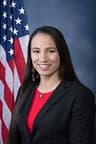 Sharice Davids
Democrat · Kansas
 Maxine Dexter
Democrat · Oregon
 Brian Fitzpatrick
Republican · Pennsylvania
 Shomari Figures
Democrat · Alabama
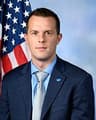 Jared Golden
Democrat · Maine
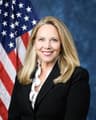 Laura Gillen
Democrat · New York
 Adelita Grijalva
Democrat · Arizona
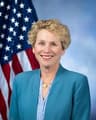 Chrissy Houlahan
Democrat · Pennsylvania
 Ro Khanna
Democrat · California
 Young Kim
Republican · California
 Teresa Leger Fernandez
Democrat · New Mexico
 Zoe Lofgren
Democrat · California
 Michael Lawler
Republican · New York
 George Latimer
Democrat · New York
 Seth Moulton
Democrat · Massachusetts
 Daniel Meuser
Republican · Pennsylvania
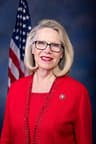 Carol Miller
Republican · West Virginia
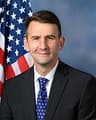 Frank Mrvan
Democrat · Indiana
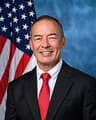 James Moylan
Republican · Guam
 Jennifer McClellan
Democrat · Virginia
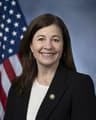 Kristen McDonald Rivet
Democrat · Michigan
 Sarah McBride
Democrat · Delaware
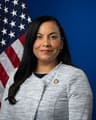 Analilia Mejia
Democrat · New Jersey
 Zachary Nunn
Republican · Iowa
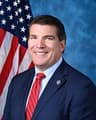 Jay Obernolte
Republican · California
 Chellie Pingree
Democrat · Maine
 Mark Pocan
Democrat · Wisconsin
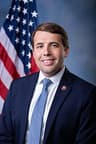 Chris Pappas
Democrat · New Hampshire
 Brittany Pettersen
Democrat · Colorado
 Deborah Ross
Democrat · North Carolina
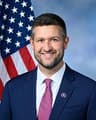 Patrick Ryan
Democrat · New York
 Emily Randall
Democrat · Washington
 Adam Smith
Democrat · Washington
 Kim Schrier
Democrat · Washington
 Emilia Sykes
Democrat · Ohio
 Mike Thompson
Democrat · California
 Glenn Thompson
Republican · Pennsylvania
 Rashida Tlaib
Democrat · Michigan
 Lori Trahan
Democrat · Massachusetts
 Joe Wilson
Republican · South Carolina
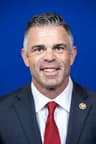 Tony Wied
Republican · Wisconsin
 James Walkinshaw
Democrat · Virginia
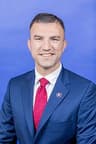 Rudy Yakym
Republican · Indiana