A Democratic bill with 25 Democratic cosponsors · See all 25 cosponsors
Last activity — Referred to the House Committee on Education and Workforce.
In committee
Introduced and handed to a committee in the chamber it started in.
The committee holds it, and most bills are never heard from again. A hearing or a committee vote would be news; silence is the usual outcome, and it kills the bill without anyone voting against it.
Its path through Congress
- Introduced
- In Committee
What this bill would do
The "Fair Play for Women Act" aims to prevent discrimination against athletes based on sex within various educational athletic settings. It targets State athletic associations, intercollegiate athletic associations, and covered institutions of higher education. The bill seeks to address gaps in participation opportunities and financial support for women and girls in sports. It implements stricter data collection and disclosure requirements for schools and colleges regarding their athletic programs. Additionally, the Act mandates annual training for employees and athletes concerning their rights under Title IX. Finally, it provides for a private right of action for individuals seeking relief due to discrimination.
Yes· 3 of 10
- Scored +8
Would women be better off under this?
The bill significantly strengthens the rights of female athletes through enhanced legal recourse and stricter enforcement of participation requirements.
- Scored +7
Does this narrow the gap between how men and women are treated?
The bill proactively addresses gender gaps in athletic participation and funding through stricter enforcement and data transparency.
- Scored +6
Does this make what the government does easier for the public to see?
The bill mandates more detailed public reporting and creates a searchable database for Title IX coordinators.
The opposite
- Scored -2
Does this put more money into public schools?
The bill imposes new administrative and training costs on elementary and secondary schools.
Who it would affect, and how
Potential Positive Impacts for People
-
Enhanced Legal Recourse: Individuals who participate or have participated in athletics can bring lawsuits in Federal or State courts to seek relief for discrimination, which may include compensatory damages for financial injuries, emotional distress, and pain and suffering (Section 5(c)).
-
Increased Transparency through Data: Institutions of higher education must publish detailed reports on their athletic programs, including the number of participants by team, scholarship amounts, and revenue/expense disaggregation by gender (Section 6(a)).
-
Better Information for Parents and Students: Schools are required to make detailed athletic statistics available to students, potential students, and parents upon request (Section 6(b)(3)).
-
Improved Awareness of Rights: The bill mandates annual training for employees and athletes to ensure they understand their non-discrimination rights and how to submit complaints (Section 7).
-
Public Accountability for Schools: The Secretary of Education is tasked with preparing and publishing reports on gender equity that identify participant and funding gaps (Section 6(a)(5)).
Potential Negative Impacts for People
-
Financial Burdens on Institutions: Institutions may face costs associated with mandatory annual training for employees and athletes (Section 7), as well as the administrative burden of collecting and submitting detailed annual reports (Section 6).
-
Risk of Civil Penalties: The Secretary of Education has the authority to impose civil penalties on schools or agencies found to be in noncompliance with training requirements (Section 8(b)).
-
Potential for Litigation: The creation of a private right of action allows individuals to sue athletic associations and institutions, which may lead to legal disputes (Section 5(c)).
Groups and Interests Ranking
Every group the model scored this bill for, from -10 to +10. Tap or hover a score for the reason it gave.
- Demographic And Interest Groups
- Would women be better off under this? — The bill significantly strengthens the rights of female athletes through enhanced legal recourse and stricter enforcement of participation requirements. Would children be better off under this? — The bill protects the rights of young athletes through mandated training and improved oversight. Would students be better off under this? — The bill provides students with better access to information regarding their athletic rights and opportunities. Would Black Americans be better off under this? — The bill's requirement for racial data collection aims to address unequal resources often faced by students of color. Would Hispanic Americans be better off under this? — The bill's focus on collecting disaggregated racial data may help address inequities affecting students of color. Would households on low incomes be better off under this? — The increased transparency regarding athletic scholarships may better inform low-income families about available aid.
- Social Issues And Justice
- Does this narrow the gap between how men and women are treated? — The bill proactively addresses gender gaps in athletic participation and funding through stricter enforcement and data transparency. Does this narrow racial gaps in how people are treated? — The bill requires the collection and disclosure of race-based athletic data to highlight potential inequities in participation and support.
- Governance And Ideology
- Does this make what the government does easier for the public to see? — The bill mandates more detailed public reporting and creates a searchable database for Title IX coordinators.
- Economy And Finance
- Does this give people more protection from unfair business practices? — The bill increases transparency through mandatory reporting of athletic expenditures and participation data.
- Education And Technology
- Does this put more money into public schools? — The bill imposes new administrative and training costs on elementary and secondary schools.
- 1/22/2026
- 1 Cosponsor added.
- 3/31/2025
- 1 Cosponsor added.
- 2/24/2025
- 1 Cosponsor added.
- 2/11/2025
- Referred to the House Committee on Education and Workforce.
- 22 Cosponsors added.
- Introduced in House
One bill Congress.gov lists as related to this one — companions in the other chamber, earlier versions, and bills this one absorbed or was folded into.
 Suzanne Bonamici
Democrat · Oregon
 Kathy Castor
Democrat · Florida
 Yvette Clarke
Democrat · New York
 André Carson
Democrat · Indiana
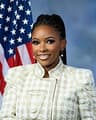 Jasmine Crockett
Democrat · Texas
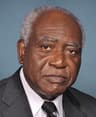 Danny Davis
Democrat · Illinois
 Raúl Grijalva
Democrat · Arizona
 Al Green
Democrat · Texas
 Henry Johnson
Democrat · Georgia
 Pramila Jayapal
Democrat · Washington
 Sydney Kamlager-Dove
Democrat · California
 Rick Larsen
Democrat · Washington
 Seth Magaziner
Democrat · Rhode Island
 Eleanor Norton
Democrat · District of Columbia
 Emily Randall
Democrat · Washington
 Linda Sánchez
Democrat · California
 Mikie Sherrill
Democrat · New Jersey
 Emilia Sykes
Democrat · Ohio
 Andrea Salinas
Democrat · Oregon
 Rashida Tlaib
Democrat · Michigan
 Lori Trahan
Democrat · Massachusetts
 Jill Tokuda
Democrat · Hawaii
 Shri Thanedar
Democrat · Michigan
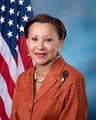 Nydia Velázquez
Democrat · New York
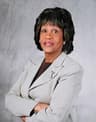 Maxine Waters
Democrat · California