
Rashida Tlaib (D-MI)
Get the Flock Out of Our Communities Act
A Democratic bill with 6 Democratic cosponsors · See all 6 cosponsors
Last activity — Referred to the Committee on Oversight and Government Reform, and in addition to the Committee on the Judiciary, for a period to be subsequently determined by the Speaker, in each case for consideration of such provisions as fall within the jurisdiction of the committee concerned.
In committee
Introduced and handed to a committee in the chamber it started in.
The committee holds it, and most bills are never heard from again. A hearing or a committee vote would be news; silence is the usual outcome, and it kills the bill without anyone voting against it.
Its path through Congress
- Introduced
- In Committee
What this bill would do
This bill is known as the Get the Flock Out of Our Communities Act. It stops the use of Federal funds to buy, run, or maintain automated mass surveillance systems. These banned systems include automatic license plate readers, biometric surveillance systems, and facial recognition technology. Agencies and local governments must remove these surveillance systems within 30 days of the bill's enactment. They must also permanently delete any prohibited data within 7 days. Additionally, any data obtained in violation of this section cannot be used as evidence in court or administrative proceedings.
Yes· 3 of 6
- Scored +9
Does this protect people from being watched or searched?
The bill strongly protects individuals' privacy by banning automated mass surveillance and mandating data deletion.
- Scored +8
Does this give people more control over their personal data?
The bill requires the permanent deletion of automated mass surveillance data and protects individuals from government tracking.
- Scored +7
Does this change how police departments operate?
The bill restricts police departments from using automated mass surveillance systems such as facial recognition and automatic license plate readers.
The opposite
- Scored -8
Does this give the government more power to monitor people inside the country?
The bill prohibits federal, state, and local agencies from using automated mass surveillance systems and associated data.
- Scored -5
Does this give the federal government more power?
The bill conditions certain federal grant programs on state and local compliance with surveillance prohibitions.
Who it would affect, and how
Potential Positive Impacts for People
-
Ban on Federal Funding for Surveillance: Under Section 2(a), the bill stops the use of Federal funds to buy, install, or operate automated mass surveillance systems, including license plate readers and facial recognition technology. This protects people from having government money spent on tracking them.
-
Removal of Surveillance Systems: Under Section 2(c), agencies, States, and local governments must remove any automated mass surveillance systems that use Federal funds within 30 days of enactment. This ensures that existing tracking equipment is quickly taken out of service.
-
Data Deletion: Under Section 2(d), agencies and local governments must permanently delete prohibited automated mass surveillance data within 7 days of enactment. This protects people by wiping away stored information gathered by these systems.
-
Inadmissibility of Illegotimate Data: Under Section 2(e), data obtained in violation of this section cannot be admitted into evidence in any court or administrative proceeding. This protects individuals from having illegally gathered surveillance data used against them.
Potential Negative Impacts for People
- Loss of Federal Grant Funding: Under Section 2(f), States and local governments must certify that they do not maintain or operate any automated mass surveillance systems to be eligible for funding under covered programs like Byrne and COPS grant programs. If they fail to provide this certification, they will lose eligibility for these Federal funds, which could negatively impact local law enforcement and community programs that rely on this money.
Groups and Interests Ranking
Every group the model scored this bill for, from -10 to +10. Tap or hover a score for the reason it gave.
- Governance And Ideology
- Does this protect people from being watched or searched? — The bill strongly protects individuals' privacy by banning automated mass surveillance and mandating data deletion. Does this protect the right to fair treatment by the courts? — The bill prohibits data obtained in violation of surveillance restrictions from being admitted into evidence in court or administrative proceedings. Does this make what the government does easier for the public to see? — The bill limits covert mass surveillance by government and law enforcement agencies. Does this give the federal government more power? — The bill conditions certain federal grant programs on state and local compliance with surveillance prohibitions.
- Education And Technology
- Does this give people more control over their personal data? — The bill requires the permanent deletion of automated mass surveillance data and protects individuals from government tracking. Does this put more rules on large technology companies? — The bill places strict prohibitions on the deployment and use of automated mass surveillance technologies and associated components.
- National Security And Foreign Policy
- Does this give the government more power to monitor people inside the country? — The bill prohibits federal, state, and local agencies from using automated mass surveillance systems and associated data.
- Social Issues And Justice
- Does this change how police departments operate? — The bill restricts police departments from using automated mass surveillance systems such as facial recognition and automatic license plate readers.
- 10/13/2026
- Referred to the Committee on Oversight and Government Reform, and in addition to the Committee on the Judiciary, for a period to be subsequently determined by the Speaker, in each case for consideration of such provisions as fall within the jurisdiction of the committee concerned.
- 6 Cosponsors added.
- Introduced in House
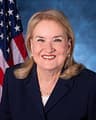 Sylvia Garcia
Democrat · Texas
 Summer Lee
Democrat · Pennsylvania
 Ilhan Omar
Democrat · Minnesota
 Delia Ramirez
Democrat · Illinois
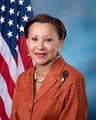 Nydia Velázquez
Democrat · New York
 Bonnie Watson Coleman
Democrat · New Jersey