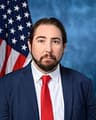
Elijah Crane (R-AZ)
Nicholas Douglas Quets Border Travel Safety Act
A Republican bill with 1 Democratic cosponsor · See all 2 cosponsors
Last activity — Referred to the House Committee on Foreign Affairs.
In committee
Introduced and handed to a committee in the chamber it started in.
The committee holds it, and most bills are never heard from again. A hearing or a committee vote would be news; silence is the usual outcome, and it kills the bill without anyone voting against it.
Its path through Congress
- Introduced
- In Committee
What this bill would do
This bill is known as the Nicholas Douglas Quets Border Travel Safety Act. It requires the Department of Homeland Security and U.S. Customs and Border Protection to install and maintain warning signs near the southern border. These signs will warn travelers about dangerous areas identified in Department of State Travel Advisories. The signs will be placed at land ports of entry, approach roadways, and other visible locations. They will include details like QR codes, risk indicators, and English and Spanish text. The bill also mandates annual reviews of the signage and reports to Congress without authorizing any additional funds.
Yes· 3 of 9
- Scored +3
Does this make what the government does easier for the public to see?
The bill increases transparency by requiring clear signage regarding foreign travel advisories and reporting implementation to Congress.
- Scored +3
Does this tighten control of the border?
The bill mandates installing warning signage at southern land ports of entry to improve awareness of cross-border security risks.
- Scored +2
Would people in their twenties and thirties be better off under this?
Travelers of all ages, including young adults traveling across the border, benefit from increased safety awareness.
The opposite
No question was scored the opposite.
Who it would affect, and how
Potential Positive Impacts for People
-
Section 2(d)(1) and Section 2(e)(4): Installing warning signage informs travelers of dangerous areas or routes near the southern border that are identified in Department of State Travel Advisories. This helps individuals make informed travel decisions and improves public safety by increasing awareness of security risks.
-
Section 2(e)(4)(D): Requiring the signage to be displayed in English, Spanish, and any other appropriate languages ensures that a wider group of travelers can understand the warnings and stay safe.
-
Section 2(e)(4)(B) and (C): Providing additional safety information like QR codes, travel advisory website links, and formats that can be swiftly and easily updated allows travelers to access real-time safety information and incident alerts.
Potential Negative Impacts for People
- The provided text does not explicitly identify any potential negative consequences, burdens, or negative impacts for individuals or groups of people in the United States.
Groups and Interests Ranking
Every group the model scored this bill for, from -10 to +10. Tap or hover a score for the reason it gave.
- Demographic And Interest Groups
- Would Hispanic Americans be better off under this? — Bilingual Spanish-language signage directly helps Spanish-speaking travelers navigate and understand border safety risks. Would immigrants be better off under this? — Bilingual signage and accessible travel safety information assist immigrants and cross-border travelers in avoiding dangerous cartel-controlled regions. Would people in middle age be better off under this? — Middle-aged travelers benefit from better safety information regarding dangerous areas near the southern border. Would people over 65 be better off under this? — Senior citizens traveling near the southern border are better protected through informed travel decision-making. Would white Americans be better off under this? — Travelers passing through southern border ports of entry, including white Americans, benefit from enhanced safety warnings. Would people in their twenties and thirties be better off under this? — Travelers of all ages, including young adults traveling across the border, benefit from increased safety awareness.
- Governance And Ideology
- Does this make what the government does easier for the public to see? — The bill increases transparency by requiring clear signage regarding foreign travel advisories and reporting implementation to Congress.
- Social Issues And Justice
- Does this tighten control of the border? — The bill mandates installing warning signage at southern land ports of entry to improve awareness of cross-border security risks.
- Environment Energy And Infrastructure
- Does this repair or build roads and bridges? — The bill requires placing safety and travel warning signage along roadways and routes approaching southern land ports of entry.
- 10/1/2026
- Referred to the House Committee on Foreign Affairs.
- 2 Cosponsors added.
- Introduced in House
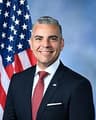 Juan Ciscomani
Republican · Arizona
 Greg Stanton
Democrat · Arizona