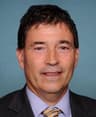
A Republican bill with 3 Republican cosponsors · See all 3 cosponsors
Last activity — Referred to the House Committee on Energy and Commerce.
In committee
Introduced and handed to a committee in the chamber it started in.
The committee holds it, and most bills are never heard from again. A hearing or a committee vote would be news; silence is the usual outcome, and it kills the bill without anyone voting against it.
Its path through Congress
- Introduced
- In Committee
What this bill would do
This bill is called the Medicaid Integrity Improvement Act. It amends title XIX of the Social Security Act. The legislation requires State Medicaid fraud control units to conduct annual audits. These audits must look at a statistically valid sample of high-risk providers and suppliers. The goal is to identify potential fraud, waste, and abuse.
Yes· 3 of 7
- Scored +5
Does this make the government pay for what it commits to?
By mandating fraud, waste, and abuse audits in Medicaid, the legislation enforces greater accountability and stewardship over public funds.
- Scored +5
Does this make what the government does easier for the public to see?
The bill mandates that State entities include summaries of audits and overpayment collections in their annual reports to the Secretary.
- Scored +4
Does this reduce what the federal government spends?
The bill requires annual audits of high-risk Medicaid providers and suppliers to identify and collect overpayments, helping to reduce wasteful government spending.
The opposite
- Scored -2
Does this leave more decisions to the states?
It imposes mandatory federal audit guidelines and reporting standards that State Medicaid fraud control units must follow.
Who it would affect, and how
Potential Positive Impacts for People
-
Section 2 (Adding paragraph (8)(A)): This section requires State entities to audit a statistically valid sample of high-risk providers and suppliers at least annually to find potential fraud, waste, and abuse. This is positive because it helps protect taxpayer dollars and the Medicaid program from dishonest practices.
-
Section 2 (Adding paragraph (8)(B)): This section requires entities to include a summary of these audits in their annual report to the Secretary, including details on overpayments identified and collected. This is positive because it holds officials accountable and shows the public whether money lost to errors or cheating is actually being recovered.
Potential Negative Impacts for People
- Based on the provided text, there are no specific negative impacts or burdens for individuals or groups of people mentioned in the bill.
Groups and Interests Ranking
Every group the model scored this bill for, from -10 to +10. Tap or hover a score for the reason it gave.
- Economy And Finance
- Does this make the government pay for what it commits to? — By mandating fraud, waste, and abuse audits in Medicaid, the legislation enforces greater accountability and stewardship over public funds. Does this reduce what the federal government spends? — The bill requires annual audits of high-risk Medicaid providers and suppliers to identify and collect overpayments, helping to reduce wasteful government spending.
- Demographic And Interest Groups
- Would households on low incomes be better off under this? — Safeguarding Medicaid from fraud and abuse ensures that public resources remain available for low-income individuals who rely on the program for healthcare. Would people over 65 be better off under this? — Protecting the integrity of the Medicaid program helps ensure that vulnerable populations, including elderly participants, retain access to vital health benefits.
- Governance And Ideology
- Does this make what the government does easier for the public to see? — The bill mandates that State entities include summaries of audits and overpayment collections in their annual reports to the Secretary. Does this give the federal government more power? — The legislation establishes new federal audit requirements and conditions for the certification of State Medicaid fraud control units. Does this leave more decisions to the states? — It imposes mandatory federal audit guidelines and reporting standards that State Medicaid fraud control units must follow.
- Healthcare
- Does this put more money into Medicaid, the health coverage for people on low incomes? — By rooting out fraud and recovering improper payments, the bill helps preserve and protect Medicaid resources for legitimate healthcare needs.
- 9/28/2026
- Referred to the House Committee on Energy and Commerce.
- 3 Cosponsors added.
- Introduced in House
One bill Congress.gov lists as related to this one — companions in the other chamber, earlier versions, and bills this one absorbed or was folded into.
 Gus Bilirakis
Republican · Florida
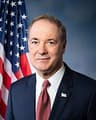 John Joyce
Republican · Pennsylvania
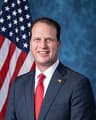 August Pfluger
Republican · Texas