A Republican bill with 19 Democratic cosponsors · See all 33 cosponsors
Last activity — Referred to the House Committee on Education and Workforce.
In committee
Introduced and handed to a committee in the chamber it started in.
The committee holds it, and most bills are never heard from again. A hearing or a committee vote would be news; silence is the usual outcome, and it kills the bill without anyone voting against it.
Its path through Congress
- Introduced
- In Committee
What this bill would do
This bill, known as the "CONSTRUCTS Act of 2025," aims to amend the Workforce Innovation and Opportunity Act. It seeks to expand training and outreach for careers in the residential construction industry through junior colleges, community colleges, and technical schools. The Secretary of Labor will award competitive grants to these entities to build skills in various trades like carpentry, electrical work, and plumbing. Priority is given to programs serving rural areas or underserved populations. The program includes provisions for job placement and supportive services to ensure individual success.
Yes· 3 of 11
- Scored +5
Would households on low incomes be better off under this?
The bill explicitly includes low-income individuals as a priority underserved population for training and support.
- Scored +5
Would veterans be better off under this, taking everything together?
The bill includes veterans as an underserved population eligible for priority in receiving training and outreach services.
- Scored +5
Is this likely to create jobs?
The bill funds training programs for various residential construction trades to expand workforce capacity.
The opposite
No question was scored the opposite.
Who it would affect, and how
Potential Positive Impacts for People
-
Expanded Career Training: The bill allows for the creation of programs that teach essential skills such as carpentry, framing, masonry, welding, plumbing, electrical work, and HVAC, providing people with paths into the residential construction industry (Section 2(f)(1)(A)).
-
Support for Underserved Communities: Priority is given to entities that serve rural areas or underserved populations, which includes low-income individuals, veterans, and those with barriers to employment (Section 2(b)(1) and 2(e)).
-
Increased Housing Affordability: The grant application process requires entities to describe how their training and outreach will increase the supply of affordable housing in the local market (Section 2(d)(5)).
-
Flexibility for Working Individuals: To help those who cannot attend traditional daytime classes, the bill requires the use of flexible schedules, such as night classes, part-time schedules, and online curricula (Section 2(g)(1)).
-
Job Placement Assistance: Recipients are required to provide supportive services for job searches and placement to help individuals achieve their career goals (Section 2(g)(2)).
-
Financial Support: Funds may be used to provide scholarships for training programs or for costs related to tests and coursework for certification (Section 2(f)(2)(D)).
Potential Negative Impacts for People
- Grant Duration Limits: Grants are awarded for a period of no more than 4 years, which means programs and their associated benefits are not guaranteed to be permanent (Section 2(b)(1)).
Groups and Interests Ranking
Every group the model scored this bill for, from -10 to +10. Tap or hover a score for the reason it gave.
- Demographic And Interest Groups
- Would households on low incomes be better off under this? — The bill explicitly includes low-income individuals as a priority underserved population for training and support. Would veterans be better off under this, taking everything together? — The bill includes veterans as an underserved population eligible for priority in receiving training and outreach services. Would people in rural areas be better off under this? — The bill prioritizes the establishment of training programs and clinics specifically within rural areas. Would people in their twenties and thirties be better off under this? — The bill targets 'opportunity youth' and in-school youth through expanded vocational training and outreach. Would Hispanic Americans be better off under this? — The bill includes underserved populations defined by race or ethnicity as priority groups for construction career training.
- Economy And Finance
- Is this likely to create jobs? — The bill funds training programs for various residential construction trades to expand workforce capacity. Does this make it easier to run a small business? — The bill facilitates partnerships between training entities and local residential construction businesses or developers.
- Social Issues And Justice
- Does this make housing cost less? — The bill requires grant applicants to describe how training will increase the supply of affordable housing. Is this likely to lift people out of poverty? — The bill targets low-income individuals and underserved populations through skill-building and job placement services.
- Environment Energy And Infrastructure
- Does this invest in rural communities? — The bill gives priority to entities that serve rural areas for construction training and outreach.
- Education And Technology
- Does this make college cost less? — The bill allows grant funds to be used for scholarships for training, tests, and coursework.
- 8/20/2026
- 1 Cosponsor added.
- 7/9/2026
- 2 Cosponsors added.
- 6/18/2026
- 1 Cosponsor added.
- 4/27/2026
- 1 Cosponsor added.
- 2/23/2026
- 1 Cosponsor added.
- 2/4/2026
- 1 Cosponsor added.
- 12/16/2025
- 1 Cosponsor added.
- 10/31/2025
- 1 Cosponsor added.
- 9/26/2025
- 1 Cosponsor added.
- 9/23/2025
- 1 Cosponsor added.
- 9/17/2025
- 1 Cosponsor added.
- 9/15/2025
- 1 Cosponsor added.
- 9/8/2025
- 1 Cosponsor added.
- 9/2/2025
- 2 Cosponsors added.
- 7/23/2025
- 1 Cosponsor added.
- 7/14/2025
- 1 Cosponsor added.
- 6/23/2025
- 4 Cosponsors added.
- 6/20/2025
- 3 Cosponsors added.
- 4/28/2025
- 1 Cosponsor added.
- 4/14/2025
- 1 Cosponsor added.
- 3/24/2025
- 2 Cosponsors added.
- 3/18/2025
- 1 Cosponsor added.
- 2/6/2025
- Referred to the House Committee on Education and Workforce.
- 3 Cosponsors added.
- Introduced in House
4 bills Congress.gov lists as related to this one — companions in the other chamber, earlier versions, and bills this one absorbed or was folded into.
 Mark Alford
Republican · Missouri
 Gabe Amo
Democrat · Rhode Island
 Jack Bergman
Republican · Michigan
 Janelle Bynum
Democrat · Oregon
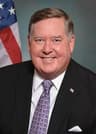 Ken Calvert
Republican · California
 Jim Costa
Democrat · California
 Donald Davis
Democrat · North Carolina
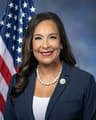 Monica De La Cruz
Republican · Texas
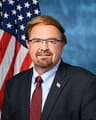 Chuck Edwards
Republican · North Carolina
 Gabe Evans
Republican · Colorado
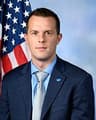 Jared Golden
Democrat · Maine
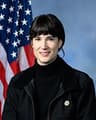 Marie Perez
Democrat · Washington
 Josh Harder
Democrat · California
 William Keating
Democrat · Massachusetts
 Teresa Leger Fernandez
Democrat · New Mexico
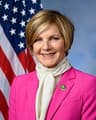 Susie Lee
Democrat · Nevada
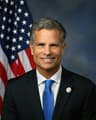 Daniel Meuser
Republican · Pennsylvania
 Carol Miller
Republican · West Virginia
 Seth Magaziner
Democrat · Rhode Island
 Sarah McBride
Democrat · Delaware
 Dan Newhouse
Republican · Washington
 Joe Neguse
Democrat · Colorado
 Zachary Nunn
Republican · Iowa
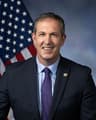 Johnny Olszewski
Democrat · Maryland
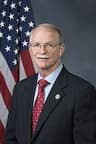 John Rutherford
Republican · Florida
 Jefferson Shreve
Republican · Indiana
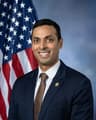 Suhas Subramanyam
Democrat · Virginia
 Lori Trahan
Democrat · Massachusetts
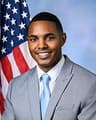 Ritchie Torres
Democrat · New York
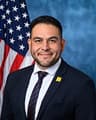 Gabe Vasquez
Democrat · New Mexico
 Eugene Vindman
Democrat · Virginia
 Robert Wittman
Republican · Virginia
 Ryan Zinke
Republican · Montana