A Republican bill with 3 Democratic cosponsors · See all 7 cosponsors
Last activity — Referred to the Subcommittee on Health.
In committee
Introduced and handed to a committee in the chamber it started in.
The committee holds it, and most bills are never heard from again. A hearing or a committee vote would be news; silence is the usual outcome, and it kills the bill without anyone voting against it.
Its path through Congress
- Introduced
- In Committee
What this bill would do
This bill directs the Secretary of Veterans Affairs to establish a three-year pilot program aimed at improving access to dental services for veterans living in rural areas. Under the pilot program, the Department of Veterans Affairs will partner with community-based dental providers through contracts and reimbursements to offer basic, preventive, restorative, and urgent dental care. The legislation also establishes a working group to evaluate rural dental access challenges and requires the Secretary to submit a comprehensive report to Congress. Additionally, the bill authorizes specific funding amounts for fiscal years 2027 through 2030 to support these efforts.
Yes· 3 of 9
- Scored +8
Would veterans be better off under this, taking everything together?
The entire Act is dedicated to improving dental care access, outreach, and benefits for rural and homeless veterans.
- Scored +7
Does this help veterans get medical care?
The bill establishes a pilot program and working group specifically designed to improve access to and awareness of community-based dental services for veterans residing in rural areas.
- Scored +6
Does this increase the pay, pensions or support veterans receive?
The legislation authorizes substantial funding and establishes a pilot program to furnish comprehensive dental services and support to rural and homeless veterans.
The opposite
No question was scored the opposite.
Who it would affect, and how
Potential Positive Impacts for People
-
Section 2(a)(1) directs the Secretary to establish a pilot program that furnishes basic, preventive, restorative, and urgent dental services to eligible rural veterans through community-based providers, which helps veterans in remote areas get necessary dental care.
-
Section 2(b)(2) allows homeless veterans to use alternative forms of verification to prove eligibility and waives certain enrollment requirements, ensuring that vulnerable homeless veterans living in rural areas can access dental services.
-
Section 2(d) requires the Secretary to maintain and update a publicly available directory of community-based dental providers, making it easier for veterans to find local dentists willing to provide care.
-
Section 2(e)(3)(C)(i) protects veterans by requiring participating providers to accept the established reimbursement rate as payment in full, preventing providers from billing the veteran any extra amounts for covered services.
-
Section 2(f)(2)(B) mandates the designation of a specific point of contact at each pilot location to coordinate eligibility, work with providers, and assist veterans in accessing services, giving veterans a direct local helper.
Potential Negative Impacts for People
- Section 2(e)(2) permits participating entities to furnish additional non-covered, medically necessary outpatient dental services that veterans may be charged for, which could create unexpected out-of-pocket costs for veterans who elect to receive these extra procedures.
Groups and Interests Ranking
Every group the model scored this bill for, from -10 to +10. Tap or hover a score for the reason it gave.
- Demographic And Interest Groups
- Would veterans be better off under this, taking everything together? — The entire Act is dedicated to improving dental care access, outreach, and benefits for rural and homeless veterans. Would people in rural areas be better off under this? — The legislation targets dental access challenges specifically for individuals and veterans residing in rural areas through mobile clinics and community provider partnerships. Would households on low incomes be better off under this? — The bill includes specific provisions and alternative eligibility pathways to assist vulnerable, low-income, and homeless veterans in obtaining no-cost or covered dental care.
- Healthcare
- Does this help veterans get medical care? — The bill establishes a pilot program and working group specifically designed to improve access to and awareness of community-based dental services for veterans residing in rural areas. Does this make health care easier to get in general? — The legislation expands outpatient dental care access for eligible rural veterans through community-based providers, mobile dental clinics, and alternative eligibility pathways for homeless veterans.
- National Security And Foreign Policy
- Does this increase the pay, pensions or support veterans receive? — The legislation authorizes substantial funding and establishes a pilot program to furnish comprehensive dental services and support to rural and homeless veterans.
- Environment Energy And Infrastructure
- Does this invest in rural communities? — The bill directs resources, funding, and community health partnerships specifically toward improving healthcare infrastructure and access in rural areas.
- Governance And Ideology
- Does this make what the government does easier for the public to see? — The bill mandates annual reviews, a public directory of dental providers, and a comprehensive report to Congress on the pilot program's effectiveness and costs.
- Social Issues And Justice
- Is this likely to reduce homelessness? — The bill provides flexible enrollment and alternative eligibility verification procedures for homeless veterans living in rural areas to help them access needed dental care.
- 11/5/2026
- 1 Cosponsor added.
- 11/2/2026
- 1 Cosponsor added.
- 9/29/2026
- Referred to the Subcommittee on Health.
- 9/16/2026
- Referred to the House Committee on Veterans' Affairs.
- 5 Cosponsors added.
- Introduced in House
 Dan Crenshaw
Republican · Texas
 Donald Davis
Democrat · North Carolina
 Jared Golden
Democrat · Maine
 Kimberlyn King-Hinds
Republican · Northern Mariana Islands
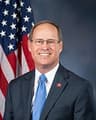 Gregory Murphy
Republican · North Carolina
 Sarah McBride
Democrat · Delaware
 Jefferson Van Drew
Republican · New Jersey