
A Democratic bill with 14 Democratic cosponsors · See all 14 cosponsors
Last activity — Referred to the House Committee on Education and Workforce.
In committee
Introduced and handed to a committee in the chamber it started in.
The committee holds it, and most bills are never heard from again. A hearing or a committee vote would be news; silence is the usual outcome, and it kills the bill without anyone voting against it.
Its path through Congress
- Introduced
- In Committee
What this bill would do
This bill is called the Fairness for Farm Workers Act. It amends the Fair Labor Standards Act of 1938 to provide increased labor law protections for agricultural workers. Specifically, the bill addresses overtime hours requirements and removes certain exemptions for agricultural work. It sets up phased-in timelines for overtime rules depending on the number of employees an agricultural employer has. The legislation was introduced in the House of Representatives on September 3, 2026.
Yes· 3 of 8
- Scored +8
Would households on low incomes be better off under this?
Significantly increases wages for farm workers through overtime pay.
- Scored +8
Would Hispanic Americans be better off under this?
Strongly benefits Hispanic workers who make up a large portion of the US farm workforce.
- Scored +7
Would immigrants be better off under this?
Extends crucial labor protections to migrant and seasonal workers.
The opposite· 3 of 4
- Scored -6
Would farmers be better off under this?
Imposes new costs and reduces exemptions for farm operators.
- Scored -5
Would business owners be better off under this?
Increases operational costs for farm owners due to overtime requirements.
- Scored -3
Does this make it easier to run a small business?
Increases labor costs for small farms through mandated overtime pay.
Who it would affect, and how
Potential Positive Impacts for People
- Section 2(a) requires employers to pay agricultural workers overtime compensation at a rate not less than one and one-half times their regular rate for hours worked beyond specified thresholds. This could benefit agricultural employees by ensuring extra pay for long workweeks.
Potential Negative Impacts for People
- Section 2(a) places caps on allowable work hours without overtime and gradually lowers the standard workweek threshold down to 40 hours for agricultural employees. This could create scheduling and labor cost burdens for agricultural employers as they adjust to paying overtime wages.
Groups and Interests Ranking
Every group the model scored this bill for, from -10 to +10. Tap or hover a score for the reason it gave.
- Demographic And Interest Groups
- Would Hispanic Americans be better off under this? — Strongly benefits Hispanic workers who make up a large portion of the US farm workforce. Would households on low incomes be better off under this? — Significantly increases wages for farm workers through overtime pay. Would immigrants be better off under this? — Extends crucial labor protections to migrant and seasonal workers. Would Black Americans be better off under this? — Positively impacts a demographic often represented in agricultural labor. Would people in rural areas be better off under this? — Mixed impact, but increases income for the rural labor force. Would farmers be better off under this? — Imposes new costs and reduces exemptions for farm operators. Would business owners be better off under this? — Increases operational costs for farm owners due to overtime requirements.
- Social Issues And Justice
- Is this likely to lift people out of poverty? — Increases income for low-wage farm workers through mandatory overtime pay. Does this narrow racial gaps in how people are treated? — Addresses historical labor discrimination against agricultural workers, who are disproportionately people of color.
- Economy And Finance
- Does this make it easier to run a small business? — Increases labor costs for small farms through mandated overtime pay.
- Governance And Ideology
- Does this give the federal government more power? — Expands federal labor standards into agricultural sectors previously exempt. Does this leave more decisions to the states? — Reduces state autonomy over agricultural labor regulation by imposing federal mandates.
- 10/1/2026
- 1 Cosponsor added.
- 9/21/2026
- 1 Cosponsor added.
- 9/15/2026
- 2 Cosponsors added.
- 9/10/2026
- 1 Cosponsor added.
- 9/4/2026
- 9 Cosponsors added.
- 9/3/2026
- Referred to the House Committee on Education and Workforce.
- Introduced in House
5 bills Congress.gov lists as related to this one — companions in the other chamber, earlier versions, and bills this one absorbed or was folded into.
 Alma Adams
Democrat · North Carolina
 Christopher Deluzio
Democrat · Pennsylvania
 Henry Johnson
Democrat · Georgia
 Pramila Jayapal
Democrat · Washington
 Ro Khanna
Democrat · California
 Zoe Lofgren
Democrat · California
 Eleanor Norton
Democrat · District of Columbia
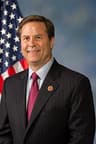 Donald Norcross
Democrat · New Jersey
 Alexandria Ocasio-Cortez
Democrat · New York
 Janice Schakowsky
Democrat · Illinois
 Mark Takano
Democrat · California
 Rashida Tlaib
Democrat · Michigan
 Maxine Waters
Democrat · California
 Frederica Wilson
Democrat · Florida