
Teresa Leger Fernandez (D-NM)
Recognizing the significance of equal pay and the disparity in wages paid to Latina women in comparison to White, non-Hispanic men.
A Democratic resolution with 33 Democratic cosponsors · See all 33 cosponsors
Last activity — Referred to the House Committee on Education and Workforce.
In committee
Introduced and handed to a committee in the chamber it started in.
The committee holds it, and most bills are never heard from again. A hearing or a committee vote would be news; silence is the usual outcome, and it kills the bill without anyone voting against it.
Its path through Congress
- Introduced
- In Committee
A concurrent resolution is how the House and the Senate settle something they do together, such as a budget plan or a joint session. It is adopted once both chambers agree to it, and that puts it into effect; it is not a law, so it does not go to the President.
What this bill would do
This concurrent resolution recognizes the wage disparity between Latina women and White, non-Hispanic men. It designates October 8, 2025, as "Latina Equal Pay Day" to observe this pay gap. The resolution highlights how various factors like race, gender, and geography affect earnings. It further notes the economic impacts of lost wages on families and the broader economy. Finally, the resolution aims to recognize the disparity and reaffirm support for closing the gender wage gap.
Yes· 3 of 11
- Scored +2
Would Hispanic Americans be better off under this?
The resolution specifically highlights and seeks to recognize the economic reality and pay gaps faced by Latinas.
- Scored +2
Would women be better off under this?
The resolution reaffirms support for ensuring equal pay and addressing the specific economic challenges women face.
- Scored +2
Does this narrow racial gaps in how people are treated?
The resolution calls for addressing the specific wage disparities faced by Latina women compared to White, non-Hispanic men.
The opposite
No question was scored the opposite.
Who it would affect, and how
Potential Positive Impacts for People
-
Recognition of Wage Disparity: The resolution recognizes the impact of wage disparities on women, families, and the economy (Resolution Section 1).
-
Support for Pay Equity: The resolution reaffirms support for ensuring equal pay and closing the gender wage gap (Resolution Section 2).
Potential Negative Impacts for People
- No negative impacts are explicitly stated in the text provided.
Groups and Interests Ranking
Every group the model scored this bill for, from -10 to +10. Tap or hover a score for the reason it gave.
- Demographic And Interest Groups
- Would Hispanic Americans be better off under this? — The resolution specifically highlights and seeks to recognize the economic reality and pay gaps faced by Latinas. Would women be better off under this? — The resolution reaffirms support for ensuring equal pay and addressing the specific economic challenges women face. Would households on low incomes be better off under this? — By drawing attention to wage disparities, the resolution supports the economic standing of low-income women. Would people with disabilities be better off under this? — The resolution highlights the specific wage gap experienced by disabled Latinas. Would people in rural areas be better off under this? — The bill notes the specific financial challenges and lower wages faced by Latinas in rural communities.
- Social Issues And Justice
- Does this narrow the gap between how men and women are treated? — The resolution reaffirms support for closing the gender wage gap and recognizing the impact of pay disparities on women. Does this narrow racial gaps in how people are treated? — The resolution calls for addressing the specific wage disparities faced by Latina women compared to White, non-Hispanic men. Does this make child care cost less? — The bill identifies a lack of access to affordable childcare as a factor contributing to the pay gap for Latinas. Is this likely to lift people out of poverty? — The resolution notes that the pay gap contributes to disparities in poverty levels faced by Latinas.
- Economy And Finance
- Does this raise the lowest wage an employer may pay? — The bill highlights that a majority of minimum wage workers are women, which draws attention to wage equity issues.
- Environment Energy And Infrastructure
- Does this invest in rural communities? — The bill notes that Latinas in rural communities face unique challenges and lower average wages.
- 10/21/2025
- 1 Cosponsor added.
- 10/10/2025
- 2 Cosponsors added.
- 10/8/2025
- Submitted in House
- Referred to the House Committee on Education and Workforce.
- 30 Cosponsors added.
One bill Congress.gov lists as related to this one — companions in the other chamber, earlier versions, and bills this one absorbed or was folded into.
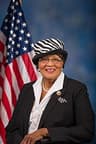 Alma Adams
Democrat · North Carolina
 Suzanne Bonamici
Democrat · Oregon
 Nanette Barragán
Democrat · California
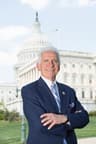 Jim Costa
Democrat · California
 Emanuel Cleaver
Democrat · Missouri
 Kathy Castor
Democrat · Florida
 André Carson
Democrat · Indiana
 Judy Chu
Democrat · California
 Joaquin Castro
Democrat · Texas
 J. Correa
Democrat · California
 Salud Carbajal
Democrat · California
 Jasmine Crockett
Democrat · Texas
 Rosa DeLauro
Democrat · Connecticut
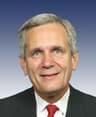 Lloyd Doggett
Democrat · Texas
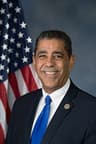 Adriano Espaillat
Democrat · New York
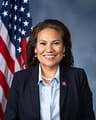 Veronica Escobar
Democrat · Texas
 Vicente Gonzalez
Democrat · Texas
 Jesús García
Democrat · Illinois
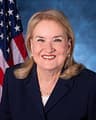 Sylvia Garcia
Democrat · Texas
 Pablo Hernández
Democrat · Puerto Rico
 Greg Landsman
Democrat · Ohio
 Gwen Moore
Democrat · Wisconsin
 Eleanor Norton
Democrat · District of Columbia
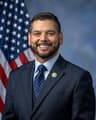 Raul Ruiz
Democrat · California
 Delia Ramirez
Democrat · Illinois
 Luz Rivas
Democrat · California
 Linda Sánchez
Democrat · California
 Andrea Salinas
Democrat · Oregon
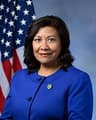 Norma Torres
Democrat · California
 Rashida Tlaib
Democrat · Michigan
 Derek Tran
Democrat · California
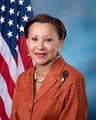 Nydia Velázquez
Democrat · New York
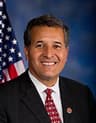 Juan Vargas
Democrat · California