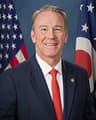
Jon Husted (R-OH)
Protecting American Workers Through H–1B Modernization Act.
A Republican bill with no cosponsors
Last activity — Read twice and referred to the Committee on the Judiciary.
In committee
Introduced and handed to a committee in the chamber it started in.
The committee holds it, and most bills are never heard from again. A hearing or a committee vote would be news; silence is the usual outcome, and it kills the bill without anyone voting against it.
Its path through Congress
- Introduced
- In Committee
What this bill would do
This bill is called the Protecting American Workers Through H-1B Modernization Act. It was introduced in the Senate on September 30, 2026. The bill aims to change the Immigration and Nationality Act. Specifically, it focuses on modernizing the required wage for exempt H-1B workers. Right now, the wage requirement is at least $60,000. The bill changes this specific wage amount.
Yes
- Scored +3
Would immigrants be better off under this?
The legislation updates the wage standard for exempt H-1B workers to reflect current national wage averages, ensuring higher compensation standards for qualifying workers.
- Scored +2
Does this make it easier for immigrants already here to become citizens?
By modernizing and raising the wage requirements for exempt H-1B workers, the bill seeks to protect domestic labor standards while continuing to regulate high-skilled immigration.
The opposite
- Scored -3
Would business owners be better off under this?
Tying H-1B exempt wage requirements to twice the national average wage index places a heavier financial burden on companies employing high-skilled immigrant labor.
Who it would affect, and how
Potential Positive Impacts for People
- Section 2 changes the wage requirement for exempt H-1B workers from at least $60,000 to not less than twice the national average wage index for the most recently calculated year. This could be seen as positive because it raises the pay standard for these workers based on current national averages, as outlined in Section 2 of the bill.
Potential Negative Impacts for People
- Section 2 updates the wage requirement to be tied to twice the national average wage index rather than a flat $60,000. While this raises wages, it could potentially place heavier financial burdens on employers or affect hiring practices, as stated in Section 2 of the text.
Groups and Interests Ranking
Every group the model scored this bill for, from -10 to +10. Tap or hover a score for the reason it gave.
- Social Issues And Justice
- Does this make it easier for immigrants already here to become citizens? — By modernizing and raising the wage requirements for exempt H-1B workers, the bill seeks to protect domestic labor standards while continuing to regulate high-skilled immigration.
- Demographic And Interest Groups
- Would immigrants be better off under this? — The legislation updates the wage standard for exempt H-1B workers to reflect current national wage averages, ensuring higher compensation standards for qualifying workers. Would business owners be better off under this? — Tying H-1B exempt wage requirements to twice the national average wage index places a heavier financial burden on companies employing high-skilled immigrant labor.
- 9/30/2026
- Read twice and referred to the Committee on the Judiciary.
- Introduced in Senate
One bill Congress.gov lists as related to this one — companions in the other chamber, earlier versions, and bills this one absorbed or was folded into.