
A Republican bill with 1 Republican cosponsor · See the cosponsor
Last activity — Read twice and referred to the Committee on Health, Education, Labor, and Pensions.
In committee
Introduced and handed to a committee in the chamber it started in.
The committee holds it, and most bills are never heard from again. A hearing or a committee vote would be news; silence is the usual outcome, and it kills the bill without anyone voting against it.
Its path through Congress
- Introduced
- In Committee
What this bill would do
This bill is called the Religious Education Fairness Act. It amends the Higher Education Act of 1965. The bill protects certain educational programs from losing title IV assistance due to low earning outcomes. Specifically, it applies to programs classified as Theology and Religious Vocations or Philosophy and Religious Studies. These programs must be located at educational institutions that qualify for the religious exemption under title IX of the Education Amendments of 1972.
Yes· 3 of 5
- Scored +5
Does this protect the freedom to practise a religion?
The bill protects theological and religious education programs at religiously exempt institutions from losing Title IV assistance due to low graduate earnings.
- Scored +4
Would students be better off under this?
Students enrolled in specific religious and theological programs are protected from losing federal financial aid eligibility.
- Scored +4
Does this reduce what student borrowers owe or repay?
The bill ensures students in theology and religious studies programs maintain access to federal student financial assistance.
The opposite
No question was scored the opposite.
Who it would affect, and how
Potential Positive Impacts for People
- Protection from Losing Student Aid: Section 2 of the bill adds paragraph (8) to protect specific educational programs from becoming ineligible for title IV assistance based on low earning outcomes. This could be positive because students attending these programs will not lose access to federal student aid simply because graduates earn lower incomes.
Potential Negative Impacts for People
- No Negative Impacts Identified: Based strictly on the provided text, there are no specific sections or provisions identified that create negative consequences or burdens for individuals or groups of people in the United States.
Groups and Interests Ranking
Every group the model scored this bill for, from -10 to +10. Tap or hover a score for the reason it gave.
- Demographic And Interest Groups
- Would students be better off under this? — Students enrolled in specific religious and theological programs are protected from losing federal financial aid eligibility. Would people in their twenties and thirties be better off under this? — Young adults pursuing theological and religious education will not lose access to federal student aid based on program earnings outcomes.
- Education And Technology
- Does this reduce what student borrowers owe or repay? — The bill ensures students in theology and religious studies programs maintain access to federal student financial assistance. Does this make it easier to use public money at a school other than the local one? — By protecting federal aid for religious educational programs, the bill supports continued educational choices at faith-based institutions.
- Social Issues And Justice
- Does this protect the freedom to practise a religion? — The bill protects theological and religious education programs at religiously exempt institutions from losing Title IV assistance due to low graduate earnings.
- 9/29/2026
- Read twice and referred to the Committee on Health, Education, Labor, and Pensions.
- 1 Cosponsor added.
- Introduced in Senate
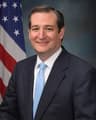 Ted Cruz
Republican · Texas