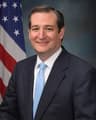
Ted Cruz (R-TX)
Right to Worship Act
A Republican bill with 1 Democratic cosponsor · See all 4 cosponsors
Last activity — Read twice and referred to the Committee on the Judiciary.
In committee
Introduced and handed to a committee in the chamber it started in.
The committee holds it, and most bills are never heard from again. A hearing or a committee vote would be news; silence is the usual outcome, and it kills the bill without anyone voting against it.
Its path through Congress
- Introduced
- In Committee
What this bill would do
This bill is known as the Right to Worship Act. It protects the free exercise of religion by making it unlawful to knowingly disrupt or impede scheduled religious services. The bill sets rules for conduct within 100 feet of a house of worship during specific time windows before and after a service. It establishes civil fines assessed by the Attorney General for violations of these rules. Additionally, the legislation allows for civil actions to be brought by aggrieved persons, the U.S. Attorney General, or State Attorneys General. Finally, the bill includes provisions for civil remedies, such as damages and injunctive relief.
Yes
- Scored +8
Does this protect the freedom to practise a religion?
The bill provides significant legal protections and civil remedies to ensure the free exercise of religion by preventing disruptions near houses of worship.
- Scored +3
Does this give the federal government more power?
The bill expands the ability of the U.S. Attorney General to initiate civil actions to protect religious exercise.
- Scored +2
Does this leave more decisions to the states?
The bill empowers State Attorneys General to take civil action on behalf of residents.
The opposite
- Scored -2
Does this protect what people are allowed to say in public life?
The bill imposes time, place, and manner restrictions on conduct near religious services which may impact certain forms of expression.
- Scored -2
Does this protect the individual right to speak freely?
The bill implements time, place, and manner restrictions on conduct near houses of worship.
Who it would affect, and how
Potential Positive Impacts for People
-
Protection from Disruption: Under Section 2(b)(1), the bill makes it unlawful for anyone to knowingly disrupt a scheduled religious service or impede people from participating within 100 feet of a house of worship. This could benefit individuals by ensuring they can attend religious services without substantial interruption or hindrance.
-
Right to Sue for Damages: Under Section 2(e)(1), any person aggrieved by a violation can commence a civil action in a U.S. district court for relief, including temporary or permanent injunctive relief, compensatory damages, punitive damages, and attorney's fees. Alternatively, plaintiffs can elect to recover statutory damages of $5,000 per violation. This provides individuals with a direct legal recourse if their rights are violated.
-
Government Enforcement: Under Section 2(e)(2) and Section 2(e)(3), both the U.S. Attorney General and State Attorneys General are authorized to commence civil actions if they have reasonable cause to believe people are injured or may be injured by violations. This brings government accountability and resources to bear in protecting individuals and the public interest.
Potential Negative Impacts for People
- Civil Fines for Violations: Under Section 2(d), individuals who violate the section will be assessed civil fines by the Attorney General. The fines are $2,500 for a first offense, $5,000 for a second offense, and $10,000 per occurrence for a third or subsequent offense. This creates a financial burden for anyone found in violation.
Groups and Interests Ranking
Every group the model scored this bill for, from -10 to +10. Tap or hover a score for the reason it gave.
- Social Issues And Justice
- Does this protect the freedom to practise a religion? — The bill provides significant legal protections and civil remedies to ensure the free exercise of religion by preventing disruptions near houses of worship. Does this protect what people are allowed to say in public life? — The bill imposes time, place, and manner restrictions on conduct near religious services which may impact certain forms of expression.
- Governance And Ideology
- Does this give the federal government more power? — The bill expands the ability of the U.S. Attorney General to initiate civil actions to protect religious exercise. Does this leave more decisions to the states? — The bill empowers State Attorneys General to take civil action on behalf of residents. Does this protect the individual right to speak freely? — The bill implements time, place, and manner restrictions on conduct near houses of worship.
- 11/9/2026
- 1 Cosponsor added.
- 9/28/2026
- 1 Cosponsor added.
- 9/22/2026
- 1 Cosponsor added.
- 8/6/2026
- Read twice and referred to the Committee on the Judiciary.
- 1 Cosponsor added.
- Introduced in Senate
One bill Congress.gov lists as related to this one — companions in the other chamber, earlier versions, and bills this one absorbed or was folded into.
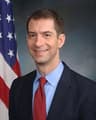 Tom Cotton
Republican · Arkansas
 Elissa Slotkin
Democrat · Michigan
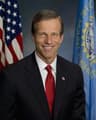 John Thune
Republican · South Dakota
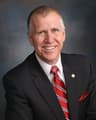 Thomas Tillis
Republican · North Carolina