
A Republican bill with 2 Democratic cosponsors · See all 8 cosponsors
Last activity — Read twice and referred to the Committee on Finance.
In committee
Introduced and handed to a committee in the chamber it started in.
The committee holds it, and most bills are never heard from again. A hearing or a committee vote would be news; silence is the usual outcome, and it kills the bill without anyone voting against it.
Its path through Congress
- Introduced
- In Committee
What this bill would do
The Rural Emergency Hospital Designation Improvement Act updates how rural emergency hospitals are designated and funded. It changes eligibility dates for conversion and allows the Secretary to waive certain requirements for facilities that operate similarly to rural emergency hospitals. The bill expands the types of units these hospitals can maintain, such as psychiatric, rehabilitation, and obstetric units. It also increases payments for certain diagnostic laboratory tests and allows for "swing beds" to provide extended care services. Additionally, it ensures these hospitals can access National Health Service Corps eligibility, specific grants, and Medicaid coverage.
Yes· 3 of 27
- Scored +10
Would people in rural areas be better off under this?
Directly targets and improves the viability and service offerings of rural emergency hospitals.
- Scored +9
Does this make health care easier to get in general?
Significantly expands the availability of emergency, obstetric, and rehabilitation services in rural areas.
- Scored +8
Would women be better off under this?
Specifically expands access to obstetric wings and labor and delivery units in rural areas.
The opposite· 3 of 4
- Scored -2
Does this reduce what the federal government owes?
Increased payments for lab tests and grant eligibility may increase federal spending.
- Scored -2
Does this reduce what the federal government spends?
The bill increases funding for lab tests and opens grant eligibility for more hospitals.
- Scored -1
Does this lower what a hospital stay costs?
The 5 percent increase in lab test payments may be passed to patients via copayments.
Who it would affect, and how
Potential Positive Impacts for People
-
Expanded Specialized Care: Hospitals can now include distinct units for inpatient psychiatric care, rehabilitation, and obstetric services like labor and delivery, which may increase access to these specific services in rural areas (Section 3).
-
Increased Healthcare Access: By allowing the Secretary to waive certain requirements for facilities that operate like rural emergency hospitals, more facilities may become eligible for this designation (Section 2(b)).
-
Support for Extended Care: The bill allows rural emergency hospitals to provide extended care services similar to skilled nursing facilities (Section 5).
-
Healthcare Workforce Support: Rural emergency hospitals will be deemed health professional shortage areas, making them eligible for the National Health Service Corps (Section 7).
-
Financial Support for Hospitals: Hospitals can now receive Small Rural Hospital Improvement Program grants (Section 8) and a 5 percent increase in payment for certain diagnostic laboratory tests to reflect higher costs (Section 4).
-
Expanded Insurance Coverage: Rural emergency hospital services and nursing facility services in distinct part units of these hospitals are now included under Medicaid (Section 9(a)).
Potential Negative Impacts for People
- Increased Costs: The 5 percent increase in payment for diagnostic laboratory tests includes the application of any copayment amount, which could affect the cost for the individual (Section 4(2)(B)).
Groups and Interests Ranking
Every group the model scored this bill for, from -10 to +10. Tap or hover a score for the reason it gave.
- Demographic And Interest Groups
- Would people in rural areas be better off under this? — Directly targets and improves the viability and service offerings of rural emergency hospitals. Would women be better off under this? — Specifically expands access to obstetric wings and labor and delivery units in rural areas. Would farmers be better off under this? — Directly benefits the primary population of rural areas through better healthcare access. Would households on low incomes be better off under this? — Ensures rural emergency hospital services are covered under Medicaid. Would retired people be better off under this? — Expanded extended care services and Medicaid coverage for nursing facility units. Would people over 65 be better off under this? — Allows for 'swing beds' providing extended care services similar to skilled nursing facilities. Would business owners be better off under this? — Provides critical funding and grants for rural hospital operators. Would Native Americans be better off under this? — Native American communities often rely heavily on rural healthcare infrastructure. Would people with disabilities be better off under this? — Increases access to inpatient rehabilitation facilities in rural areas. Would children be better off under this? — Expanded obstetric and labor and delivery units improve maternal and neonatal care in rural areas. Would middle-income households be better off under this? — Increases overall availability of specialized care in rural regions. Would men be better off under this? — Improved access to emergency and rehabilitation services. Would people in middle age be better off under this? — Increased access to rehabilitation and emergency services. Would people in their twenties and thirties be better off under this? — Improved access to mental health and obstetric services. Would high-income households be better off under this? — Improved healthcare infrastructure benefits all residents of rural areas.
- Healthcare
- Does this make health care easier to get in general? — Significantly expands the availability of emergency, obstetric, and rehabilitation services in rural areas. Does this make mental health care easier to get? — Allows rural emergency hospitals to maintain distinct units for inpatient psychiatric care. Does this put more money into Medicaid, the health coverage for people on low incomes? — Explicitly includes rural emergency hospital services under Medicaid coverage. Does this do more about addiction and overdose deaths? — Expansion of inpatient psychiatric units can support behavioral health and addiction treatment. Does this put more money into Medicare, the health coverage for people over 65? — Increases Medicare payments for diagnostic lab tests in rural emergency hospitals. Does this make the country readier for the next outbreak? — Strengthening rural hospital infrastructure improves overall public health response capacity. Does this lower what a hospital stay costs? — The 5 percent increase in lab test payments may be passed to patients via copayments.
- Environment Energy And Infrastructure
- Does this invest in rural communities? — Invests in and sustains critical healthcare infrastructure in rural communities.
- Economy And Finance
- Does this make it easier to run a small business? — Provides critical financial support and grant eligibility for small rural hospitals. Is this likely to create jobs? — Expanding hospital capabilities and funding likely encourages staffing increases in rural areas. Is this likely to grow the economy? — Investment in rural healthcare infrastructure supports local rural economies. Does this reduce what the federal government spends? — The bill increases funding for lab tests and opens grant eligibility for more hospitals. Does this reduce what the federal government owes? — Increased payments for lab tests and grant eligibility may increase federal spending. Does this make the government pay for what it commits to? — Increases government expenditures for healthcare services and grants.
- Social Issues And Justice
- Is this likely to lift people out of poverty? — Better healthcare access in rural areas helps reduce health-related poverty.
- Governance And Ideology
- Does this give the federal government more power? — Gives the Secretary of HHS authority to waive requirements and promulgate regulations.
- 11/10/2026
- 1 Cosponsor added.
- 9/14/2026
- 1 Cosponsor added.
- 7/29/2026
- Read twice and referred to the Committee on Finance.
- 6 Cosponsors added.
- Introduced in Senate
One bill Congress.gov lists as related to this one — companions in the other chamber, earlier versions, and bills this one absorbed or was folded into.
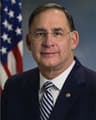 John Boozman
Republican · Arkansas
 Katie Britt
Republican · Alabama
 Shelley Capito
Republican · West Virginia
 Martin Heinrich
Democrat · New Mexico
 Cindy Hyde-Smith
Republican · Mississippi
 Roger Marshall
Republican · Kansas
 Tina Smith
Democrat · Minnesota
 Tommy Tuberville
Republican · Alabama