
Mark Warner (D-VA)
Safeguarding Against Fabricated Exploitation Through Artificial Intelligence Act of 2026
A Democratic bill with 1 Republican cosponsor · See the cosponsor
Last activity — Read twice and referred to the Committee on Homeland Security and Governmental Affairs.
In committee
Introduced and handed to a committee in the chamber it started in.
The committee holds it, and most bills are never heard from again. A hearing or a committee vote would be news; silence is the usual outcome, and it kills the bill without anyone voting against it.
Its path through Congress
- Introduced
- In Committee
What this bill would do
The Safeguarding Against Fabricated Exploitation Through Artificial Intelligence Act of 2026 seeks to prohibit the Federal Government from using or procuring certain artificial intelligence models. These "covered applications" are those that fail to meet specific standards regarding the generation of child pornography or non-consensual intimate imagery of adults. The bill directs NIST to establish performance benchmarks and a voluntary vendor test program to prevent such content. Federal agencies must remove these applications from their systems and undergo regular reviews to ensure compliance. Additionally, the act prohibits the manufacturing or sale of technology designed to bypass technical controls meant to prevent the generation of harmful content. It also establishes a private right of action for victims of these violations.
Yes· 3 of 9
- Scored +9
Would children be better off under this?
The bill provides strong protections against the generation and use of child pornography.
- Scored +7
Does this protect people from being watched or searched?
The bill significantly enhances privacy rights by providing legal recourse against the generation of non-consensual intimate images.
- Scored +7
Does this give people more protection from unfair business practices?
The bill provides strong consumer protection by establishing a private right of action and liability for developers of harmful AI content.
The opposite
- Scored -3
Would business owners be better off under this?
The bill may impose unexpected compliance and modification costs on AI developers and vendors.
- Scored -2
Does this protect what people are allowed to say in public life?
The bill includes specific language to prevent prior restraint but imposes significant restrictions on the use of certain AI technologies.
Who it would affect, and how
Potential Positive Impacts for People
-
Protection of Individuals from Harmful Content: The bill targets the generation of child pornography and non-consensual intimate visual depictions of adults, which can serve to protect individuals from being exploited through AI-generated imagery. (Section 2(a)(7))
-
Empowerment of Victims through Legal Recourse: The act provides a private right of action, allowing individuals whose images are used in child pornography or who are injured by developers failing to implement technical controls to sue in court. (Section 2(f)(2))
-
Financial Redress for Victims: Victims can seek actual damages, additional profits from violators, or statutory damages of $50,000 through the court system. (Section 2(f)(2)(C))
-
Prevention of Technical Subversion: By prohibiting the manufacture and sale of products designed specifically to bypass technical controls, the bill aims to prevent the circumvention of safeguards meant to stop the generation of harmful content. (Section 2(f)(1))
Potential Negative Impacts for People
-
Potential Burden on Vendors: Vendors may be required to modify their artificial intelligence models at their own cost to remove the "covered application" status and avoid being prohibited from use by Federal agencies. (Section 2(e))
-
Federal Agency Implementation Requirements: The bill mandates that heads of Federal agencies perform removals of applications, continuous evaluations of products, and may require the implementation of additional technical and compliance safeguards. (Section 2(c))
Groups and Interests Ranking
Every group the model scored this bill for, from -10 to +10. Tap or hover a score for the reason it gave.
- Governance And Ideology
- Does this protect people from being watched or searched? — The bill significantly enhances privacy rights by providing legal recourse against the generation of non-consensual intimate images. Does this give the federal government more power? — The bill expands federal authority by prohibiting agencies from using certain AI applications and establishing new NIST standards. Does this make what the government does easier for the public to see? — The bill mandates public certifications and congressional notifications regarding AI safety measures.
- Demographic And Interest Groups
- Would children be better off under this? — The bill provides strong protections against the generation and use of child pornography. Would women be better off under this? — The bill specifically addresses protections against non-consensual intimate imagery, which often impacts women. Would business owners be better off under this? — The bill may impose unexpected compliance and modification costs on AI developers and vendors.
- Education And Technology
- Does this put more rules on large technology companies? — The bill introduces new regulations and oversight for developers of artificial intelligence models to prevent misuse. Does this give people more control over their personal data? — The bill protects individual privacy by curbing the generation of non-consensual intimate imagery.
- Economy And Finance
- Does this give people more protection from unfair business practices? — The bill provides strong consumer protection by establishing a private right of action and liability for developers of harmful AI content.
- National Security And Foreign Policy
- Does this better protect the country from computer attacks? — The bill enhances security by targeting the circumvention of technical controls used to prevent harmful content generation.
- Social Issues And Justice
- Does this protect what people are allowed to say in public life? — The bill includes specific language to prevent prior restraint but imposes significant restrictions on the use of certain AI technologies.
- 8/7/2026
- 1 Cosponsor added.
- 7/21/2026
- Read twice and referred to the Committee on Homeland Security and Governmental Affairs.
- Introduced in Senate
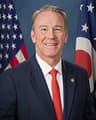 Jon Husted
Republican · Ohio