
A Republican bill with 9 Democratic cosponsors · See all 16 cosponsors
Last activity — Read twice and referred to the Committee on the Judiciary.
In committee
Introduced and handed to a committee in the chamber it started in.
The committee holds it, and most bills are never heard from again. A hearing or a committee vote would be news; silence is the usual outcome, and it kills the bill without anyone voting against it.
Its path through Congress
- Introduced
- In Committee
What this bill would do
The ECCHO Act aims to make the coercion of children to commit harm a criminal offense. It defines coercion to include actions like extortion, threats, fraud, and intimidation. The bill prohibits using these methods to force a minor to die by suicide, kill others, or harm animals and people through physical violence or arson. It also targets "covered acts" such as doxxing and swatting. Violators could face significant penalties, including life imprisonment for certain offenses. Finally, the act includes several updates to existing federal laws regarding child exploitation.
Yes· 3 of 33
- Scored +10
Would children be better off under this?
The bill creates significant criminal penalties to protect minors from coercion, suicide, and violence.
- Scored +5
Would students be better off under this?
The bill protects students from online harms like doxxing and swatting.
- Scored +5
Does this give people more control over their personal data?
The bill provides protections against doxxing, which involves the publication of personally identifiable information.
The opposite
- Scored -1
Does this change how police departments operate?
The bill increases criminal penalties and expands the scope of federal criminal offenses related to child exploitation.
Who it would affect, and how
Potential Positive Impacts for People
-
Protection from Self-Harm and Violence: Under Section 2(b)(1), the bill makes it illegal to coerce a minor to die by suicide or attempt to die by suicide. This provides a legal mechanism to prosecute those who drive children toward self-harm.
-
Protection of Life and Animals: Section 2(b)(2) and (3) prohibit the coercion of minors to kill or attempt to kill individuals, pets, emotional support animals, service animals, or horses. This protects both human life and the lives of animals from those using coercion.
-
Prevention of Digital Harassment: By defining "covered acts" in Section 2(a)(2), which includes doxxing and swatting, the bill targets specific online behaviors used to harass or intimidate individuals.
-
Safety from Physical Harm and Arson: Section 2(b)(4) prohibits the coercion of minors to commit arson or other criminal covered acts, adding a layer of protection against property damage and related crimes.
Potential Negative Impacts for People
-
Severe Criminal Penalties: Under Section 2(c)(1), any person who violates or attempts to violate the laws regarding suicide or killing can be fined and imprisoned for any term of years or life. This represents a very high level of punishment for those found guilty.
-
Significant Prison Terms for Other Acts: Section 2(c)(2) specifies that for other forms of coercion—such as harming animals or committing arson—offenders can face up to 30 years in prison.
Groups and Interests Ranking
Every group the model scored this bill for, from -10 to +10. Tap or hover a score for the reason it gave.
- Demographic And Interest Groups
- Would children be better off under this? — The bill creates significant criminal penalties to protect minors from coercion, suicide, and violence. Would students be better off under this? — The bill protects students from online harms like doxxing and swatting. Would Black Americans be better off under this? — The bill provides universal protections for all minors against coercion and harm. Would Asian Americans be better off under this? — The bill provides universal protections for all minors against coercion and harm. Would billionaires be better off under this? — The bill does not directly impact billionaires. Would business owners be better off under this? — The bill does not directly impact the operations of business owners. Would farmers be better off under this? — The bill does not directly impact the farming industry. Would gun owners be better off under this? — The bill does not directly regulate gun ownership. Would high-income households be better off under this? — The bill provides general safety protections for all children regardless of income. Would people with substantial wealth be better off under this? — The bill does not directly impact high-net-worth individuals. Would Hispanic Americans be better off under this? — The bill provides universal protections for all minors against coercion and harm. Would immigrants be better off under this? — The bill provides protections for all minors regardless of immigration status. Would LGBTQ people be better off under this? — The bill provides general protections for all minors against digital and physical harassment. Would households on low incomes be better off under this? — The bill provides general safety protections for all children regardless of income. Would men be better off under this? — The bill provides broad protections for children, including male children. Would people in middle age be better off under this? — The bill protects minors, which may indirectly benefit parents in this age group. Would middle-income households be better off under this? — The bill provides general safety protections for all children regardless of income. Would Native Americans be better off under this? — The bill provides universal protections for all minors against coercion and harm. Would people with disabilities be better off under this? — The bill provides general protections for all minors, including those with disabilities. Would retired people be better off under this? — The bill does not directly impact retirees. Would people in rural areas be better off under this? — The bill provides general protections for all minors regardless of residence. Would people over 65 be better off under this? — The bill's focus on child protection has a broad social benefit for all age groups. Would the very wealthiest people be better off under this? — The bill does not directly impact ultra-high-net-worth individuals. Would union members be better off under this? — The bill does not directly impact unionized workers. Would people in cities be better off under this? — The bill provides general protections for all minors regardless of residence. Would veterans be better off under this, taking everything together? — The bill does not specifically target or impact veterans. Would white Americans be better off under this? — The bill provides universal protections for all minors against coercion and harm. Would women be better off under this? — The bill provides broad protections for children, including female children. Would people in their twenties and thirties be better off under this? — The bill protects individuals under 18 from various forms of online and physical harm.
- Education And Technology
- Does this give people more control over their personal data? — The bill provides protections against doxxing, which involves the publication of personally identifiable information.
- Governance And Ideology
- Does this protect people from being watched or searched? — The bill combats doxxing to protect individuals from having their private information published for harassment.
- Social Issues And Justice
- Does this make child care cost less? — The bill does not directly affect childcare affordability but protects the safety of children. Does this expand the rights of people with disabilities? — The bill provides general criminal protections against coercion but does not specifically target disability rights. Does this change how police departments operate? — The bill increases criminal penalties and expands the scope of federal criminal offenses related to child exploitation.
- 6/10/2026
- 1 Cosponsor added.
- 6/1/2026
- 1 Cosponsor added.
- 5/21/2026
- 1 Cosponsor added.
- 4/15/2026
- 2 Cosponsors added.
- 3/9/2026
- 1 Cosponsor added.
- 3/4/2026
- 1 Cosponsor added.
- 3/2/2026
- 1 Cosponsor added.
- 2/26/2026
- 1 Cosponsor added.
- 2/11/2026
- 2 Cosponsors added.
- 12/17/2025
- 1 Cosponsor added.
- 12/9/2025
- Read twice and referred to the Committee on the Judiciary.
- 4 Cosponsors added.
- Introduced in Senate
One bill Congress.gov lists as related to this one — companions in the other chamber, earlier versions, and bills this one absorbed or was folded into.
 Marsha Blackburn
Republican · Tennessee
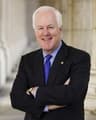 John Cornyn
Republican · Texas
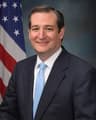 Ted Cruz
Republican · Texas
 Richard Durbin
Democrat · Illinois
 Lindsey Graham
Republican · South Carolina
 Kirsten Gillibrand
Democrat · New York
 Ruben Gallego
Democrat · Arizona
 Cindy Hyde-Smith
Republican · Mississippi
 Amy Klobuchar
Democrat · Minnesota
 Mark Kelly
Democrat · Arizona
 Angus King
Independent · Maine
 Ashley Moody
Republican · Florida
 Jon Ossoff
Democrat · Georgia
 Jacky Rosen
Democrat · Nevada
 Jeanne Shaheen
Democrat · New Hampshire
 Elissa Slotkin
Democrat · Michigan