
A Democratic bill with 2 Republican cosponsors · See all 3 cosponsors
Last activity — Read twice and referred to the Committee on Health, Education, Labor, and Pensions.
In committee
Introduced and handed to a committee in the chamber it started in.
The committee holds it, and most bills are never heard from again. A hearing or a committee vote would be news; silence is the usual outcome, and it kills the bill without anyone voting against it.
Its path through Congress
- Introduced
- In Committee
What this bill would do
The Supporting Apprenticeship Colleges Act of 2025 aims to fund institutions of higher education that sponsor registered apprenticeship programs in construction and manufacturing. It establishes a Community Outreach Grant Program to help these institutions reach out to students, parents, and local employers. Additionally, it creates a Student Support Grant Program to provide academic advising and various student services. These grants are intended to increase enrollment, retention, and completion rates for students in these specific fields. The bill authorizes specific funding amounts for each program through the fiscal year 2030.
Yes· 3 of 19
- Scored +7
Would students be better off under this?
The bill provides significant academic, career, and personal support services to students.
- Scored +6
Would people in their twenties and thirties be better off under this?
The bill targets high school students and apprenticeship seekers for career development.
- Scored +6
Would people in rural areas be better off under this?
The bill specifically targets outreach and employment in rural areas.
The opposite
No question was scored the opposite.
Who it would affect, and how
Potential Positive Impacts for People
-
Increased Student Awareness and Opportunity: The Community Outreach Grant Program allows institutions to educate high school students, parents, and faculty about the benefits of apprenticeship programs (Section 2(c)(1)).
-
Job Growth in Specific Areas: Outreach efforts are designed to build relationships with employers in rural, exurban, and suburban areas to help students find work in those locations (Section 2(c)(2)).
-
Support for Diverse Populations: The Secretary is directed to give priority to grants that target enrollment for rural, first-generation, minority, and underrepresented students (Section 2(e)).
-
Enhanced Academic Success: The Student Support Grant Program provides academic advising, such as career advising, mentoring, and support for English as a second language students, to help students finish their programs (Section 3(d)(2)(A)).
-
Expanded Student Well-being Services: Eligible entities can use funds for support services including childcare, mental health counseling, and substance abuse disorder services (Section 3(d)(2)(B)).
Potential Negative Impacts for People
- Reporting Burdens for Institutions: Entities receiving student support grants must submit detailed reports to the Secretary regarding student participation, progress toward goals, and effectiveness (Section 3(f)(1)).
Groups and Interests Ranking
Every group the model scored this bill for, from -10 to +10. Tap or hover a score for the reason it gave.
- Demographic And Interest Groups
- Would students be better off under this? — The bill provides significant academic, career, and personal support services to students. Would people in rural areas be better off under this? — The bill specifically targets outreach and employment in rural areas. Would people in their twenties and thirties be better off under this? — The bill targets high school students and apprenticeship seekers for career development. Would households on low incomes be better off under this? — The bill prioritizes first-generation and underrepresented students who may face economic barriers. Would Black Americans be better off under this? — The bill prioritizes minority students in its grant awarding criteria. Would business owners be better off under this? — The bill helps businesses in construction and manufacturing find trained workers. Would Hispanic Americans be better off under this? — The bill prioritizes minority students and provides support for English as a second language speakers. Would Native Americans be better off under this? — The bill prioritizes underrepresented and minority populations. Would immigrants be better off under this? — The bill provides support services for English as a second language students.
- Social Issues And Justice
- Does this narrow racial gaps in how people are treated? — The bill prioritizes outreach and enrollment for minority and underrepresented students. Does this make child care cost less? — The bill specifically authorizes the use of grant funds for childcare support services. Is this likely to lift people out of poverty? — By increasing access to specialized education and jobs, the bill supports pathways out of poverty.
- Economy And Finance
- Is this likely to create jobs? — The bill promotes job growth in construction and manufacturing through expanded apprenticeship programs. Is this likely to grow the economy? — By funding workforce development, the bill supports long-term economic growth in specific sectors.
- Healthcare
- Does this make mental health care easier to get? — The bill allows student support grants to be used for mental health counseling. Does this do more about addiction and overdose deaths? — The bill includes funding for substance abuse disorder services within student support programs.
- Environment Energy And Infrastructure
- Does this invest in rural communities? — The bill prioritizes outreach and employer relationships in rural areas.
- Education And Technology
- Does this make college cost less? — The bill provides support services that can lower the personal costs of completing a program.
- Governance And Ideology
- Does this give the federal government more power? — The bill increases federal oversight through grant-related application and reporting requirements.
- 10/22/2025
- 1 Cosponsor added.
- 6/11/2025
- Read twice and referred to the Committee on Health, Education, Labor, and Pensions.
- 2 Cosponsors added.
- Introduced in Senate
One bill Congress.gov lists as related to this one — companions in the other chamber, earlier versions, and bills this one absorbed or was folded into.
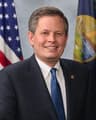 Steve Daines
Republican · Montana
 Amy Klobuchar
Democrat · Minnesota
 Tim Sheehy
Republican · Montana