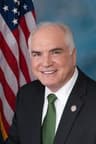
Mike Kelly (R-PA)
Expressing support for the designation of September 30, 2025, as "Rare Cancer Day" to highlight the challenges patients with rare cancers face and to raise awareness and support efforts to improve early diagnosis and treatment.
A Republican resolution with 3 Democratic cosponsors · See all 4 cosponsors
Last activity — Referred to the House Committee on Energy and Commerce.
In committee
Introduced and handed to a committee in the chamber it started in.
The committee holds it, and most bills are never heard from again. A hearing or a committee vote would be news; silence is the usual outcome, and it kills the bill without anyone voting against it.
Its path through Congress
- Introduced
- In Committee
A House resolution is the House speaking for itself: stating a position, honouring someone, or setting its own rules. Adopting it is the whole process. Once the House agrees to it, it is officially the House's word; it is not a law, so the Senate and the President have no part in it.
What this bill would do
H. Res. 732 expresses support for designating September 30, 2025, as "Rare Cancer Day." The goal is to highlight the challenges faced by patients with rare cancers. It aims to raise awareness to help improve early diagnosis and treatment. The resolution acknowledges that rare cancers have lower survival rates and limited treatment options compared to common cancers.
Yes· 3 of 28
- Scored +7
Would children be better off under this?
The bill explicitly notes that all pediatric cancers are rare and aims to improve their detection and treatment.
- Scored +6
Does this put more money into medical research?
Expresses support for the dedication of funding to explore cures and treatments for rare cancers.
- Scored +6
Does this put more money into scientific research?
Supports partnerships with scientific fields and funding for rare cancer treatments.
The opposite
No question was scored the opposite.
Who it would affect, and how
Potential Positive Impacts for People
- Increased Survival Rates: By supporting the increase of awareness for rare cancer symptoms, the bill aims to increase early detection and improve survival rates.
- Improved Medical Care: The resolution encourages partnerships with scientific and medical fields to improve early diagnosis and develop effective treatments to eradicate rare cancers.
- Financial Support for Research: The resolution supports the dedication of funding to explore treatments and cures for rare cancers.
Potential Negative Impacts for People
- No negative impacts for individuals or groups of people are mentioned in the provided text.
Groups and Interests Ranking
Every group the model scored this bill for, from -10 to +10. Tap or hover a score for the reason it gave.
- Demographic And Interest Groups
- Would children be better off under this? — The bill explicitly notes that all pediatric cancers are rare and aims to improve their detection and treatment. Would men be better off under this? — Increases awareness and treatment for rare cancers that may affect men. Would people in middle age be better off under this? — Increases awareness and treatment potential for rare cancers affecting this age group. Would retired people be better off under this? — Increases awareness and treatment for rare cancers common in older populations. Would people over 65 be better off under this? — Increases awareness and treatment potential for rare cancers affecting this age group. Would women be better off under this? — Increases awareness and treatment for rare cancers that may affect women. Would people in their twenties and thirties be better off under this? — Increases awareness and treatment potential for rare cancers affecting this age group. Would Black Americans be better off under this? — General medical research and awareness improvements benefit all racial groups. Would Asian Americans be better off under this? — General medical research and awareness improvements benefit all racial groups. Would billionaires be better off under this? — Improved early detection and funding for research generally benefit all income levels. Would high-income households be better off under this? — Improved early detection and funding for research generally benefit all income levels. Would people with substantial wealth be better off under this? — Improved early detection and funding for research generally benefit all income levels. Would Hispanic Americans be better off under this? — General medical research and awareness improvements benefit all racial groups. Would immigrants be better off under this? — General medical research and awareness improvements benefit this group. Would LGBTQ people be better off under this? — General medical research and awareness improvements benefit this community. Would households on low incomes be better off under this? — Improved early detection and funding for research generally benefit all income levels, including low income. Would middle-income households be better off under this? — Improved early detection and funding for research generally benefit all income levels. Would Native Americans be better off under this? — General medical research and awareness improvements benefit all racial groups. Would people with disabilities be better off under this? — General medical research and awareness improvements benefit people with chronic illnesses. Would people in rural areas be better off under this? — General medical research and awareness improvements benefit rural populations. Would students be better off under this? — General medical research and awareness improvements benefit students, especially those with pediatric rare cancers. Would the very wealthiest people be better off under this? — Improved early detection and funding for research generally benefit all income levels. Would people in cities be better off under this? — General medical research and awareness improvements benefit urban populations. Would veterans be better off under this, taking everything together? — General medical research and awareness improvements benefit this group. Would white Americans be better off under this? — General medical research and awareness improvements benefit all racial groups.
- Healthcare
- Does this put more money into medical research? — Expresses support for the dedication of funding to explore cures and treatments for rare cancers. Does this make health care easier to get in general? — Aims to improve early diagnosis and treatment of rare cancers.
- Education And Technology
- Does this put more money into scientific research? — Supports partnerships with scientific fields and funding for rare cancer treatments.
- 1/7/2026
- 1 Cosponsor added.
- 9/17/2025
- Submitted in House
- Referred to the House Committee on Energy and Commerce.
- 3 Cosponsors added.
 Debbie Dingell
Democrat · Michigan
 Brian Fitzpatrick
Republican · Pennsylvania
 Kristen McDonald Rivet
Democrat · Michigan
 Debbie Wasserman Schultz
Democrat · Florida