
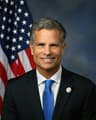
Bryan Steil (R-WI)
Supporting the designation of May 8, 2025, as "National Scam Survivor Day".
A Republican resolution with 1 Democratic cosponsor · See all 2 cosponsors
Last activity — Referred to the House Committee on Energy and Commerce.
In committee
Introduced and handed to a committee in the chamber it started in.
The committee holds it, and most bills are never heard from again. A hearing or a committee vote would be news; silence is the usual outcome, and it kills the bill without anyone voting against it.
Its path through Congress
- Introduced
- In Committee
A House resolution is the House speaking for itself: stating a position, honouring someone, or setting its own rules. Adopting it is the whole process. Once the House agrees to it, it is officially the House's word; it is not a law, so the Senate and the President have no part in it.
What this bill would do
H. Res. 397 is a resolution to support the designation of May 8, 2025, as "National Scam Survivor Day." It highlights the rising financial losses and new strategies used by scammers to target Americans, including the use of artificial intelligence. The resolution recognizes the impact of scams on citizens and businesses, specifically mentioning risks to veterans, seniors, and young adults. It encourages increased public awareness, better access to prevention resources, and a collaborative effort to support survivors. Finally, it supports law enforcement efforts to track and hold scammers accountable.
Yes· 3 of 17
- Scored +6
Would people over 65 be better off under this?
Explicitly identifies seniors as a high-risk group and promotes targeted prevention and resources.
- Scored +6
Would veterans be better off under this, taking everything together?
Explicitly identifies veterans as a target of scams and supports prevention efforts for them.
- Scored +6
Would retired people be better off under this?
Directly addresses the high vulnerability of seniors to scam attempts.
The opposite
No question was scored the opposite.
Who it would affect, and how
Potential Positive Impacts for People
-
Increased Awareness and Prevention: The resolution encourages increased public awareness of scams and strategies to prevent them, which may help consumers and business owners avoid losses. (Resolved section 2)
-
Reduced Stigma for Victims: By encouraging scam survivors to share their stories, the resolution aims to combat the stigma that might stop people from seeking assistance and guidance. (Resolved section 5)
-
Improved Resource Access: The resolution recognizes the importance of improving public access to scam prevention resources and improving existing resource toolkits. (Resolved sections 4 and 8)
-
Collaborative Support: It urges governmental, private, and nonprofit organizations to work together to support survivors and prevent future scams. (Resolved section 7)
-
Law Enforcement Support: The resolution supports the role of local and Federal law enforcement in addressing scams and holding scammers accountable. (Resolved sections 6 and 8)
Potential Negative Impacts for People
- There are no negative impacts or burdens for individuals explicitly mentioned in the provided text.
Groups and Interests Ranking
Every group the model scored this bill for, from -10 to +10. Tap or hover a score for the reason it gave.
- Demographic And Interest Groups
- Would retired people be better off under this? — Directly addresses the high vulnerability of seniors to scam attempts. Would people over 65 be better off under this? — Explicitly identifies seniors as a high-risk group and promotes targeted prevention and resources. Would veterans be better off under this, taking everything together? — Explicitly identifies veterans as a target of scams and supports prevention efforts for them. Would people in their twenties and thirties be better off under this? — The resolution explicitly recognizes that young adults are losing more money to scams than any other age group. Would business owners be better off under this? — Specifically mentions small business scams and encourages providing knowledge and tools to avoid them. Would households on low incomes be better off under this? — Financial scams are particularly devastating for low-income households; prevention resources provide critical protection. Would students be better off under this? — Young adults, including students, are highlighted as high-risk targets for employment and investment scams. Would billionaires be better off under this? — Provides tools and awareness to prevent financial loss. Would high-income households be better off under this? — Provides tools and awareness to prevent financial loss. Would people with substantial wealth be better off under this? — Provides tools and awareness to prevent financial loss. Would people in middle age be better off under this? — Provides general awareness and prevention tools for all adults. Would middle-income households be better off under this? — Provides tools and awareness to prevent financial loss. Would the very wealthiest people be better off under this? — Provides tools and awareness to prevent financial loss.
- Economy And Finance
- Does this give people more protection from unfair business practices? — The bill promotes public awareness and access to resources to prevent citizens from falling victim to financial scams. Does this make it easier to run a small business? — The resolution recognizes the impact of scams on businesses and encourages the provision of tools to help business owners avoid them.
- National Security And Foreign Policy
- Does this better protect the country from computer attacks? — The resolution addresses the use of AI and social media in scams, supporting efforts to track and halt these operations.
- Social Issues And Justice
- Is this likely to lift people out of poverty? — Preventing financial losses from scams helps protect the assets of low-income individuals.
- 5/7/2025
- Submitted in House
- Referred to the House Committee on Energy and Commerce.
- 2 Cosponsors added.
One bill Congress.gov lists as related to this one — companions in the other chamber, earlier versions, and bills this one absorbed or was folded into.
 Josh Harder
Democrat · California
 Daniel Meuser
Republican · Pennsylvania