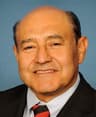
J. Correa (D-CA)
Remembering kindness in the United States and affirming our commitment to fostering community and building resiliency through every day acts of kindness.
A Democratic resolution with 15 Democratic cosponsors · See all 15 cosponsors
Last activity — Referred to the House Committee on Oversight and Government Reform.
In committee
Introduced and handed to a committee in the chamber it started in.
The committee holds it, and most bills are never heard from again. A hearing or a committee vote would be news; silence is the usual outcome, and it kills the bill without anyone voting against it.
Its path through Congress
- Introduced
- In Committee
A House resolution is the House speaking for itself: stating a position, honouring someone, or setting its own rules. Adopting it is the whole process. Once the House agrees to it, it is officially the House's word; it is not a law, so the Senate and the President have no part in it.
What this bill would do
H. Res. 1372 is a resolution that focuses on remembering and affirming a commitment to kindness in the United States. It describes kindness as doing something for others without expecting anything in return. The resolution states that kindness can connect people, build community, and improve health and mindfulness. It suggests that a culture of compassion can heal the country and help people work together across differences. The House of Representatives seeks to recognize kind actions and encourage a culture of being kind to one another.
Yes· 3 of 30
- Scored +1
Would children be better off under this?
Promotes a culture of kindness in schools and homes.
- Scored +1
Would people in their twenties and thirties be better off under this?
Promotes a culture of kindness and community building.
- Scored +1
Would people in middle age be better off under this?
Promotes a culture of kindness and community building.
The opposite
No question was scored the opposite.
Who it would affect, and how
Potential Positive Impacts for People
-
Health and Wellness: The bill notes that studies show kindness can improve health, mindfulness, self-compassion, and interpersonal conflict.
-
Community Building: The text states that kindness acts as the mortar for the social infrastructure of the United States and has the power to connect people and build community.
-
Nonpartisan Problem Solving: The resolution mentions that kindness can create strong bonds that allow individuals to tackle challenges facing the United States in a nonpartisan manner.
-
Societal Healing: It suggests that a culture of kindness and compassion can promote a healthier society and heal the country from within.
Potential Negative Impacts for People
- No negative impacts or burdens for individuals or groups are mentioned in the provided text.
Groups and Interests Ranking
Every group the model scored this bill for, from -10 to +10. Tap or hover a score for the reason it gave.
- Demographic And Interest Groups
- Would Black Americans be better off under this? — Aims to heal the country and build community across differences. Would Asian Americans be better off under this? — Aims to heal the country and build community across differences. Would billionaires be better off under this? — Encourages altruism and community support. Would business owners be better off under this? — Encourages kindness in businesses. Would children be better off under this? — Promotes a culture of kindness in schools and homes. Would farmers be better off under this? — Promotes a more compassionate society. Would gun owners be better off under this? — Promotes a more compassionate society. Would high-income households be better off under this? — Encourages altruism and community support. Would people with substantial wealth be better off under this? — Encourages altruism and community support. Would Hispanic Americans be better off under this? — Aims to heal the country and build community across differences. Would immigrants be better off under this? — Promotes acceptance and kindness toward others. Would LGBTQ people be better off under this? — Promotes acceptance and kindness toward others. Would households on low incomes be better off under this? — Encourages altruism and community support. Would men be better off under this? — Promotes a more compassionate society. Would people in middle age be better off under this? — Promotes a culture of kindness and community building. Would middle-income households be better off under this? — Encourages altruism and community support. Would Native Americans be better off under this? — Aims to heal the country and build community across differences. Would people with disabilities be better off under this? — Promotes acceptance and kindness toward others. Would retired people be better off under this? — Promotes a more compassionate society. Would people in rural areas be better off under this? — Promotes community building in rural neighborhoods. Would people over 65 be better off under this? — Promotes a culture of kindness and community building. Would students be better off under this? — Promotes a culture of kindness in schools. Would the very wealthiest people be better off under this? — Encourages altruism and community support. Would union members be better off under this? — Promotes a more compassionate society. Would people in cities be better off under this? — Promotes community building in cities. Would veterans be better off under this, taking everything together? — Promotes a more compassionate society. Would white Americans be better off under this? — Aims to heal the country and build community across differences. Would women be better off under this? — Promotes a more compassionate society. Would people in their twenties and thirties be better off under this? — Promotes a culture of kindness and community building.
- Healthcare
- Does this make mental health care easier to get? — The resolution notes that kindness can improve health and mindfulness.
- 6/23/2026
- 1 Cosponsor added.
- 6/18/2026
- Submitted in House
- Referred to the House Committee on Oversight and Government Reform.
- 14 Cosponsors added.
One bill Congress.gov lists as related to this one — companions in the other chamber, earlier versions, and bills this one absorbed or was folded into.
 Suzanne Bonamici
Democrat · Oregon
 Julia Brownley
Democrat · California
 Brendan Boyle
Democrat · Pennsylvania
 Jim Costa
Democrat · California
 Yvette Clarke
Democrat · New York
 André Carson
Democrat · Indiana
 Troy Carter
Democrat · Louisiana
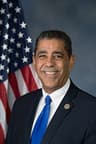 Adriano Espaillat
Democrat · New York
 Ted Lieu
Democrat · California
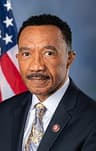 Kweisi Mfume
Democrat · Maryland
 Eleanor Norton
Democrat · District of Columbia
 Melanie Stansbury
Democrat · New Mexico
 Lori Trahan
Democrat · Massachusetts
 Shri Thanedar
Democrat · Michigan
 Frederica Wilson
Democrat · Florida