
Jill Tokuda (D-HI)
Expressing support for the designation of February 2025 as "Hawaiian Language Month" or "'Ōlelo Hawai'i Month".
A Democratic resolution with 2 Republican cosponsors · See all 5 cosponsors
Last activity — Referred to the House Committee on Education and Workforce.
In committee
Introduced and handed to a committee in the chamber it started in.
The committee holds it, and most bills are never heard from again. A hearing or a committee vote would be news; silence is the usual outcome, and it kills the bill without anyone voting against it.
Its path through Congress
- Introduced
- In Committee
A House resolution is the House speaking for itself: stating a position, honouring someone, or setting its own rules. Adopting it is the whole process. Once the House agrees to it, it is officially the House's word; it is not a law, so the Senate and the President have no part in it.
What this bill would do
This resolution expresses support for designating February 2025 as Hawaiian Language Month or Olelo Hawaii Month. It outlines the history of the Hawaiian language, from its early use and literacy to its near extinction following an 1896 school instruction ban. The text highlights a grassroots revitalization movement led by Native Hawaiians since the 1960s to bring the language back. It notes various policy reforms, including state recognition, the removal of the teaching ban, and federal actions like the Native American Languages Act. Finally, the House of Representatives commits to preserving and promoting the language and urges the American people to celebrate the month with appropriate activities.
Yes
- Scored +6
Would Native Americans be better off under this?
The resolution specifically aims to protect and promote the Hawaiian language, which is central to Native Hawaiian heritage.
- Scored +5
Does this narrow racial gaps in how people are treated?
The resolution supports the preservation and promotion of the Native Hawaiian language, which is a key part of their cultural identity and rights.
The opposite
No question was scored the opposite.
Who it would affect, and how
Potential Positive Impacts for People
-
Support for Hawaiian Language Designation: The House of Representatives supports designating February 2025 as Hawaiian Language Month or
Olelo Hawaii Month, which encourages the people of the United States and interested groups to celebrate with appropriate activities and programs to demonstrate support forOlelo Hawaii as outlined in the resolved section. This is positive because it brings national awareness and recognition to the Native language of Native Hawaiians. -
Commitment to Preservation: The House of Representatives commits to preserving, protecting, and promoting the use, practice, and development of
Olelo Hawaii in alignment with the Native American Languages Act as stated in the resolved section. This is positive as it aligns federal support with the rights and freedom of Native Americans to use and develop their native languages.
Potential Negative Impacts for People
- No Negative Impacts Identified: The provided text does not contain any sections or provisions that outline negative consequences, burdens, or negative impacts for individuals or groups of people in the United States.
Groups and Interests Ranking
Every group the model scored this bill for, from -10 to +10. Tap or hover a score for the reason it gave.
- Demographic And Interest Groups
- Would Native Americans be better off under this? — The resolution specifically aims to protect and promote the Hawaiian language, which is central to Native Hawaiian heritage.
- Social Issues And Justice
- Does this narrow racial gaps in how people are treated? — The resolution supports the preservation and promotion of the Native Hawaiian language, which is a key part of their cultural identity and rights.
- 2/25/2025
- 1 Cosponsor added.
- 2/14/2025
- 1 Cosponsor added.
- 2/13/2025
- Submitted in House
- Referred to the House Committee on Education and Workforce.
- 3 Cosponsors added.
2 bills Congress.gov lists as related to this one — companions in the other chamber, earlier versions, and bills this one absorbed or was folded into.
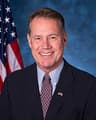 Ed Case
Democrat · Hawaii
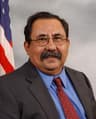 Raúl Grijalva
Democrat · Arizona
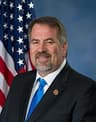 Doug LaMalfa
Republican · California
 Grace Meng
Democrat · New York
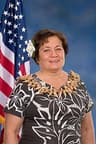 Aumua Amata Radewagen
Republican · American Samoa