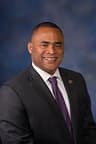
Marc Veasey (D-TX)
Expressing support for the designation of May 2026 as ''National Physical Fitness and Sports Month''.
A Democratic resolution with 1 Republican cosponsor · See all 5 cosponsors
Last activity — Referred to the House Committee on Energy and Commerce.
In committee
Introduced and handed to a committee in the chamber it started in.
The committee holds it, and most bills are never heard from again. A hearing or a committee vote would be news; silence is the usual outcome, and it kills the bill without anyone voting against it.
Its path through Congress
- Introduced
- In Committee
A House resolution is the House speaking for itself: stating a position, honouring someone, or setting its own rules. Adopting it is the whole process. Once the House agrees to it, it is officially the House's word; it is not a law, so the Senate and the President have no part in it.
What this bill would do
This resolution expresses support for designating May 2026 as ``National Physical Fitness and Sports Month''. It cites high obesity prevalence among various adult and child demographics in the United States. The text notes that unhealthy eating and lack of activity contribute to obesity and various health risks. It highlights the benefits of incorporating physical activity into daily life for both adults and children. Finally, the resolution supports educating the public on maintaining a healthy and nutritious lifestyle.
Yes· 3 of 16
- Scored +3
Would children be better off under this?
The bill emphasizes the importance of physical activity for children to prevent lifelong health problems.
- Scored +3
Would Black Americans be better off under this?
The bill targets obesity trends that disproportionately affect Black Americans.
- Scored +3
Would Hispanic Americans be better off under this?
The bill addresses high obesity prevalence among Hispanic populations.
The opposite
No question was scored the opposite.
Who it would affect, and how
Potential Positive Impacts for People
-
Designation of a specific month: Supporting the designation of ``National Physical Fitness and Sports Month'' provides a timeframe for focusing on health. (Section 1)
-
Educational efforts: Supporting efforts to educate the people of the United States on the importance of a healthy and nutritious lifestyle can help address the obesity epidemic and major health risks. (Section 2)
-
Health benefits of activity: The text notes that incorporating physical activity can help manage weight, strengthen bones and muscles, improve sleep quality, and improve brain health. (Whereas clauses)
-
Risk reduction: Physical activity is noted as a way to help reduce the risk of chronic conditions such as heart disease, type 2 diabetes, depression, anxiety, and dementia. (Whereas clauses)
Potential Negative Impacts for People
- No negative impacts are mentioned: The provided text contains no provisions or details that outline negative consequences or burdens for individuals or groups.
Groups and Interests Ranking
Every group the model scored this bill for, from -10 to +10. Tap or hover a score for the reason it gave.
- Demographic And Interest Groups
- Would Black Americans be better off under this? — The bill targets obesity trends that disproportionately affect Black Americans. Would children be better off under this? — The bill emphasizes the importance of physical activity for children to prevent lifelong health problems. Would Hispanic Americans be better off under this? — The bill addresses high obesity prevalence among Hispanic populations. Would Asian Americans be better off under this? — The promotion of fitness and nutrition benefits all ethnic groups mentioned in the text. Would high-income households be better off under this? — The health education and activity promotion benefit all economic tiers. Would households on low incomes be better off under this? — Addressing obesity can help mitigate health risks that often impact low-income demographics. Would men be better off under this? — The health and fitness education benefits men as part of the general population. Would people in middle age be better off under this? — Physical activity education targets adults to help manage weight and chronic disease risks. Would middle-income households be better off under this? — Promoting healthy lifestyles benefits the general population including middle-class families. Would people over 65 be better off under this? — The health benefits of activity mentioned assist in preventing age-related conditions like dementia. Would white Americans be better off under this? — The resolution provides health education that benefits white Americans. Would women be better off under this? — The health and fitness education benefits women as part of the general population. Would people in their twenties and thirties be better off under this? — Promoting fitness helps young adults establish healthy lifestyle habits.
- Healthcare
- Does this make health care easier to get in general? — The resolution supports public education on healthy lifestyles to mitigate chronic health risks. Does this do more about addiction and overdose deaths? — By promoting mental health benefits through physical activity, it indirectly supports mental well-being.
- Social Issues And Justice
- Does this narrow racial gaps in how people are treated? — The resolution addresses obesity disparities that disproportionately affect Black and Hispanic populations.
- 5/13/2026
- Submitted in House
- Referred to the House Committee on Energy and Commerce.
- 5 Cosponsors added.
One bill Congress.gov lists as related to this one — companions in the other chamber, earlier versions, and bills this one absorbed or was folded into.
 Don Bacon
Republican · Nebraska
 Nanette Barragán
Democrat · California
 Henry Johnson
Democrat · Georgia
 Eleanor Norton
Democrat · District of Columbia
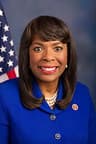 Terri Sewell
Democrat · Alabama