
Madeleine Dean (D-PA)
Recognizing the importance of sleep health and expressing support for the designation of the week of March 9 through March 13, 2026, as "Sleep Awareness Week".
A Democratic resolution with 1 Democratic cosponsor · See the cosponsor
Last activity — Referred to the House Committee on Energy and Commerce.
In committee
Introduced and handed to a committee in the chamber it started in.
The committee holds it, and most bills are never heard from again. A hearing or a committee vote would be news; silence is the usual outcome, and it kills the bill without anyone voting against it.
Its path through Congress
- Introduced
- In Committee
A House resolution is the House speaking for itself: stating a position, honouring someone, or setting its own rules. Adopting it is the whole process. Once the House agrees to it, it is officially the House's word; it is not a law, so the Senate and the President have no part in it.
What this bill would do
H. Res. 1158 is a resolution that recognizes the importance of sleep health for overall well-being and safety. It expresses support for designating the week of March 9 through March 13, 2026, as "Sleep Awareness Week." The resolution highlights risks associated with sleep deprivation and notes disparities in sleep quality for Black Americans. It encourages public health officials, healthcare providers, educators, and parents to promote adequate sleep. Finally, it urges the people of the United States to prioritize their sleep health and discuss it with healthcare providers.
Yes· 3 of 25
- Scored +4
Would Black Americans be better off under this?
Specifically recognizes the sleep health disparities affecting Black Americans.
- Scored +3
Would children be better off under this?
Encourages parents and educators to promote adequate sleep for children.
- Scored +3
Would people in their twenties and thirties be better off under this?
Promotes sleep health which is critical for development and general well-being.
The opposite
No question was scored the opposite.
Who it would affect, and how
Potential Positive Impacts for People
-
Promotion of General Health: By supporting "Sleep Awareness Week" and the promotion of evidence-based sleep health practices, the resolution aims to improve the general health of the public.
-
Encouragement of Professional Consultation: The resolution encourages people of the United States to discuss their sleep with their healthcare provider, which could lead to better personal health management.
-
Public Health Advocacy: The resolution encourages public health officials, healthcare providers, educators, and parents to promote adequate sleep, which can help people avoid risks like impaired memory, elevated stress, and increased risk of injury.
Potential Negative Impacts for People
- There are no negative consequences or burdens for individuals or groups of people explicitly mentioned in the text of this resolution.
Groups and Interests Ranking
Every group the model scored this bill for, from -10 to +10. Tap or hover a score for the reason it gave.
- Demographic And Interest Groups
- Would Black Americans be better off under this? — Specifically recognizes the sleep health disparities affecting Black Americans. Would children be better off under this? — Encourages parents and educators to promote adequate sleep for children. Would people in middle age be better off under this? — Promotes sleep health to reduce risk of chronic diseases like diabetes and heart disease. Would retired people be better off under this? — Promotes sleep health to prevent long-term health conditions in older age. Would people over 65 be better off under this? — Promotes sleep health to improve overall well-being and safety. Would students be better off under this? — Encourages educators to promote adequate sleep, which is vital for learning. Would people in their twenties and thirties be better off under this? — Promotes sleep health which is critical for development and general well-being. Would Asian Americans be better off under this? — General health promotion benefits all racial and ethnic groups. Would high-income households be better off under this? — Encourages better health practices for the general public. Would Hispanic Americans be better off under this? — General health promotion benefits all racial and ethnic groups. Would immigrants be better off under this? — General health promotion benefits all residents. Would LGBTQ people be better off under this? — General health promotion benefits all adults. Would households on low incomes be better off under this? — Promotes awareness of health disparities, particularly for marginalized groups. Would men be better off under this? — General health promotion benefits all adults. Would middle-income households be better off under this? — Encourages better health practices for the general public. Would Native Americans be better off under this? — General health promotion benefits all racial and ethnic groups. Would people with disabilities be better off under this? — General health promotion and awareness of health risks. Would people in rural areas be better off under this? — General health promotion benefits all residents. Would people in cities be better off under this? — General health promotion benefits all residents. Would veterans be better off under this, taking everything together? — General health promotion benefits all adults. Would white Americans be better off under this? — General health promotion benefits all racial and ethnic groups. Would women be better off under this? — General health promotion benefits all adults.
- Healthcare
- Does this make health care easier to get in general? — Encourages individuals to discuss sleep health with their healthcare providers. Does this make mental health care easier to get? — Recognizes the link between sleep and mental health conditions like depression and anxiety.
- Social Issues And Justice
- Does this narrow racial gaps in how people are treated? — Acknowledges the specific disparity in sleep quality and quantity experienced by Black Americans.
- 4/9/2026
- Submitted in House
- Referred to the House Committee on Energy and Commerce.
- 1 Cosponsor added.
One bill Congress.gov lists as related to this one — companions in the other chamber, earlier versions, and bills this one absorbed or was folded into.
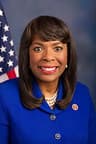 Terri Sewell
Democrat · Alabama