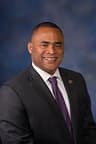
Marc Veasey (D-TX)
Expressing support for the designation of February 2026 as "Low Vision and Vision Impairment Awareness Month".
A Democratic resolution with 1 Republican cosponsor · See all 2 cosponsors
Last activity — Referred to the House Committee on Energy and Commerce.
In committee
Introduced and handed to a committee in the chamber it started in.
The committee holds it, and most bills are never heard from again. A hearing or a committee vote would be news; silence is the usual outcome, and it kills the bill without anyone voting against it.
Its path through Congress
- Introduced
- In Committee
A House resolution is the House speaking for itself: stating a position, honouring someone, or setting its own rules. Adopting it is the whole process. Once the House agrees to it, it is officially the House's word; it is not a law, so the Senate and the President have no part in it.
What this bill would do
This resolution expresses support for designating February 2026 as "Low Vision and Vision Impairment Awareness Month." It recognizes the significant impact that preventable vision impairment and blindness have on American independence, productivity, and healthcare costs. The resolution seeks to raise awareness regarding eye disease risks for working-age and aging adults. It also promotes access to information for parents and caregivers regarding a child's vision health and its impact on development. Finally, it encourages the Secretary of Health and Human Services to prioritize surveillance, research, and the dissemination of health information to help Americans protect their vision.
Yes· 3 of 16
- Scored +3
Would children be better off under this?
The resolution promotes vision health information for parents and caregivers of children.
- Scored +3
Would people over 65 be better off under this?
It emphasizes the importance of eye health for the aging American population.
- Scored +3
Would people with disabilities be better off under this?
The resolution focuses on awareness and support for those with vision impairments.
The opposite
No question was scored the opposite.
Who it would affect, and how
Potential Positive Impacts for People
-
Raising Awareness: The resolution expresses support for raising awareness about low vision and vision impairment, which can help people understand the risks associated with these conditions. (Resolution Section 1)
-
Improved Health Information for Adults: The bill supports access to relevant health information regarding eye disease risks for working-s age adults and aging Americans, particularly concerning chronic diseases. (Resolution Section 3)
-
Improved Health Information for Children: The resolution promotes access to information for parents, caregivers, and communities about how optimal vision affects a child's cognitive functioning, motor skills, and academic success. (Resolution Section 4)
-
Support for Disease Management and Research: The resolution encourages the Secretary of Health and Human Services to provide information on various eye diseases—such as cataracts and glaucoma—and to conduct additional research on treatments and support services. (Resolution Section 5, A and C)
-
Enhanced Disease Surveillance: The resolution affirms a commitment to encourage the Secretary of Health and Human Services to prioritize and conduct essential surveillance of vision loss and eye diseases through the Vision and Eye Health Surveillance System. (Resolution Section 5, B)
-
Community Engagement: The resolution encourages convening patients, caregivers, providers, and researchers to develop and share evidence-based tools and information to help Americans protect their vision. (Resolution Section 5, D)
Potential Negative Impacts for People
- No negative impacts are explicitly stated in the text.
Groups and Interests Ranking
Every group the model scored this bill for, from -10 to +10. Tap or hover a score for the reason it gave.
- Demographic And Interest Groups
- Would children be better off under this? — The resolution promotes vision health information for parents and caregivers of children. Would people with disabilities be better off under this? — The resolution focuses on awareness and support for those with vision impairments. Would people over 65 be better off under this? — It emphasizes the importance of eye health for the aging American population. Would Black Americans be better off under this? — The bill notes that non-Hispanic Black children have the highest rates of vision loss. Would households on low incomes be better off under this? — The resolution highlights the importance of screenings at community health centers for underserved populations. Would retired people be better off under this? — The resolution addresses age-related eye conditions prevalent in older populations. Would students be better off under this? — The bill emphasizes the connection between vision and academic success in children. Would business owners be better off under this? — It mentions the impact of vision loss on productivity and workforce participation. Would people in middle age be better off under this? — It addresses vision risks for working-age adults. Would middle-income households be better off under this? — It addresses productivity and healthcare costs related to vision loss. Would people in their twenties and thirties be better off under this? — It touches upon the vision needs of the working-age population.
- Healthcare
- Does this make health care easier to get in general? — The bill promotes better access to vision care through information dissemination and community screenings. Does this put more money into medical research? — The resolution encourages the Secretary of HHS to conduct additional research on eye diseases.
- Social Issues And Justice
- Does this expand the rights of people with disabilities? — By focusing on vision impairment awareness and research, it supports the needs of the visually impaired community. Does this narrow racial gaps in how people are treated? — The resolution highlights the disproportionate impact of vision loss on non-Hispanic Black children.
- Education And Technology
- Does this put more money into scientific research? — The resolution seeks to encourage additional research into eye diseases.
- 8/3/2026
- 1 Cosponsor added.
- 2/26/2026
- Submitted in House
- Referred to the House Committee on Energy and Commerce.
- 1 Cosponsor added.
 Gus Bilirakis
Republican · Florida
 Nikki Budzinski
Democrat · Illinois