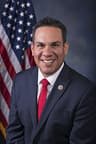
Pete Aguilar (D-CA)· Jan 3, 2025
H.Amdt. 1: Its purpose is not yet published.
Failed
By voice vote, no names recorded

Lisa McClain (R-MI)
A Republican resolution with no cosponsors
Last activity — Motion to reconsider laid on the table Agreed to without objection.
Adopted
The chamber formally agreed to it, and for a resolution that is the finish line: what it says is now officially the chamber's position, rule or tribute.
Nothing more is needed. A resolution is how a chamber speaks for itself or sets its own rules, so adopting it is what puts it into effect. It is not a law, so there is nothing for the President to sign.
Its path through Congress
A House resolution is the House speaking for itself: stating a position, honouring someone, or setting its own rules. Adopting it is the whole process. Once the House agrees to it, it is officially the House's word; it is not a law, so the Senate and the President have no part in it.
The House by voice vote (members called out yes or no together): no member's position on it was recorded.
This House Resolution officially chooses the officers for the House of Representatives for the 119th Congress. It names Kevin McCumber of Illinois as the Clerk of the House. It designates William McFarland of Maryland as the Sergeant-at-Arms. Finally, it appoints Catherine Szpindor of Virginia as the Chief Administrative Officer.
Every group the model scored this bill for, from -10 to +10. Tap or hover a score for the reason it gave.
No significant interests or groups are affected by this bill.
Pete Aguilar (D-CA)· Jan 3, 2025
Failed
By voice vote, no names recorded