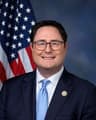
Mike Flood (R-NE)
Protecting Access to Spiritual Treatment and Organized Religion Act of 2026
A Republican bill with no cosponsors
Last activity — Referred to the Committee on Ways and Means, and in addition to the Committee on Energy and Commerce, for a period to be subsequently determined by the Speaker, in each case for consideration of such provisions as fall within the jurisdiction of the committee concerned.
In committee
Introduced and handed to a committee in the chamber it started in.
The committee holds it, and most bills are never heard from again. A hearing or a committee vote would be news; silence is the usual outcome, and it kills the bill without anyone voting against it.
Its path through Congress
- Introduced
- In Committee
What this bill would do
This bill, known as the "PASTOR Act of 2026," aims to amend title XVIII of the Social Security Act. It would require service providers to allow patients access to a member of clergy. This access must be granted upon the request of an individual receiving items and services. The requirement is set to begin on January 1, 2028. Clergy members must adhere to safety measures and protocols specified by the Secretary.
Yes· 3 of 7
- Scored +5
Does this protect the freedom to practise a religion?
The bill protects the right of individuals to have spiritual support during medical care.
- Scored +3
Would people over 65 be better off under this?
The bill benefits seniors by ensuring they can have designated clergy access while receiving Medicare services.
- Scored +3
Would retired people be better off under this?
The bill supports retirees by guaranteeing them the right to religious access during their medical care.
The opposite
No question was scored the opposite.
Who it would affect, and how
Potential Positive Impacts for People
-
Access to Spiritual Support: The bill would allow individuals receiving services to have access to a member of clergy designated by them, which could provide spiritual support during treatment. (Section 2, subparagraph Z)
-
Patient Autonomy: An individual receiving items and services can personally designate the specific member of clergy they wish to have access to them. (Section 2, subparagraph Z)
Potential Negative Impacts for People
- Compliance Requirements: Clergy members would be required to adhere to specific safety measures and other protocols as specified by the Secretary. (Section 2, subparagraph Z)
Groups and Interests Ranking
Every group the model scored this bill for, from -10 to +10. Tap or hover a score for the reason it gave.
- Demographic And Interest Groups
- Would retired people be better off under this? — The bill supports retirees by guaranteeing them the right to religious access during their medical care. Would people over 65 be better off under this? — The bill benefits seniors by ensuring they can have designated clergy access while receiving Medicare services. Would households on low incomes be better off under this? — The bill provides a benefit for individuals relying on public health services like Medicare. Would middle-income households be better off under this? — The bill provides a benefit for individuals relying on public health services like Medicare.
- Social Issues And Justice
- Does this protect the freedom to practise a religion? — The bill protects the right of individuals to have spiritual support during medical care.
- Healthcare
- Does this make health care easier to get in general? — The bill improves access to spiritual and religious support during medical treatment for Medicare beneficiaries. Does this put more money into Medicare, the health coverage for people over 65? — The bill expands the scope of services and rights covered under Medicare Title XVIII by ensuring patients can have access to clergy.
- 7/22/2026
- Referred to the Committee on Ways and Means, and in addition to the Committee on Energy and Commerce, for a period to be subsequently determined by the Speaker, in each case for consideration of such provisions as fall within the jurisdiction of the committee concerned.
- Introduced in House