
A Democratic bill with 2 Republican cosponsors · See all 9 cosponsors
Last activity — Referred to the House Committee on Ways and Means.
In committee
Introduced and handed to a committee in the chamber it started in.
The committee holds it, and most bills are never heard from again. A hearing or a committee vote would be news; silence is the usual outcome, and it kills the bill without anyone voting against it.
Its path through Congress
- Introduced
- In Committee
What this bill would do
This bill is called the Disabled Access Credit Modernization Act. It updates the Internal Revenue Code of 1986 regarding the disabled access credit. The changes allow small businesses to get credit for expenses that remove barriers for individuals with disabilities, provide interpreters, or acquire equipment. It also clarifies that spending can qualify even if it exceeds the requirements of the Americans with Disabilities Act of 1990 or if the taxpayer is not subject to those requirements. Additionally, the bill requires public outreach programs and a report to Congress. These amendments apply to amounts paid or incurred after December 31, 2026.
Yes· 3 of 6
- Scored +10
Would people with disabilities be better off under this?
Directly improves accessibility to businesses through enhanced credits for modifications and assistive services.
- Scored +9
Does this expand the rights of people with disabilities?
Significantly increases physical and communicative accessibility for individuals with disabilities in business settings.
- Scored +7
Would business owners be better off under this?
Provides tax relief for small business owners making accessibility upgrades.
The opposite
- Scored -1
Does this reduce what the federal government owes?
Expanding tax credits may slightly reduce federal tax revenue.
Who it would affect, and how
Potential Positive Impacts for People
-
Section 2(a)(1) modifies the code to allow expenditures for removing architectural, communication, physical, or transportation barriers, providing interpreters, providing readers, acquiring equipment, or providing reasonable accommodations. This is positive because it helps make businesses more accessible and usable by individuals with disabilities.
-
Section 2(a)(2) states that amounts paid shall not fail to be treated as reasonable or necessary on account of being in excess of applicable requirements under the Americans with Disabilities Act of 1990, or because the taxpayer is not subject to those requirements. This is positive because it encourages businesses to go above and beyond the minimum legal requirements to help people with disabilities without losing tax credit eligibility.
-
Section 2(e)(1) directs the Secretary of the Treasury, in consultation with the Administrator of the Small Business Administration and the Chairperson of the National Council on Disability, to carry out programs of public outreach. This is positive because it informs eligible small businesses and the Americans with Disabilities Act National Network about the availability of the credit.
Potential Negative Impacts for People
- The provided text does not contain any specific sections or provisions that outline negative consequences or burdens for individuals or groups of people in the United States.
Groups and Interests Ranking
Every group the model scored this bill for, from -10 to +10. Tap or hover a score for the reason it gave.
- Demographic And Interest Groups
- Would people with disabilities be better off under this? — Directly improves accessibility to businesses through enhanced credits for modifications and assistive services. Would business owners be better off under this? — Provides tax relief for small business owners making accessibility upgrades.
- Economy And Finance
- Does this make it easier to run a small business? — Provides expanded tax credits to help small businesses afford accessibility modifications. Does this cut taxes for small businesses? — Expands the eligibility and scope of the disabled access tax credit for small businesses. Is this likely to grow the economy? — Encourages small business investment in accessibility infrastructure. Does this reduce what the federal government owes? — Expanding tax credits may slightly reduce federal tax revenue.
- Social Issues And Justice
- Does this expand the rights of people with disabilities? — Significantly increases physical and communicative accessibility for individuals with disabilities in business settings.
- 10/22/2026
- 3 Cosponsors added.
- 9/24/2026
- 1 Cosponsor added.
- 9/15/2026
- 1 Cosponsor added.
- 9/14/2026
- 1 Cosponsor added.
- 9/3/2026
- 1 Cosponsor added.
- 9/1/2026
- 1 Cosponsor added.
- 7/21/2026
- Referred to the House Committee on Ways and Means.
- 1 Cosponsor added.
- Introduced in House
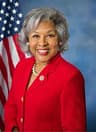 Joyce Beatty
Democrat · Ohio
 J. Correa
Democrat · California
 Bill Foster
Democrat · Illinois
 J. Hill
Republican · Arkansas
 Thomas Kean
Republican · New Jersey
 George Latimer
Democrat · New York
 Eleanor Norton
Democrat · District of Columbia
 Josh Riley
Democrat · New York
 Janice Schakowsky
Democrat · Illinois